

Underground Art Vaults and Freeports See Record Usage as Collectors Prioritize Privacy
By
John Carter
Last updated:
March 4, 2026
First Published:
March 4, 2026

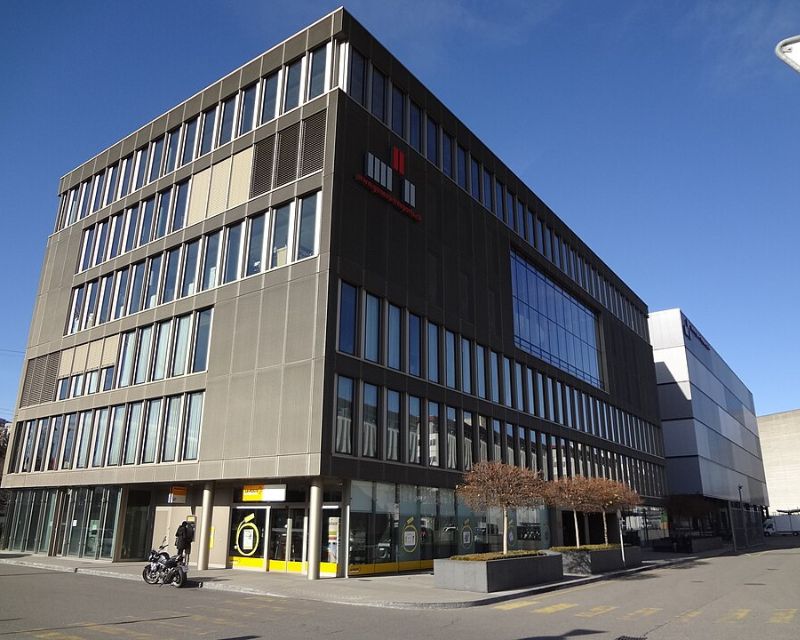
Photo: Citywealth
The Rise of Hidden Art Havens
As the global art market grows more competitive, ultra wealthy collectors are seeking privacy, security, and strategic flexibility in how they store their collections. Underground art vaults and freeports have emerged as preferred solutions, providing climate controlled, high security storage facilities often located near major financial centers. These spaces are no longer mere storage units—they are discreet financial instruments for the modern elite.
Strategic Advantages of Freeports
Freeports allow collectors to store art, antiques, and luxury assets without triggering immediate taxation or public disclosure. For ultra wealthy investors, this creates flexibility in timing sales, rotating exhibits, and transferring assets across borders. The legal frameworks surrounding freeports are increasingly sophisticated, attracting individuals who value both privacy and strategic control.
Climate Control and Preservation
Collectors invest heavily in environmental controls to preserve the condition and value of their assets. Advanced temperature and humidity monitoring, along with cutting edge fire suppression systems, ensure that even century old masterpieces remain intact. This attention to preservation reflects the long term perspective of high net worth individuals who treat art as both cultural legacy and financial asset.
Integration With Investment Strategies
Art and luxury collectibles are increasingly viewed as part of diversified portfolios. By utilizing freeports, collectors can manage liquidity events discreetly, engage in strategic acquisitions, and even use assets as collateral for private loans. These structures offer a blend of financial flexibility and aesthetic satisfaction, making them attractive for sophisticated wealth strategies.
Security as a Core Feature
Security is a paramount concern for collectors. Modern freeports incorporate biometric access, 24 hour surveillance, and secure transportation protocols. Many ultra wealthy clients prefer these facilities precisely because they reduce exposure to public attention, ensuring anonymity while safeguarding high value assets.
The Intersection of Art, Privacy, and Prestige
For high net worth individuals, owning significant works of art has always been a status marker. Freeports and private vaults now amplify this prestige by combining ownership with discretion. The ability to control access and visibility adds an additional layer of social and strategic advantage, reinforcing the notion that privacy itself is a luxury.
Global Demand and Expansion
Demand for freeport storage is surging in Europe, North America, and parts of Asia. Cities with strong financial infrastructure, favorable regulations, and proximity to auction houses are particularly attractive. The expansion of these facilities reflects the growing sophistication and international mobility of the ultra wealthy art market.
Technological Integration
Some advanced storage solutions integrate digital cataloguing, blockchain provenance tracking, and virtual viewing rooms. Collectors can monitor their holdings, share access with trusted advisors, and manage transactions remotely. These innovations enhance transparency and confidence while preserving the privacy that clients value most.
Ethical and Regulatory Considerations
While freeports offer benefits, they also raise ethical and regulatory questions regarding taxation and cultural patrimony. Leading collectors often work closely with legal and compliance teams to ensure adherence to laws while optimizing asset management. Responsible stewardship is becoming a defining feature of elite art ownership.
The Future of Elite Art Storage
As wealth continues to concentrate globally, the importance of privacy, security, and strategic asset management will only grow. Freeports and underground vaults provide solutions that combine all three. For ultra wealthy investors, these spaces represent more than storage—they are a reflection of foresight, discretion, and an understanding that true luxury often resides in control and access rather than public display.
Underground art vaults and freeports exemplify how the ultra wealthy are redefining asset ownership. By combining security, privacy, and strategic utility, collectors gain unprecedented control over their investments while preserving prestige and legacy. In a world where discretion increasingly defines influence, these hidden havens have become essential tools in the management of elite wealth.


Subscribe to unlock premium content
Sed at tellus, pharetra lacus, aenean risus non nisl ultricies commodo diam aliquet arcu enim eu leo porttitor habitasse adipiscing porttitor varius ultricies facilisis viverra lacus neque.
A comprehensive guide on Agile development

10 Productivity tools that are worth checking out
Top 7 Must have management tools for productivity

A comprehensive guide on Agile development
10 Productivity tools that are worth checking out
A comprehensive guide on Agile development