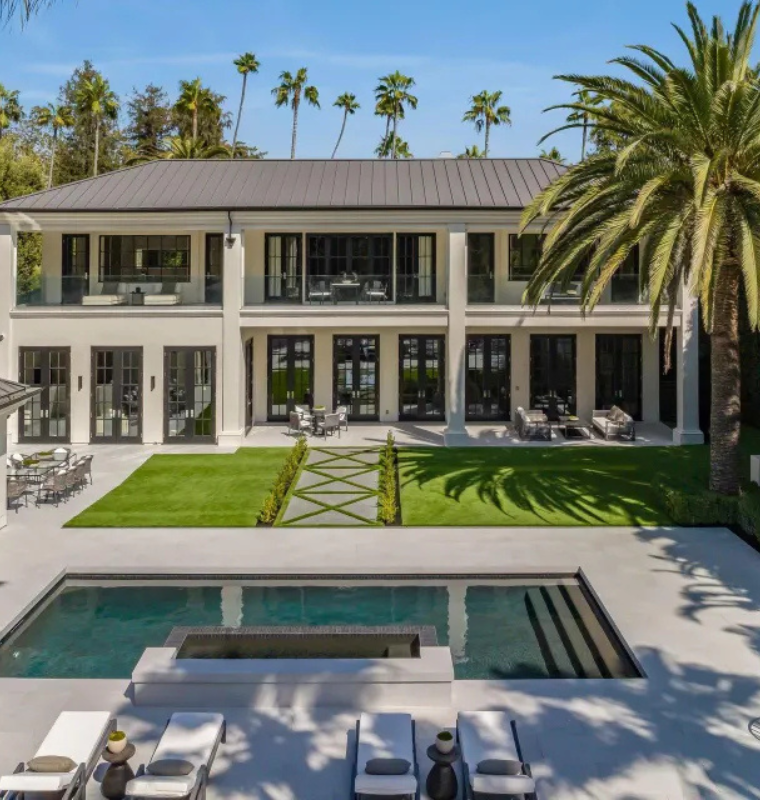

Wealth Migration Patterns Shift Toward Low Tax Coastal Economies in Southeast Asia and the Middle East
By
Sophie Moore
Last updated:
April 13, 2026
First Published:
April 25, 2026


Accelerating Movement of Global Wealth
A noticeable shift in wealth distribution is underway as high net worth individuals increasingly relocate capital and residency toward jurisdictions offering lower tax burdens and stronger lifestyle incentives. This migration is reshaping traditional financial hubs and redistributing economic influence across emerging coastal economies.
Rise of Competitive Tax Jurisdictions
Countries in Southeast Asia and the Middle East are enhancing their appeal through favorable tax structures, simplified residency programs, and investor friendly regulatory environments. These policy shifts are designed to attract long term capital inflows and entrepreneurial migration.
Lifestyle as a Primary Economic Driver
Modern wealth migration is no longer driven purely by tax efficiency. Affluent individuals are prioritizing climate, safety, infrastructure quality, healthcare access, and luxury living standards when selecting relocation destinations.
Expansion of Coastal Wealth Hubs
Coastal cities are emerging as dominant destinations for global wealth relocation. Their combination of international connectivity, premium real estate developments, and financial infrastructure is making them attractive alternatives to traditional Western financial centers.
Impact on Traditional Financial Capitals
Established financial hubs are experiencing slower growth in new high net worth residency applications. While these cities remain important for global finance, their relative dominance is being challenged by more flexible and tax efficient jurisdictions.
Surge in Investment Migration Programs
Governments are expanding structured investment migration programs that offer residency or citizenship in exchange for capital investment. These programs are becoming key tools in attracting long term wealth and entrepreneurial talent.
Real Estate Development Driven by Wealth Inflows
Luxury real estate development in emerging hubs is accelerating as developers respond to increased demand from relocating affluent populations. This includes waterfront properties, gated communities, and integrated lifestyle developments.
Growth of Private Banking and Offshore Services
Financial institutions in these regions are expanding private banking and wealth management services to support incoming clients. This includes cross border structuring, estate planning, and multi jurisdiction asset management solutions.
Strategic Reallocation of Global Capital
Wealth migration is not only a personal relocation trend but also a broader capital allocation strategy. Investors are restructuring portfolios to align with new residency jurisdictions, often shifting liquidity and investment exposure simultaneously.
Long Term Outlook for Wealth Geography
If current trends continue, global wealth distribution is likely to become more decentralized, with multiple emerging hubs competing with traditional centers. This will create a more fragmented but dynamic global financial landscape.



Subscribe to unlock premium content
Sed at tellus, pharetra lacus, aenean risus non nisl ultricies commodo diam aliquet arcu enim eu leo porttitor habitasse adipiscing porttitor varius ultricies facilisis viverra lacus neque.
A comprehensive guide on Agile development

10 Productivity tools that are worth checking out

Top 7 Must have management tools for productivity

A comprehensive guide on Agile development
10 Productivity tools that are worth checking out
A comprehensive guide on Agile development