
Why Affluent Households Are Spending More to Own Less
By
Sophie Moore
Last updated:
December 28, 2025
First Published:
December 28, 2025


Photo: Tiffany Woodfield
Introduction to a New Wealth Philosophy
A subtle but significant shift is occurring among affluent households. Wealth is no longer measured purely by the volume of possessions or size of estates. Increasingly, the ultra wealthy are spending more money to own less tangible assets and embrace flexibility. This trend reflects a new understanding of value, convenience, and lifestyle efficiency.
The Rise of Experiential Wealth
Experiences are replacing traditional luxury goods as a primary form of investment for the rich. Private travel, curated adventures, and exclusive cultural access now carry greater weight than additional properties or expansive collections. Wealth is being expressed through moments and memories rather than the accumulation of material goods.
Minimalism With a Premium
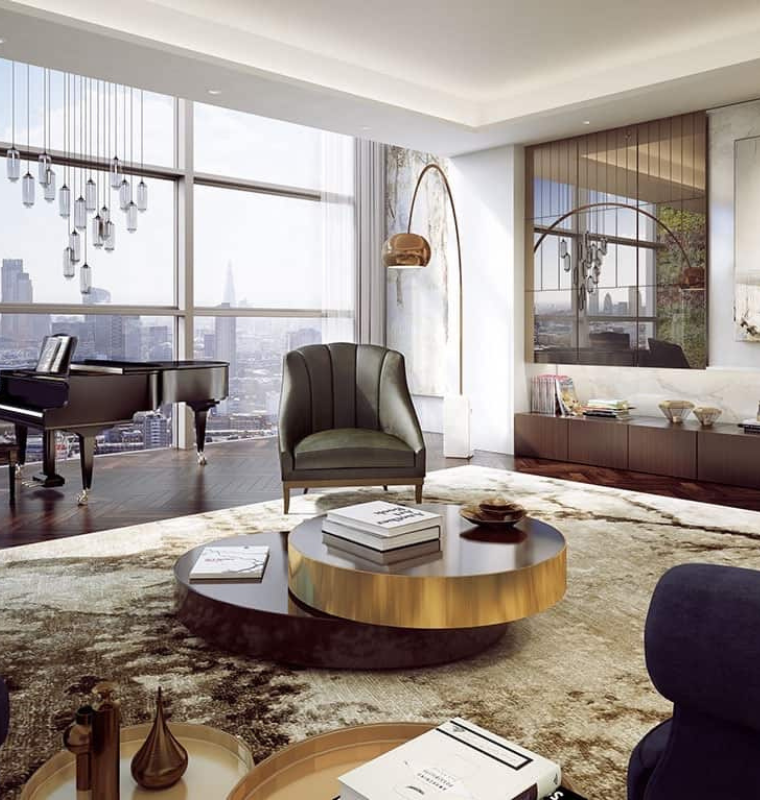
Affluent households are adopting minimalist principles, but with a twist. This is not about frugality; it is about selective ownership. Items that remain are highly curated and of exceptional quality. Ownership is optimized for convenience, aesthetics, and utility rather than quantity. The cost of each possession is often higher, but the overall lifestyle feels lighter and more controlled.
Flexibility Over Permanence
Liquid and transient forms of wealth are increasingly attractive. Luxury rentals, fractional ownership, and temporary residences allow the wealthy to enjoy high-end living without the constraints of permanent holdings. This flexibility enables global mobility, dynamic investment strategies, and alignment with personal goals that change over time.
The Role of Time as a Luxury
Time is treated as a scarce resource. Reducing the burden of managing numerous possessions frees time for work, relationships, and personal development. The wealthy are increasingly aware that efficiency and mental space are as valuable as financial capital. Spending to own less is, in essence, an investment in personal bandwidth.
Selective Investment in Assets
The remaining assets are often chosen for strategic purposes. Rare art, flagship properties, or vehicles may be held not only for their intrinsic value but also for network visibility, tax strategy, or cultural influence. Every purchase is intentional and evaluated for its contribution to a broader lifestyle strategy.
Technology and Modern Convenience
Digital platforms now allow seamless access to high-end services and possessions without permanent ownership. Car subscriptions, private membership clubs, and smart home automation reduce the need for accumulation. Technology enables the wealthy to maintain prestige while simplifying day-to-day life.
Environmental and Social Considerations
Many affluent households are also motivated by sustainability and social responsibility. Owning less reduces waste and carbon footprint. It allows participation in collective ownership models and socially conscious investments. Wealth is being aligned not just with personal comfort but with global impact.
Implications for Traditional Luxury Markets
This behavioral shift challenges traditional luxury industries. High-end brands must rethink their approach, focusing on services, experiences, and access rather than mass production. The wealthy now demand value that is intangible, curated, and adaptable to lifestyle changes.
Future Outlook for Affluent Lifestyles
Spending more to own less signals a fundamental evolution in wealth philosophy. Control, flexibility, and intentionality are replacing accumulation as status indicators. For readers of RichReflector, understanding this trend provides insight into how modern affluence is defined and how strategic choices shape lasting influence.
Closing Perspective
The modern wealthy household demonstrates that wealth is not simply about possessions but about freedom and intentionality. Spending to own less creates a lifestyle that is dynamic, efficient, and culturally relevant. Observing these shifts offers valuable lessons for anyone looking to align financial resources with meaningful living.



Subscribe to unlock premium content
Sed at tellus, pharetra lacus, aenean risus non nisl ultricies commodo diam aliquet arcu enim eu leo porttitor habitasse adipiscing porttitor varius ultricies facilisis viverra lacus neque.
A comprehensive guide on Agile development

10 Productivity tools that are worth checking out
Top 7 Must have management tools for productivity

A comprehensive guide on Agile development
10 Productivity tools that are worth checking out
A comprehensive guide on Agile development