
Art Collections Become Liquid Assets in Ultra High Net Worth Portfolios
By
Sophie Moore
Last updated:
December 25, 2025
First Published:
April 25, 2026

The Evolution of Art as an Investment
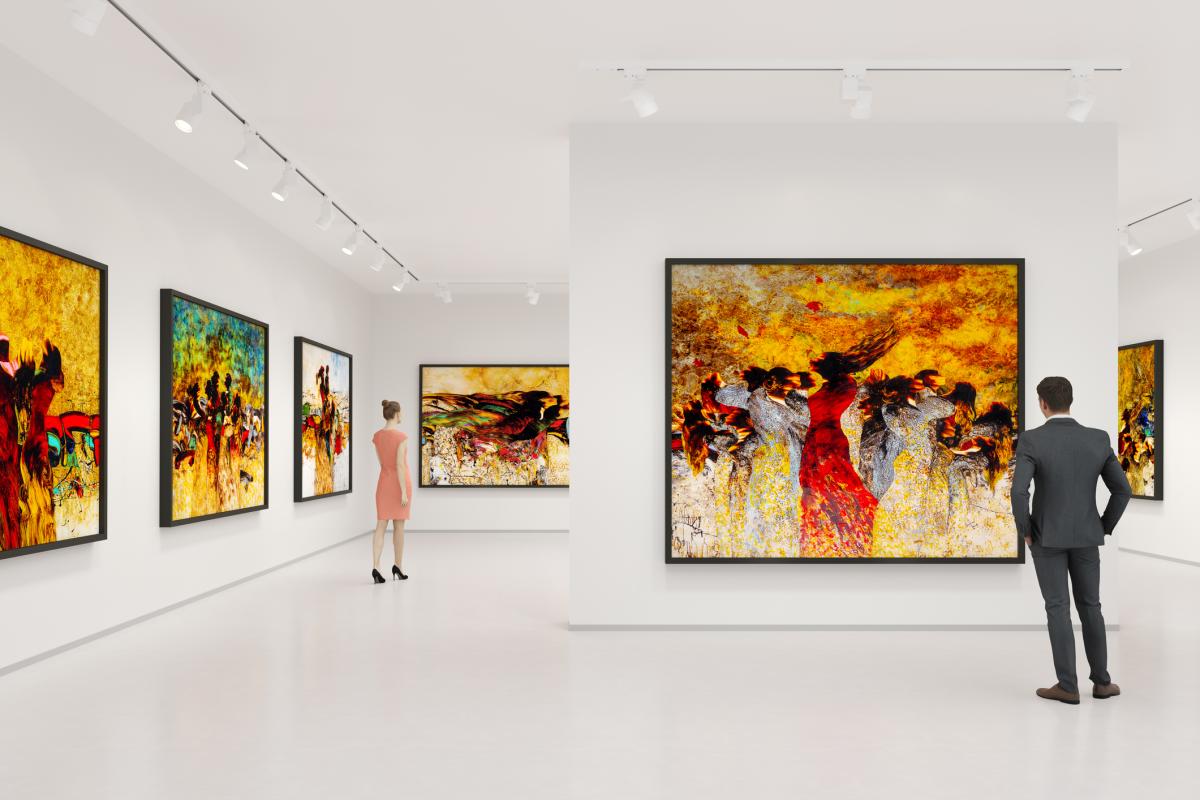
Art has long been a symbol of wealth, taste, and cultural sophistication. Traditionally, masterpieces hung in private estates, appreciated quietly over time, and were passed down through generations. In recent years, however, ultra high net worth individuals are redefining the role of art by transforming collections into liquid, strategically managed assets. This shift represents a new paradigm in wealth management, where aesthetic value intersects with financial strategy.
Art as a Diversification Tool
The ultra wealthy are increasingly turning to art to diversify their portfolios. Unlike stocks, bonds, or real estate, high-end art operates largely independently of conventional market fluctuations. The combination of scarcity, historical value, and cultural demand makes art a unique asset class. By integrating art into their wealth strategy, investors can reduce exposure to traditional financial volatility while enjoying the prestige associated with ownership.
Art as a Liquid Asset
Historically, art was considered illiquid due to the difficulty of selling high-value pieces quickly. Today, innovations in art finance, private sales networks, and online marketplaces allow collectors to unlock liquidity without losing value. Ultra high net worth investors can now leverage art holdings for loans, fractional ownership, or structured investment vehicles, making fine art a practical component of their overall portfolio.
The Rise of Art-Backed Financing
Art-backed lending has become a growing trend among the wealthy. Institutions now offer loans secured by high-value artworks, providing liquidity while allowing collectors to retain ownership. This approach allows billionaires to use their art collections as collateral for investments in other ventures, creating a dynamic feedback loop between cultural capital and financial growth.
Global Art Market Expansion
The international art market has expanded dramatically in recent years, with auctions, galleries, and online platforms enabling access to a wider audience. Ultra wealthy investors benefit from this globalization by acquiring pieces with potential for high appreciation, including works from emerging artists and previously undervalued regions. Geographic diversification enhances both the prestige and financial potential of collections.
Art as a Legacy Asset
For many wealthy families, art serves as a legacy asset that can be passed down through generations. Unlike cash or stock holdings, artwork carries cultural and historical significance, enhancing both family prestige and long-term wealth continuity. Strategic acquisition, careful curation, and thoughtful estate planning allow art to function as both a financial and emotional investment.
Private Networks and Exclusive Auctions
The ultra wealthy often rely on exclusive networks to access high-value art before it reaches public markets. Private auctions, direct gallery connections, and art advisors enable collectors to secure rare pieces and negotiate favorable terms. These channels provide both competitive advantage and security, reinforcing the position of art as a liquid yet exclusive asset.
Valuation and Risk Management
Valuing art requires specialized expertise. Wealthy collectors employ appraisers, historians, and financial analysts to assess potential appreciation and mitigate risks. Art investment involves careful consideration of provenance, market trends, and authenticity. By integrating professional oversight, investors can maximize returns while minimizing exposure to forgeries, market bubbles, or illiquidity.
The Emotional and Strategic Intersection
Art investment is unique because it blends emotional satisfaction with financial strategy. Collectors derive enjoyment, status, and intellectual fulfillment while simultaneously building an asset class that contributes to long-term wealth. This combination reinforces the appeal of art to ultra high net worth individuals seeking both tangible and intangible returns.
Technology and Art Liquidity
Digital platforms, blockchain, and tokenization have further increased art liquidity. Fractional ownership allows multiple investors to hold shares in high-value works, making previously inaccessible art more liquid and tradeable. For the ultra wealthy, these technological innovations provide new strategies to monetize collections while maintaining cultural influence.
Future Outlook: Art as a Mainstay in Wealth Strategy
Art will likely remain a core component of ultra high net worth portfolios as collectors continue to seek diversification, liquidity, and prestige. By treating collections as both cultural and financial assets, the wealthy can maintain legacy, influence, and strategic flexibility in a changing global market. The integration of technology, finance, and culture signals a new era where art is not just admired but actively leveraged as a cornerstone of wealth.



Subscribe to unlock premium content
Sed at tellus, pharetra lacus, aenean risus non nisl ultricies commodo diam aliquet arcu enim eu leo porttitor habitasse adipiscing porttitor varius ultricies facilisis viverra lacus neque.
A comprehensive guide on Agile development

10 Productivity tools that are worth checking out

Top 7 Must have management tools for productivity

A comprehensive guide on Agile development
10 Productivity tools that are worth checking out
A comprehensive guide on Agile development