
Art Investment Sees Renewed Momentum as Collectors Diversify Portfolios Beyond Traditional Markets
By
Sophie Moore
Last updated:
January 27, 2026
First Published:
January 27, 2026

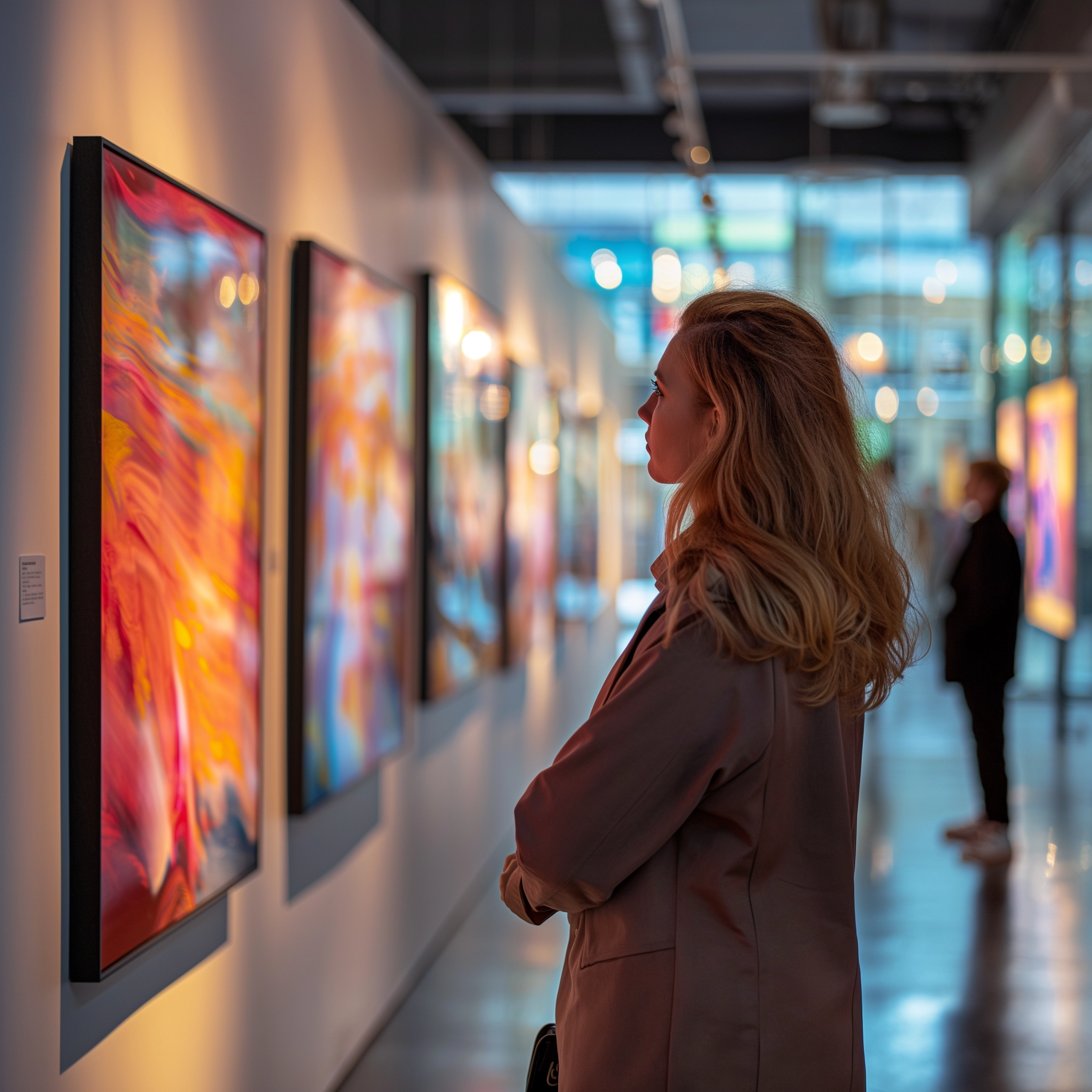
Photo: Brighton Business
Art as an Alternative Wealth Strategy
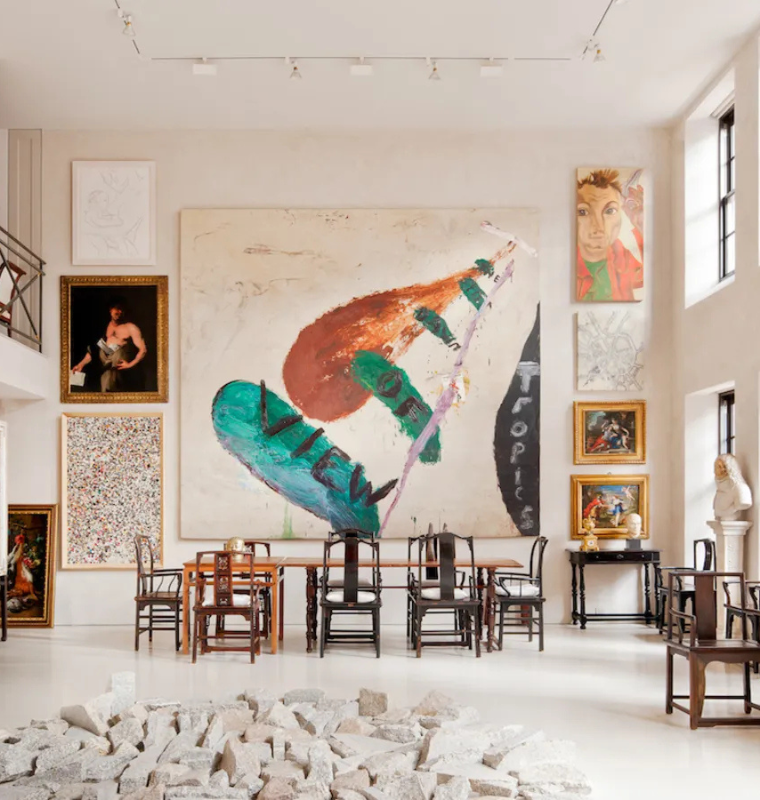
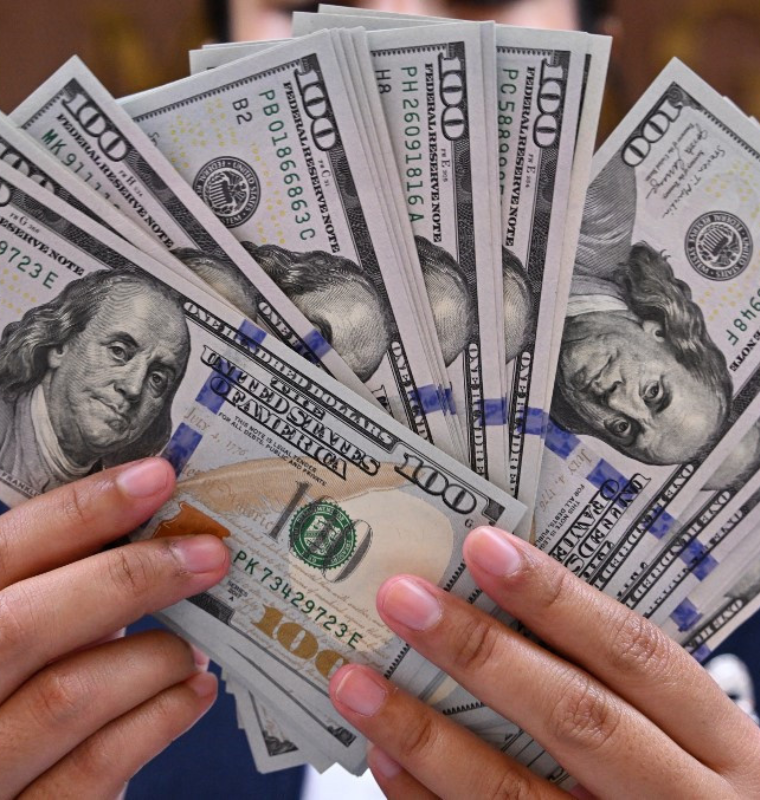
Art has increasingly become a tool for wealthy individuals seeking to diversify investments. Beyond stocks and real estate, fine art offers unique financial and aesthetic value. For collectors, each acquisition represents both a tangible asset and a cultural statement, blending personal passion with strategic portfolio growth.
Scarcity and Rarity Drive Appeal
The appeal of art investments lies in its rarity and exclusivity. Original works by renowned artists carry intrinsic value that is not easily replicated. Limited supply and historical significance make art an attractive hedge against inflation and traditional market volatility.
Global Market Growth Supports Investment Opportunities
The international art market continues to expand, offering high net worth buyers a broad range of opportunities. Auction houses galleries and private sales provide multiple channels for acquisition, allowing collectors to strategically navigate trends while accessing sought-after works worldwide.
Diversification Across Mediums and Eras
Investors are increasingly exploring diverse art forms, from classical painting and sculpture to contemporary pieces and digital art. This diversification allows portfolios to capture both historic value and emerging market potential. Collectors often combine traditional and modern works to balance aesthetic enjoyment with financial foresight.
Provenance and Authenticity as Critical Considerations
For elite collectors, the provenance and authenticity of an artwork are paramount. Verified history and certification not only protect investment value but also provide assurance of the piece’s cultural and financial legitimacy. Expert advisory services are frequently employed to guide acquisitions.
Emotional and Cultural Value Amplifies Interest
Beyond financial return, art provides emotional and cultural satisfaction. Owning significant works connects collectors to historical narratives, artistic movements, and global culture. This dual appeal strengthens the long-term attractiveness of art as a luxury asset.
Technology and Digital Art Influence Market Dynamics
Digital platforms and blockchain technology are transforming how art is bought, sold, and verified. NFTs and digital art collections have introduced new asset classes, allowing collectors to diversify and explore cutting-edge artistic expressions while maintaining exclusivity.
Philanthropy and Art as Social Influence
Many high net worth individuals leverage art ownership to enhance social status and philanthropic impact. Donations, sponsorship of exhibitions, and museum partnerships allow collectors to influence cultural preservation while reinforcing their societal presence.
Risk Management and Expert Advisory
Despite its appeal, art investment carries unique risks, including market fluctuations, authenticity issues, and liquidity concerns. Family offices and private advisors often provide specialized guidance to mitigate these risks and optimize portfolio performance.
The Future of Art in Wealth Management
As affluent individuals continue to seek novel ways to preserve and grow wealth, art will remain a central element of diversified investment strategies. Its combination of tangible value, cultural resonance, and exclusivity ensures that art continues to attract elite collectors worldwide.



Subscribe to unlock premium content
Sed at tellus, pharetra lacus, aenean risus non nisl ultricies commodo diam aliquet arcu enim eu leo porttitor habitasse adipiscing porttitor varius ultricies facilisis viverra lacus neque.
A comprehensive guide on Agile development

10 Productivity tools that are worth checking out

Top 7 Must have management tools for productivity

A comprehensive guide on Agile development
10 Productivity tools that are worth checking out
A comprehensive guide on Agile development