
Billionaire Collectors Compete for Fully Restored Royal Palaces Now Reimagined as Private Cultural Kingdoms
By
Sophie Moore
Last updated:
April 20, 2026
First Published:
April 20, 2026

The Revival of Royal Grandeur
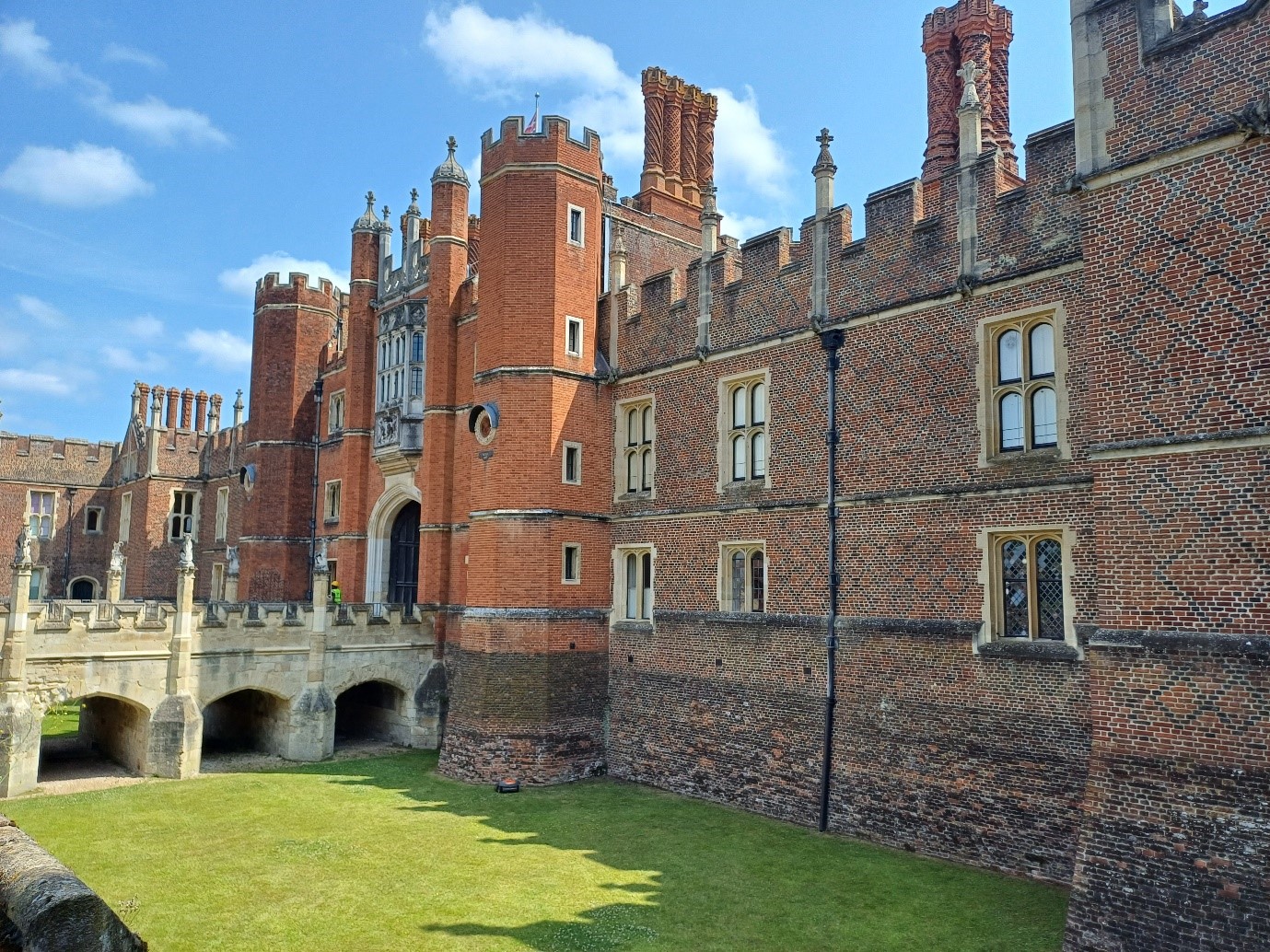
Across Europe, the Middle East, and select parts of Asia, a new kind of acquisition is capturing the attention of billionaire collectors. Fully restored royal palaces, once symbols of dynastic power, are being reimagined as private cultural kingdoms. These estates are not simply being preserved. They are being elevated into living environments where history, art, and modern luxury converge.
This trend reflects a growing desire among the ultra wealthy to own properties that embody narrative and prestige. A palace carries centuries of architectural brilliance, political history, and artistic achievement. By acquiring and restoring such estates, collectors position themselves as custodians of heritage rather than mere property owners.
From Historic Landmark to Personal Domain
The transformation of these palaces goes far beyond aesthetic restoration. Each estate is meticulously redesigned to function as a fully operational private world. Interiors are adapted to include grand galleries, performance halls, and curated exhibition spaces that rival public institutions.
Collectors are working with historians, architects, and curators to ensure that every detail respects the original character of the palace while integrating contemporary comforts. This balance between preservation and innovation is critical. It allows the estate to retain its authenticity while meeting the expectations of modern luxury living.
The result is a property that feels both timeless and personal. It becomes a domain where the past is not only remembered but actively experienced.
Art as the Core of Cultural Kingdoms
At the heart of these palatial transformations lies a deep commitment to art. Many collectors are using their estates to house extensive private collections that span centuries and continents. These collections often include rare paintings, sculptures, manuscripts, and artifacts that would typically reside in major museums.
Unlike traditional private galleries, these palace based collections are integrated into the living environment. Art is not confined to designated spaces. It flows through corridors, halls, and private chambers, creating a continuous dialogue between architecture and creativity.
In some cases, collectors are commissioning new works specifically designed for their estates. This adds a contemporary layer to the historical setting, ensuring that the palace remains a dynamic cultural space rather than a static monument.
The Rise of Private Cultural Sovereignty
Owning a palace has always been a symbol of power. Today, it represents something more nuanced. It signifies cultural sovereignty. Collectors are creating environments where they can curate experiences, host exclusive events, and shape artistic narratives according to their vision.
These estates often function as invitation only destinations. Guests may include artists, scholars, and influential figures from around the world. The palace becomes a hub for intellectual and creative exchange, operating outside the constraints of public institutions.
This level of control allows collectors to experiment with new forms of cultural expression. They can host exhibitions, performances, and discussions that might not be feasible in traditional settings. In doing so, they redefine the role of private ownership in the cultural landscape.
Architecture as a Living Experience
The architectural significance of these palaces cannot be overstated. Many of them feature intricate craftsmanship, grand proportions, and design elements that are rarely seen in modern construction. Restoration efforts aim to preserve these features while enhancing functionality.
Advanced technologies are discreetly integrated to support climate control, security, and sustainability. This ensures that the estate can operate efficiently without compromising its historical integrity. The challenge lies in making these upgrades invisible, allowing the original architecture to remain the focal point.
Walking through such a palace becomes an immersive experience. Every room tells a story, every detail reflects a moment in history, and every addition contributes to a narrative that continues to evolve.
The Financial and Strategic Dimension
Acquiring and restoring a royal palace requires significant investment. However, for billionaire collectors, the value extends beyond financial considerations. These estates are viewed as long term assets that combine tangible property with intangible cultural capital.
The rarity of such properties ensures that they remain highly desirable. Unlike conventional real estate, a palace cannot be replicated. Its uniqueness is tied to its history, location, and architectural identity. This makes it a powerful addition to any portfolio.
There is also a strategic element at play. Owning a cultural landmark enhances global influence and prestige. It positions the collector within a network of elite individuals who value heritage and legacy as much as wealth.
Crafting a Personal Legacy
For many collectors, the appeal of owning a palace lies in the opportunity to create a lasting legacy. These estates are designed to endure for generations, carrying the imprint of their current owner into the future.
By transforming a historic property into a cultural kingdom, collectors are effectively writing themselves into history. Their contributions to restoration, art, and cultural preservation become part of the estate’s narrative. This sense of permanence is a powerful motivator.
Families often view these properties as anchors for their identity. They serve as places where traditions are established, memories are created, and values are passed down. In this way, the palace becomes more than a residence. It becomes a symbol of continuity.
Challenges in Preservation and Adaptation
Despite their allure, these projects are complex and demanding. Restoration requires adherence to strict regulations, particularly when dealing with protected heritage sites. This can limit the extent of modifications and increase the time required for completion.
There is also the challenge of maintaining authenticity. Any alteration must be carefully considered to ensure that it aligns with the historical context of the property. This requires collaboration with experts across multiple disciplines.
Additionally, the ongoing maintenance of such estates is a significant undertaking. From structural preservation to staffing and operations, every aspect must be managed with precision. This level of commitment is part of what defines ownership at this tier.
A New Standard of Ultra Luxury Living
The emergence of private cultural kingdoms signals a shift in how luxury is defined. It is no longer sufficient to own multiple properties or high value assets. The emphasis is now on creating environments that offer depth, meaning, and exclusivity.
Palaces provide a canvas for this vision. They allow collectors to combine architecture, art, and personal expression in ways that are unmatched by modern developments. The scale and history of these estates elevate them into a category of their own.
This trend also reflects a broader movement toward experiential luxury. Owners are not just acquiring spaces. They are creating worlds that engage the senses and inspire those who enter them.
The Future of Cultural Ownership
As interest in these properties continues to grow, we can expect further innovation in how they are used and experienced. Advances in technology may enable new forms of interaction, from immersive exhibitions to digital archives that complement physical collections.
There may also be increased collaboration between private collectors and public institutions. This could allow for selective access to these cultural kingdoms, bridging the gap between exclusivity and public engagement.
Ultimately, the transformation of royal palaces into private domains represents a reimagining of ownership itself. It challenges traditional boundaries and opens new possibilities for how wealth can shape culture.
Billionaire collectors are redefining the meaning of luxury by investing in fully restored royal palaces that function as private cultural kingdoms. These estates combine history, art, and personal vision into environments that are both exclusive and deeply meaningful.
They stand as testaments to the enduring appeal of heritage and the evolving nature of wealth. In a world where luxury is constantly being redefined, these palaces offer something rare and enduring. They provide not just a place to live, but a legacy to be experienced and preserved for generations.


Subscribe to unlock premium content
Sed at tellus, pharetra lacus, aenean risus non nisl ultricies commodo diam aliquet arcu enim eu leo porttitor habitasse adipiscing porttitor varius ultricies facilisis viverra lacus neque.
A comprehensive guide on Agile development

10 Productivity tools that are worth checking out

Top 7 Must have management tools for productivity

A comprehensive guide on Agile development
10 Productivity tools that are worth checking out
A comprehensive guide on Agile development