

Centimillionaires Quietly Accumulate Agricultural Land as Global Food Security Becomes a Strategic Asset
By
John Carter
Last updated:
February 24, 2026
First Published:
April 25, 2026

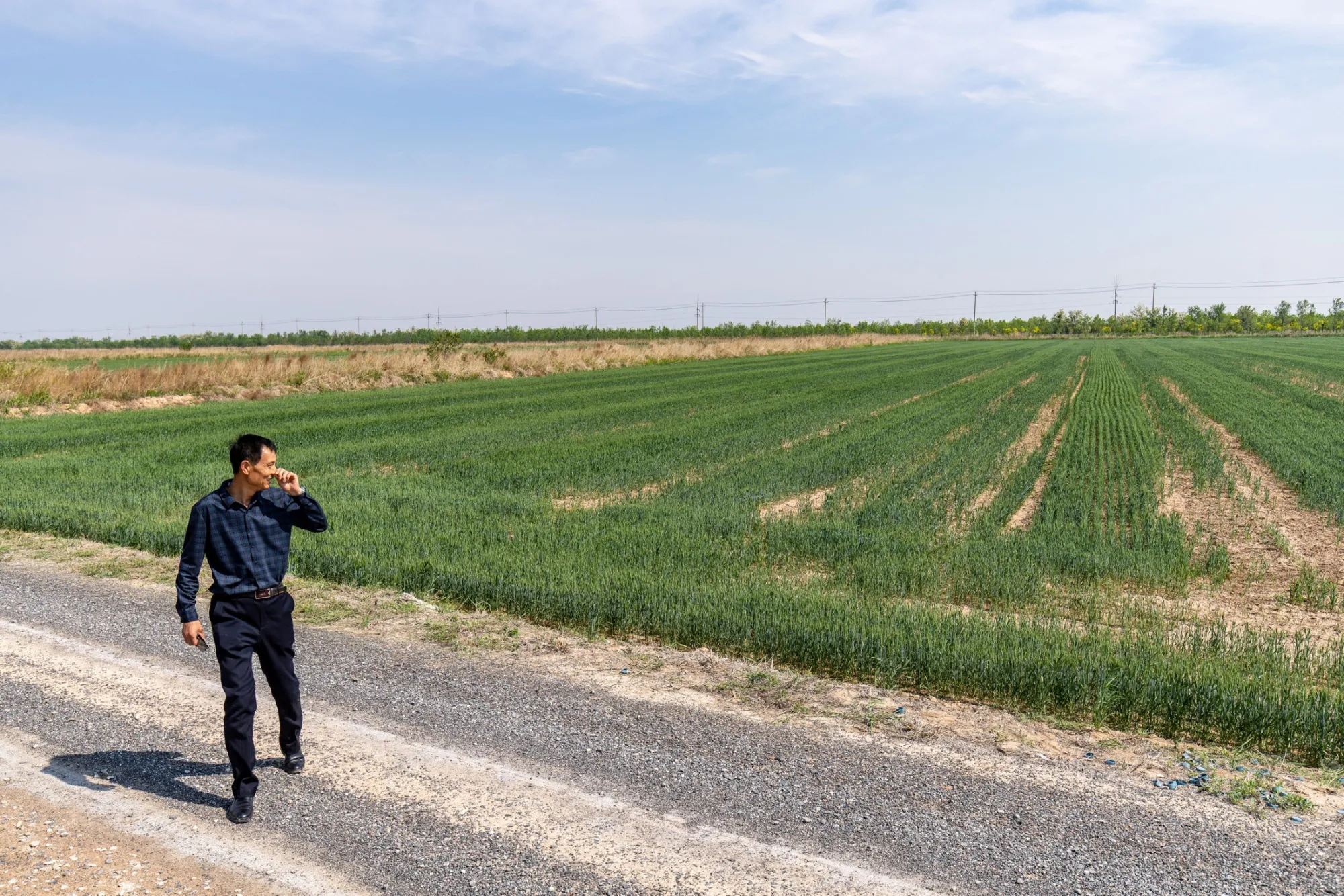
Photo: Bloomberg.com
The Strategic Shift Toward Tangible Sovereignty
In the uppermost tiers of private wealth, a quiet but decisive reallocation of capital is unfolding. Centimillionaires are increasingly directing funds into agricultural land, not for speculation but for strategic positioning. Unlike equities or urban real estate, farmland represents control over food production, water access, and biological output. In an era defined by supply chain fragility and climate volatility, this control has evolved into a form of modern sovereignty.
This movement is not driven by sentiment. It is grounded in a clear assessment of global risk. Food security is no longer viewed as a humanitarian discussion alone. It is becoming a core pillar of wealth preservation strategy. Investors who previously prioritized luxury towers and commercial districts are now studying soil quality, irrigation systems, and regional rainfall patterns with equal intensity.
Why Food Security Is Becoming an Asset Class
Rising populations, shifting climate patterns, and geopolitical tension have placed food production at the center of macroeconomic conversations. Agricultural commodities remain essential regardless of market cycles. When traditional assets experience volatility, demand for food does not decline. This structural resilience makes farmland distinct from many other alternative investments.
For centimillionaires seeking durability, agricultural land offers intrinsic value. Crops grow. Land appreciates. And well managed operations generate recurring income streams. Unlike highly financialized products, farmland produces something tangible and necessary. That necessity is what makes it strategically powerful.
Inflation Hedging Through Biological Yield
Inflation erodes purchasing power, particularly when monetary systems expand aggressively. Farmland historically demonstrates strong correlation with inflationary environments because crop prices often rise alongside broader cost increases. The biological yield of land creates natural pricing leverage.
When input costs rise, food prices adjust. When currency weakens, hard assets gain relative strength. For wealth managers overseeing large portfolios, agricultural holdings serve as a stabilizing counterweight to paper based assets. This dynamic becomes especially compelling during prolonged inflation cycles.
Geopolitical Realignment and Land Ownership
Global tensions have altered how investors evaluate risk. Trade restrictions, export bans, and regional conflicts can rapidly disrupt food supply chains. By owning productive land in politically stable jurisdictions, centimillionaires reduce exposure to external shocks.
Countries with strong property rights, predictable legal frameworks, and favorable agricultural climates are attracting significant private capital. Investors are not merely buying acreage. They are acquiring operational control within secure environments. The objective is not only profit but continuity.
Climate Adaptation as an Investment Filter
Climate variability has introduced new complexities into agriculture. Rainfall patterns shift. Droughts intensify. Flooding becomes more unpredictable. As a result, elite investors conduct advanced environmental assessments before deploying capital.
Properties with access to sustainable water sources, regenerative soil practices, and climate resilient crop profiles command premium valuations. Sophisticated buyers are integrating agronomic data, satellite monitoring, and predictive modeling into their acquisition process. Farmland is no longer purchased solely on location. It is evaluated on long term environmental adaptability.
Operational Excellence Over Passive Ownership
Unlike luxury apartments that may sit vacant as wealth stores, farmland requires expertise. The most successful centimillionaire investors partner with experienced farm operators, agronomists, and supply chain specialists. Productivity depends on management precision.
Many are adopting vertically integrated models, controlling production, storage, and distribution. This integrated structure increases margins while reducing dependency on volatile intermediaries. Agricultural land becomes not just a passive holding but a functioning enterprise within a broader wealth ecosystem.
Diversification Beyond Traditional Portfolios
Family offices traditionally allocated capital across equities, bonds, private equity, and prime real estate. Agricultural land now complements these allocations by adding low correlation exposure. Its performance drivers differ fundamentally from technology stocks or urban rental yields.
This diversification strengthens overall portfolio resilience. When financial markets experience sharp corrections, farmland valuations often remain stable. Biological production cycles operate on seasonal rhythms rather than daily trading sentiment. That structural independence enhances its appeal among disciplined capital allocators.
Legacy Planning and Intergenerational Wealth
Agricultural estates carry symbolic and practical value for dynastic planning. Unlike abstract financial instruments, land can be transferred across generations with continuity of purpose. It produces income, supports communities, and anchors family legacy.
For heirs, farmland ownership introduces stewardship responsibilities that align with long term thinking. Many centimillionaire families integrate sustainability mandates into their agricultural investments, reinforcing both ethical positioning and asset durability.
The Luxury of Stability in an Unstable World
In high net worth circles, luxury is increasingly defined by stability rather than excess. Control over essential resources provides a sense of security that luxury yachts or penthouses cannot replicate. Agricultural land represents quiet power.
This asset class does not attract the same public attention as trophy properties or rare collectibles. Yet within private investment forums, farmland discussions are becoming more frequent and more detailed. The strategic calculus is clear. Control over food production equates to influence and resilience.
A Long Horizon Capital Thesis
Agricultural land demands patience. Crop cycles unfold annually. Soil improvements require years. Water infrastructure investments compound gradually. However, centimillionaires are uniquely positioned to adopt long horizon strategies without liquidity pressure.
By aligning capital with biological productivity and global necessity, they are constructing portfolios that anticipate structural change rather than react to short term volatility. As food security continues to move from policy debate to economic priority, agricultural land is likely to remain a cornerstone of strategic wealth positioning.




Subscribe to unlock premium content
Sed at tellus, pharetra lacus, aenean risus non nisl ultricies commodo diam aliquet arcu enim eu leo porttitor habitasse adipiscing porttitor varius ultricies facilisis viverra lacus neque.
A comprehensive guide on Agile development

10 Productivity tools that are worth checking out

Top 7 Must have management tools for productivity

A comprehensive guide on Agile development
10 Productivity tools that are worth checking out
A comprehensive guide on Agile development