

David Beckham’s Billion Pound Milestone Signals the Rise of Athlete Wealth Empires
By
John Carter
Last updated:
June 5, 2026
First Published:
June 5, 2026


The world of professional sports has undergone a dramatic transformation over the past two decades. Athletes are no longer defined solely by their performance on the field. Increasingly, they are becoming global entrepreneurs, brand owners, investors, and media figures with diversified business empires that extend far beyond their sporting careers. One of the most prominent examples of this evolution is David Beckham, whose financial success highlights a broader shift in how modern athletes build and sustain wealth.
Beckham’s rise from football star to global business figure reflects a new era where athletic fame serves as a foundation for long term wealth creation rather than a temporary career peak. His journey illustrates how sports personalities are leveraging branding power, commercial partnerships, and strategic investments to build billion level financial portfolios.
From Athlete to Global Brand
David Beckham’s career began on the football pitch, where his talent, discipline, and global recognition quickly made him one of the most recognizable athletes in the world. However, his influence expanded significantly beyond sports as he became a powerful global brand in his own right.
Endorsement deals with major international companies allowed Beckham to transition from athlete earnings to long term brand value. His image became associated with fashion, lifestyle, and luxury, creating opportunities that extended well beyond his playing years.
This shift from athlete to brand is now a blueprint followed by many modern sports professionals who understand that visibility can be transformed into sustainable wealth.
The Rise of Athlete Entrepreneurs
Today’s elite athletes are increasingly thinking like entrepreneurs. Rather than relying solely on salaries and sponsorships, many are actively investing in businesses, startups, and ownership opportunities across multiple industries.
Equity stakes in companies, ownership of sports franchises, and investments in technology ventures have become common among high earning athletes. This diversification allows them to build wealth that continues to grow even after retirement from professional sports.
Beckham’s business portfolio reflects this trend, demonstrating how strategic decision making can extend financial influence far beyond the playing field.
Football and Global Expansion Opportunities
Football has played a major role in Beckham’s global business success. His involvement in expanding the sport internationally, particularly through franchise ownership and promotional ventures, has positioned him as more than just a former player.
By engaging with emerging markets and growing the global appeal of football, Beckham has helped shape the sport’s commercial landscape. This involvement has also contributed significantly to his overall financial growth and long term business relevance.
Sports franchises have become powerful investment vehicles for athletes who want to combine passion with profitability.
The Power of Personal Branding
One of the most important assets in modern athlete wealth creation is personal branding. Beckham’s name, image, and reputation have become powerful commercial tools that generate revenue across multiple industries.
From fashion collaborations to lifestyle endorsements, his brand identity has been carefully cultivated over decades. This consistent positioning has allowed him to remain relevant long after his peak athletic years.
Athletes today are increasingly aware that their personal brand can be more valuable than their on field performance, leading to more strategic career planning.
Investment Diversification Among Elite Athletes
Modern athlete wealth strategies often involve significant diversification. Instead of relying on a single income stream, many invest in real estate, private equity, startups, hospitality ventures, and media companies.
Beckham’s financial journey reflects this diversified approach. By participating in multiple industries, athletes reduce risk while increasing exposure to high growth opportunities.
This shift mirrors broader trends in wealth management among ultra high net worth individuals, including family offices and institutional investors.
Media and Entertainment Ventures
The expansion of digital media has created new opportunities for athletes to monetize their fame. Documentaries, streaming platforms, social media influence, and content production have become important revenue channels.
Beckham’s involvement in media projects demonstrates how storytelling and personal narrative can enhance brand value while generating additional income streams.
As audiences increasingly consume content through digital platforms, athletes who control their narratives gain significant financial and cultural advantages.
Luxury Brand Partnerships Continue to Grow
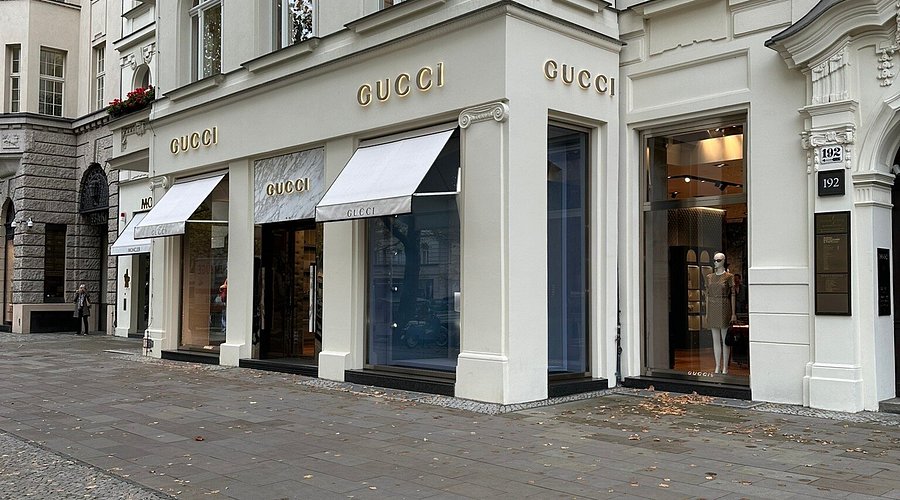
Athletes have become key figures in the luxury branding ecosystem. High end fashion houses, watchmakers, automotive brands, and lifestyle companies increasingly collaborate with sports personalities to reach global audiences.
Beckham’s long term association with luxury brands highlights how athletes can serve as ambassadors for premium markets. These partnerships are often structured to provide ongoing value rather than one time endorsements.
Such relationships help reinforce both brand prestige and athlete visibility in global markets.
Global Mobility and Business Expansion
Like many wealthy individuals, modern athletes often operate on a global scale. Residency choices, business ventures, and investment opportunities span multiple countries and regions.
Beckham’s international presence reflects this global approach, where athletes are no longer tied to a single market. Instead, they build networks and businesses that operate across borders.
This global mobility enhances both financial opportunities and brand reach.
The Influence of Next Generation Athletes
Younger athletes are increasingly following similar wealth building strategies. They are entering professional sports with a stronger understanding of financial planning, branding, and entrepreneurship.
Many are actively building personal companies, investing early in startups, and developing media platforms while still competing professionally.
This shift suggests that the athlete wealth model pioneered by figures like Beckham will continue evolving in the coming years.
Redefining Success in Modern Sports
David Beckham’s financial milestone represents more than individual success. It reflects a broader transformation in how athletes define achievement. Success is no longer measured solely by trophies or records but also by long term financial independence and business influence.
The modern athlete is a hybrid figure, combining performance, entrepreneurship, and global branding. This evolution is reshaping both the sports industry and the global luxury economy.
As this trend continues, athlete driven wealth empires are likely to become even more prominent, influencing industries far beyond sports and reinforcing the idea that modern fame can be transformed into enduring financial legacy.



Subscribe to unlock premium content
Sed at tellus, pharetra lacus, aenean risus non nisl ultricies commodo diam aliquet arcu enim eu leo porttitor habitasse adipiscing porttitor varius ultricies facilisis viverra lacus neque.
A comprehensive guide on Agile development

10 Productivity tools that are worth checking out

Top 7 Must have management tools for productivity

A comprehensive guide on Agile development
10 Productivity tools that are worth checking out
A comprehensive guide on Agile development