
Inside the New Era of Luxury Spending: Experiences Are Replacing Possessions
By
Maya K.
Last updated:
June 5, 2026
First Published:
June 5, 2026

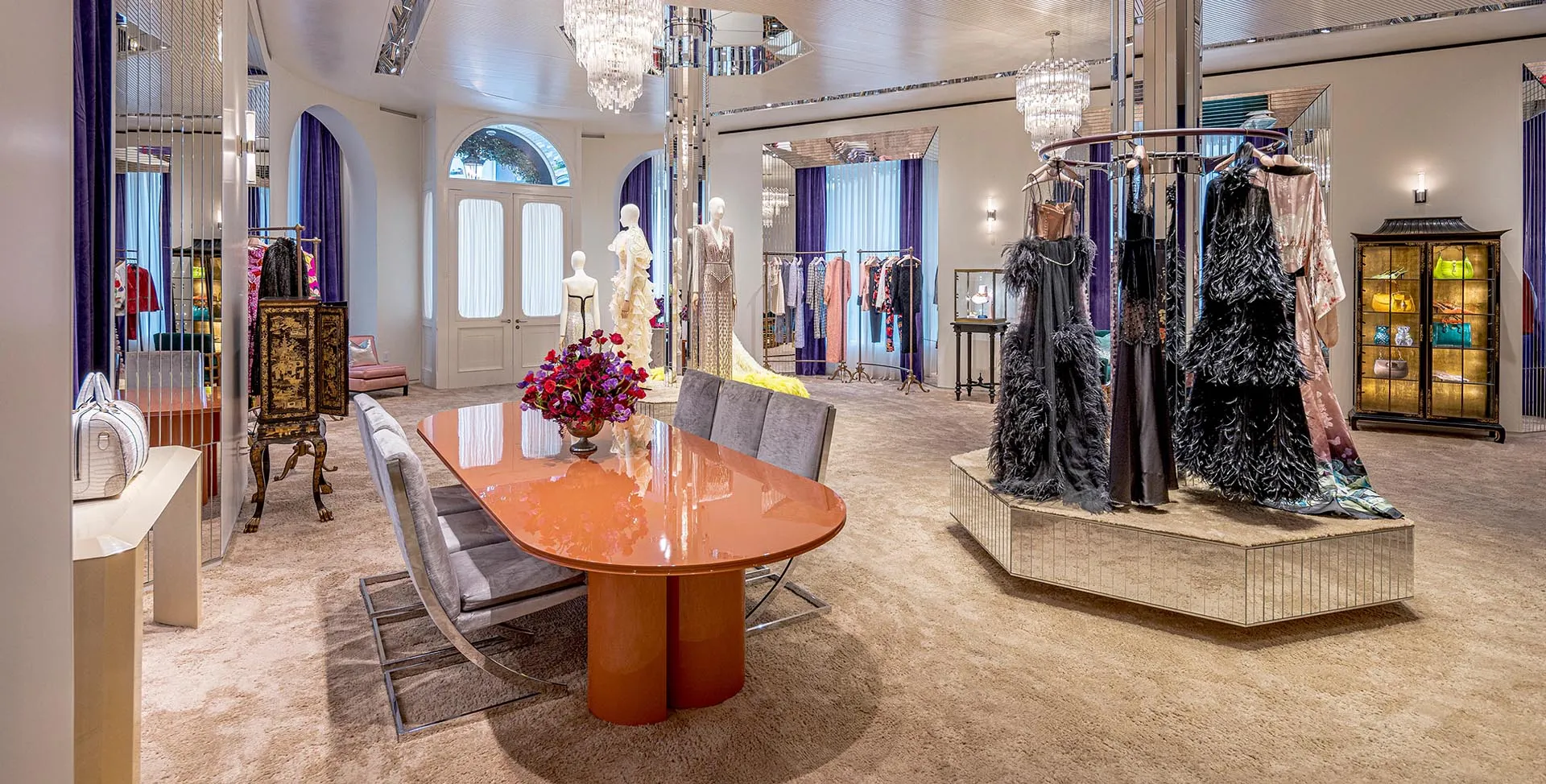
Photo: StudioXAG
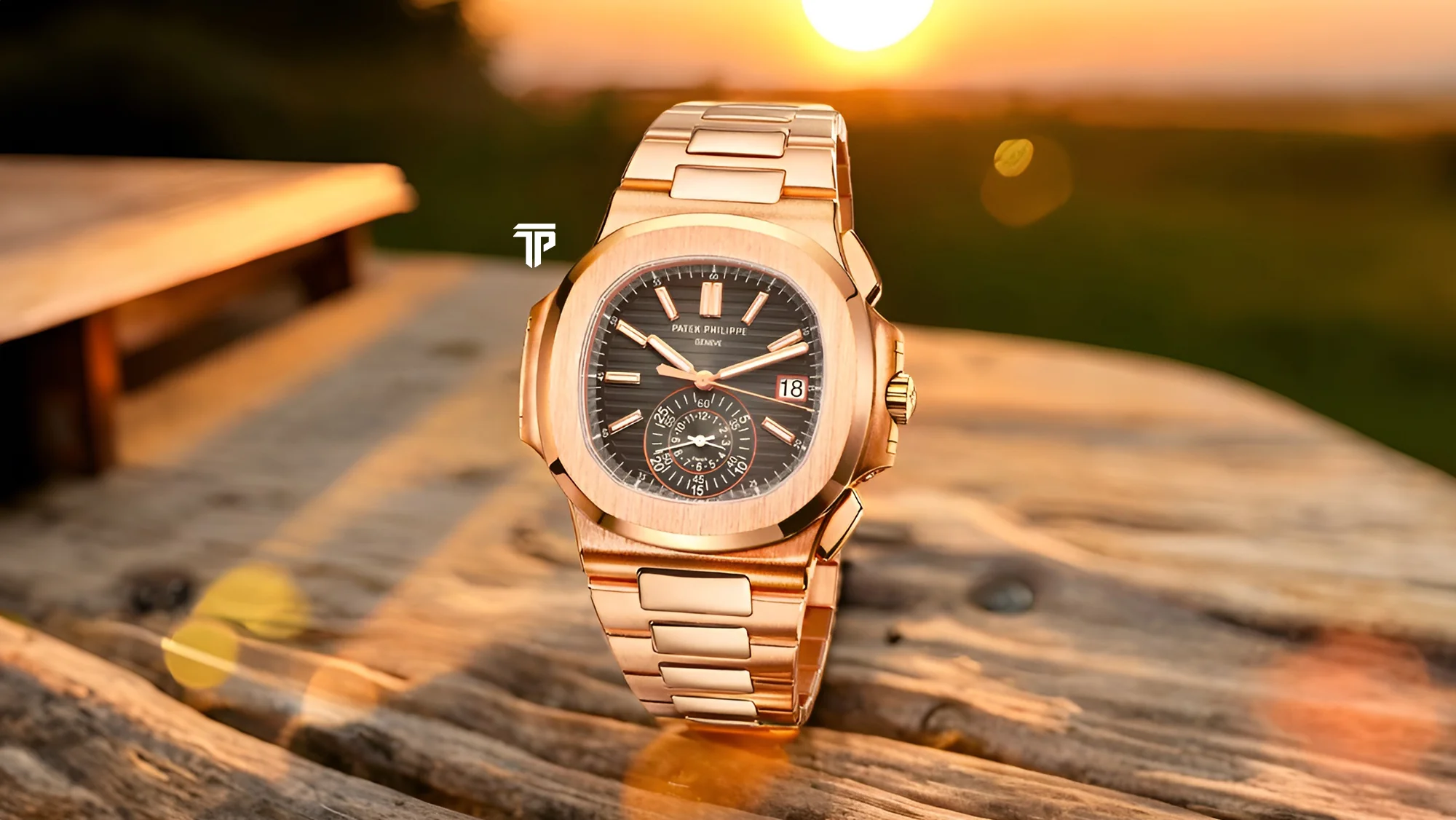
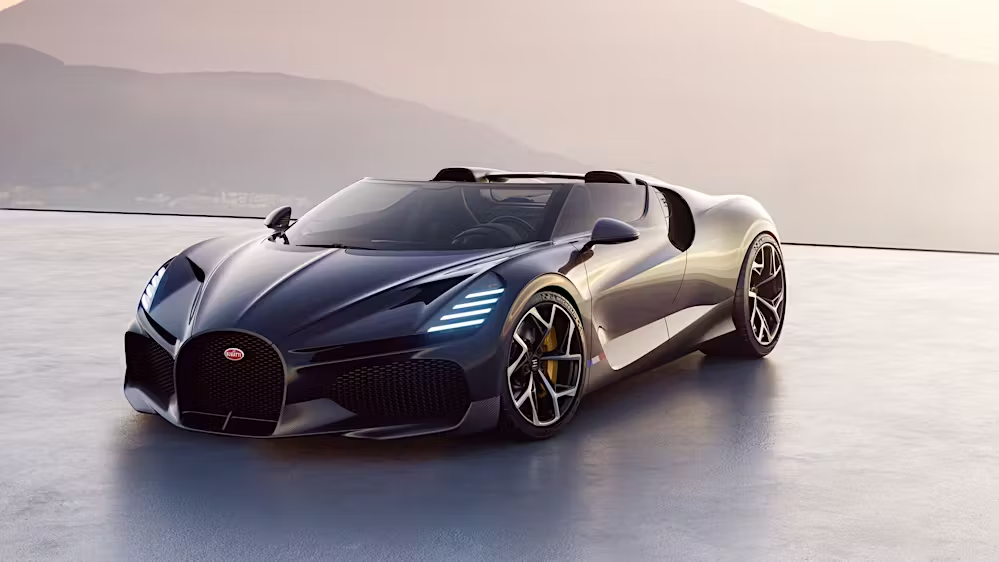
Luxury has traditionally been associated with physical possessions. Expensive watches, designer fashion, rare automobiles, magnificent estates, and fine jewelry have long served as symbols of success and financial achievement. For decades, acquiring prestigious items represented one of the most visible ways for affluent individuals to showcase wealth and status. However, a significant shift is taking place within the luxury market. Increasingly, wealthy consumers are directing their spending toward experiences rather than material possessions.
This transformation is reshaping industries around the world. From private travel and wellness retreats to exclusive events and once in a lifetime adventures, affluent individuals are demonstrating a growing preference for experiences that create lasting memories and personal enrichment. The change reflects evolving values and a broader redefinition of what luxury means in the modern age.
The Meaning of Luxury Is Evolving
Luxury is no longer defined solely by ownership. While premium products remain highly desirable, many affluent consumers now place equal or greater value on experiences that provide emotional satisfaction, personal growth, and unique opportunities.
The modern luxury consumer often seeks authenticity, exclusivity, and meaningful engagement. Rather than purchasing another high end product, many individuals prefer experiences that cannot be easily replicated. This evolution has encouraged luxury brands to rethink how they serve their most valuable clients.
The emphasis has shifted from what someone owns to what someone experiences. This subtle but important change is influencing purchasing decisions across nearly every luxury category.
Wealthy Consumers Are Prioritizing Memories
Research and market observations consistently suggest that memorable experiences often provide longer lasting satisfaction than material possessions. While luxury goods can generate excitement at the time of purchase, the emotional impact may gradually diminish.
Experiences, on the other hand, often create stories, relationships, and personal milestones that remain meaningful for years. Affluent individuals increasingly recognize the value of investing in moments that enrich their lives rather than simply adding more possessions to their collections.
Whether it involves exploring remote destinations, attending private cultural events, or participating in unique adventures, experiences offer a level of personal engagement that many consumers find deeply rewarding.
Private Travel Has Become a Leading Luxury Priority
One of the clearest examples of this trend can be seen in the travel industry. Wealthy travelers are spending unprecedented amounts on personalized journeys designed around their specific interests and preferences.
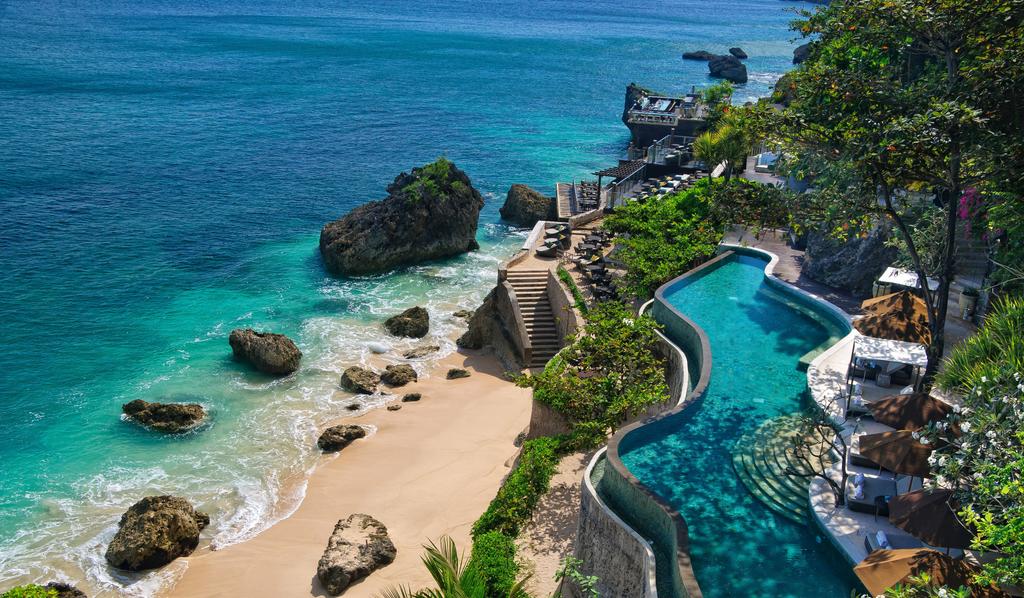
Private aviation, luxury yachts, exclusive island retreats, and highly customized itineraries continue attracting strong demand. Affluent consumers are seeking privacy, flexibility, and access to destinations that traditional tourism cannot provide.
Many travelers are willing to invest heavily in experiences that allow them to explore the world on their own terms. The ability to create unique and unforgettable memories has become one of the most valuable luxury offerings available today.
Wellness Experiences Are Attracting Significant Spending
Health and wellbeing have become major priorities for affluent individuals. As a result, luxury wellness experiences are experiencing remarkable growth across global markets.
High end wellness retreats, personalized health programs, longevity clinics, and holistic lifestyle experiences are drawing substantial interest from wealthy consumers. These offerings often combine medical expertise, advanced technology, nutrition, fitness, and mental wellbeing into comprehensive programs designed to enhance quality of life.
For many affluent individuals, investing in health represents one of the most valuable uses of their resources. Luxury is increasingly associated with vitality, energy, and personal wellbeing rather than simply material abundance.
Exclusive Access Has Become a Status Symbol
In previous generations, ownership often served as the primary indicator of status. Today, exclusive access is becoming equally important. Invitations to private events, membership in elite clubs, and opportunities to participate in unique experiences are increasingly viewed as valuable markers of success.
Many affluent consumers seek experiences that are unavailable to the general public. This desire for exclusivity has encouraged luxury brands to create invitation only gatherings, private exhibitions, intimate performances, and curated networking opportunities.
Access itself has become a form of luxury. Being able to participate in rare experiences often carries greater appeal than acquiring another physical asset.
Fine Dining Is Being Reinvented
Luxury dining has evolved far beyond traditional restaurant experiences. Wealthy consumers increasingly seek culinary adventures that offer uniqueness, creativity, and personal interaction.
Private chef experiences, destination dining events, vineyard immersions, and invitation only culinary gatherings are becoming increasingly popular. These experiences often combine food, culture, education, and entertainment in ways that create lasting impressions.
For affluent individuals, dining is no longer solely about cuisine. It has become an opportunity to engage with culture, build relationships, and enjoy highly personalized experiences.
Technology Is Enhancing Luxury Experiences
Technology is playing a crucial role in the evolution of experiential luxury. Advanced digital tools allow providers to personalize offerings with unprecedented precision.
Luxury travel companies can now create highly customized itineraries based on individual preferences. Wellness providers can develop personalized health programs using sophisticated data analysis. Event organizers can deliver exclusive experiences tailored to specific interests and lifestyles.
Rather than replacing human interaction, technology is enhancing the ability to deliver deeply personalized experiences that resonate with affluent consumers.
Younger Wealthy Generations Are Driving Change
Generational shifts are contributing significantly to the rise of experiential spending. Younger affluent individuals often place greater emphasis on experiences, personal growth, and meaningful connections than previous generations.
Many younger consumers view luxury as a tool for enriching life rather than simply displaying wealth. They value authenticity, sustainability, and memorable experiences that align with their personal values and aspirations.
As younger generations inherit wealth and build successful careers, their preferences are influencing the future direction of luxury markets around the world.
Luxury Brands Are Expanding Beyond Products
Recognizing changing consumer behavior, many luxury brands are extending their offerings beyond traditional products. Companies that once focused exclusively on fashion, jewelry, or accessories are now creating immersive experiences designed to strengthen relationships with clients.
Private travel programs, exclusive cultural events, educational experiences, and personalized services are becoming important components of luxury brand strategies. These initiatives allow companies to engage customers on a deeper level while creating additional value beyond physical goods.
The ability to deliver memorable experiences is becoming a key differentiator in an increasingly competitive luxury landscape.
The Future of Luxury Spending
The shift from possessions to experiences does not mean material luxury is disappearing. Fine watches, exceptional automobiles, luxury residences, and premium fashion will continue attracting affluent buyers. However, experiences are increasingly occupying a larger share of luxury spending.
The most successful luxury businesses will likely be those that combine exceptional products with unforgettable experiences. Consumers are seeking emotional value alongside financial value, and brands that understand this balance will be well positioned for future growth.
The new era of luxury spending reflects a deeper transformation in consumer priorities. Wealthy individuals are discovering that while possessions can be admired, experiences can be lived, remembered, and shared. In an age where personal fulfillment carries growing importance, the pursuit of extraordinary experiences may become the ultimate expression of modern luxury.
Subscribe to unlock premium content
Sed at tellus, pharetra lacus, aenean risus non nisl ultricies commodo diam aliquet arcu enim eu leo porttitor habitasse adipiscing porttitor varius ultricies facilisis viverra lacus neque.
A comprehensive guide on Agile development

10 Productivity tools that are worth checking out
Top 7 Must have management tools for productivity

A comprehensive guide on Agile development
10 Productivity tools that are worth checking out
A comprehensive guide on Agile development