
Diamond Embedded Luxury Smartphones and Gold Plated Gadgets Return as the Ultimate Billionaire Flex in 2026
By
Sophie Moore
Last updated:
May 8, 2026
First Published:
May 8, 2026

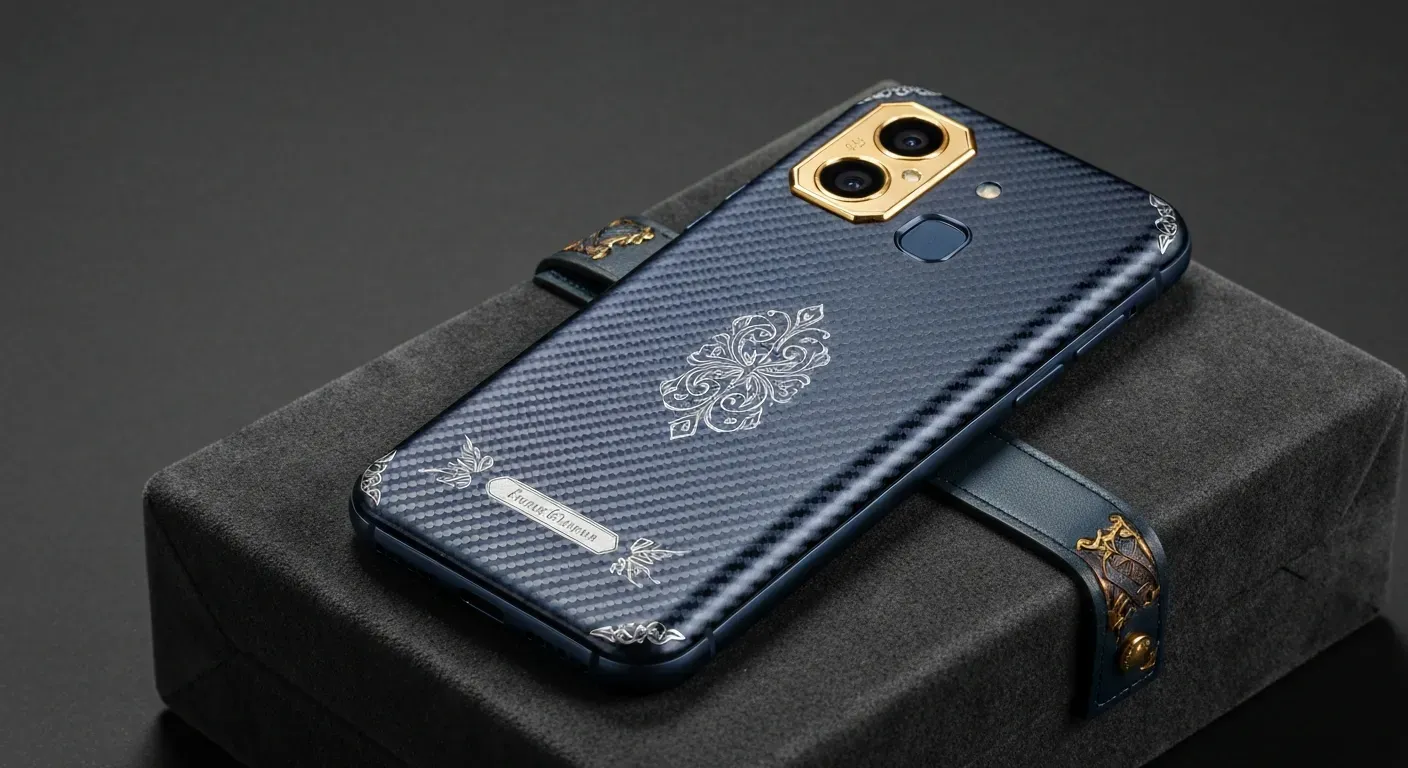
Photo: Vertu
The comeback of luxury gadgets as status symbols
In 2026 the world of consumer technology is witnessing a surprising return of heavily customized luxury devices. While mainstream smartphones continue to focus on performance and efficiency, the ultra wealthy are embracing an entirely different direction. Diamond embedded smartphones, gold plated tablets, and handcrafted wearable devices are reemerging as powerful symbols of status, exclusivity, and personal identity.
This trend is not driven by necessity but by expression. For high net worth individuals, technology is no longer just functional. It has become a canvas for luxury craftsmanship and personalization at the highest level.
Why wealthy consumers are rejecting minimalism in tech
For years the dominant design philosophy in consumer electronics has been minimalism. Sleek surfaces, neutral colors, and uniform aesthetics defined the global tech industry. However, among elite buyers, this approach is losing appeal.
Wealthy clients increasingly view minimalism as ordinary rather than exclusive. Instead they are commissioning devices that reflect individuality through rare materials and custom artistry. This includes handset bodies made from platinum alloys, sapphire glass panels, and intricate gemstone detailing.
Luxury in technology is shifting from invisibility to visibility.
Diamond embedded smartphones become collector pieces
One of the most iconic products in this revival is the diamond embedded smartphone. These devices are not mass produced but individually crafted pieces often created in collaboration with luxury jewelers and boutique tech designers.
Each device may feature hand set diamonds, rare colored stones, and engraved personalization based on family heritage or personal branding. In many cases these phones are treated more like collectible artifacts than everyday communication tools.
Some models are even produced in extremely limited quantities, making them highly sought after within elite collector circles.
Gold plated gadgets redefine everyday luxury
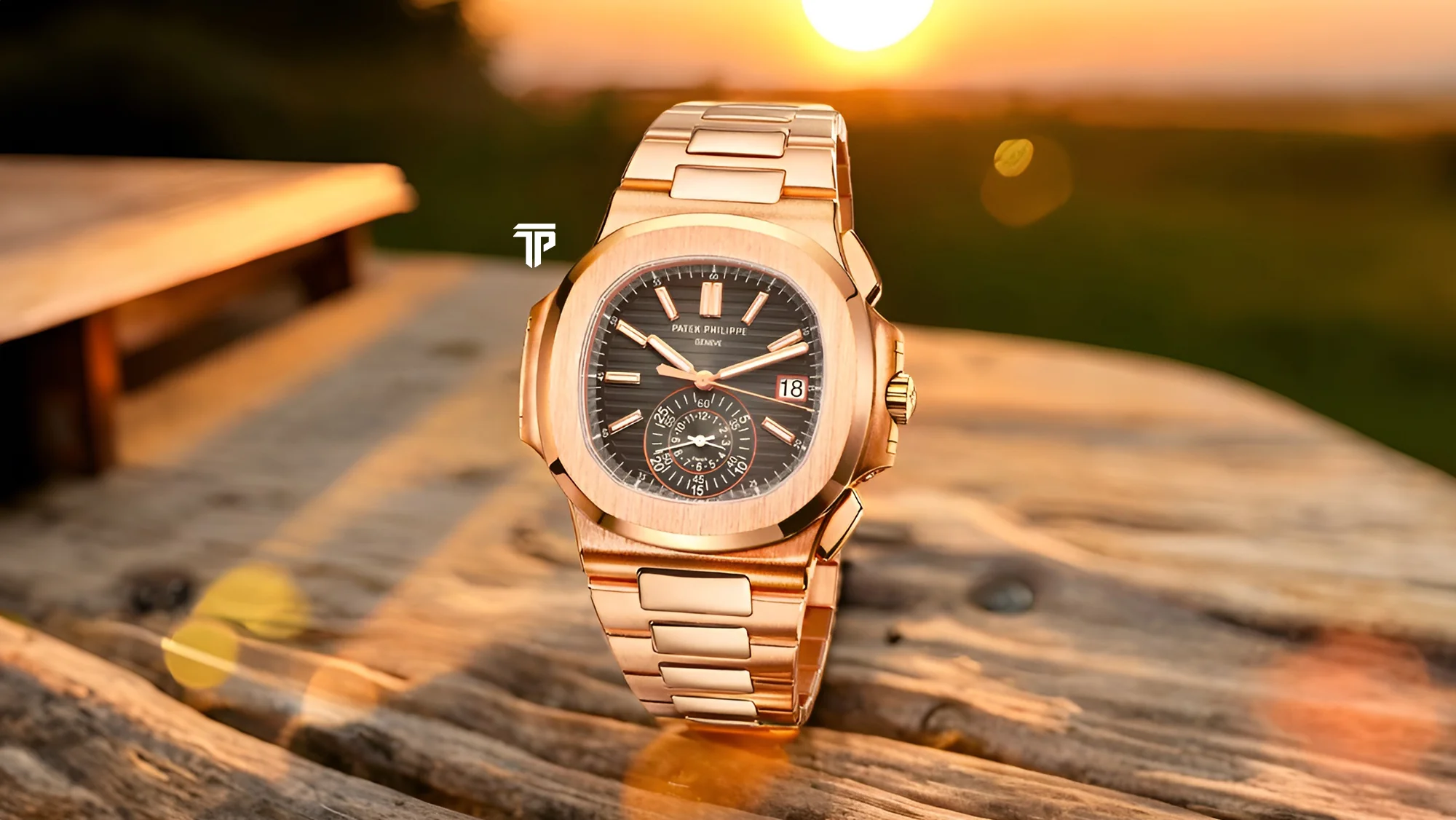
Beyond smartphones, gold plated gadgets are also experiencing a resurgence. Laptops headphones smartwatches and tablets are being redesigned with precious metal finishes and custom engraving options.
These devices are often purchased not for practicality alone but for display within private offices luxury yachts and executive lounges. For many wealthy individuals, owning visibly luxurious technology reinforces their identity in professional and social environments.
Manufacturers are responding by offering fully bespoke design services where every detail can be tailored to the client’s preference.
The role of personalization in elite technology culture
Personalization has become the core value driving luxury tech consumption. Buyers are no longer satisfied with premium specifications alone. They want devices that reflect personal stories achievements and aesthetics.
Some clients request cultural motifs inspired by heritage while others incorporate family symbols or artistic themes into their devices. This level of customization transforms each gadget into a personal artifact rather than a generic product.
Luxury tech houses now employ designers artisans and engineers to collaborate on highly individualized creations.
Luxury technology as a form of digital identity
In elite circles, devices have become extensions of personal identity. A smartphone or smartwatch is not just a tool but a visible expression of wealth taste and influence.
This has led to a shift where appearance matters as much as functionality. Devices are designed to be seen in business meetings private events and social gatherings, reinforcing the owner’s status without words.
For many ultra wealthy users, owning a unique device is comparable to owning fine art or a luxury watch collection.
The fusion of craftsmanship and advanced engineering
What makes this trend particularly interesting is the combination of traditional craftsmanship with modern technology. Luxury device makers are collaborating with jewelers metalworkers and software engineers to produce highly advanced yet visually extravagant products.
Despite their ornate appearance these devices still include cutting edge processors security systems and AI integration. The challenge lies in balancing performance with artistic design without compromising either.
This fusion has created a new niche industry at the intersection of luxury goods and high technology.
Exclusive tech boutiques become elite shopping destinations
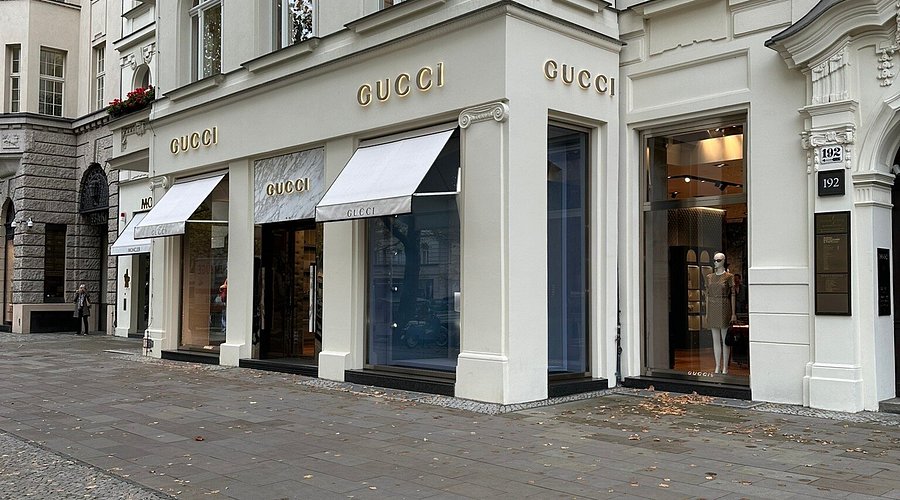
Luxury technology is no longer sold through standard retail channels. Instead exclusive boutiques and private showrooms are emerging in global luxury hubs such as Dubai London Paris and Singapore.
These spaces operate more like art galleries than electronics stores. Clients are invited by appointment and offered fully private consultations where devices are designed and customized in real time.
This exclusivity adds another layer of prestige to ownership.
Younger billionaires drive the demand for statement devices
A major force behind this trend is the younger generation of wealthy entrepreneurs and investors. Unlike older elites who often preferred understated luxury, younger billionaires are more expressive with their wealth.
For them luxury gadgets serve as both functional tools and social signals. A diamond embedded phone or gold plated laptop becomes a conversation piece that reinforces personal branding in both physical and digital spaces.
This cultural shift is accelerating demand across global luxury tech markets.
The future of luxury tech becomes more artistic and personal
As the luxury technology market continues to evolve, experts predict even more experimental designs in the coming years. Concepts under development include holographic personalized interfaces gemstone integrated wearable devices and fully customizable AI powered luxury ecosystems.
The boundary between technology art and jewelry is becoming increasingly blurred. What was once considered excessive is now emerging as a legitimate luxury category.
In 2026 luxury gadgets are no longer about necessity or performance alone. They are about identity expression craftsmanship and the visible celebration of extreme wealth.


Subscribe to unlock premium content
Sed at tellus, pharetra lacus, aenean risus non nisl ultricies commodo diam aliquet arcu enim eu leo porttitor habitasse adipiscing porttitor varius ultricies facilisis viverra lacus neque.
A comprehensive guide on Agile development

10 Productivity tools that are worth checking out
Top 7 Must have management tools for productivity

A comprehensive guide on Agile development
10 Productivity tools that are worth checking out
A comprehensive guide on Agile development