
Billionaires Compete for Ultra Rare Hypercars as Custom Built Vehicles Sell for Record Breaking Prices Worldwide
By
Maya K.
Last updated:
May 8, 2026
First Published:
May 8, 2026


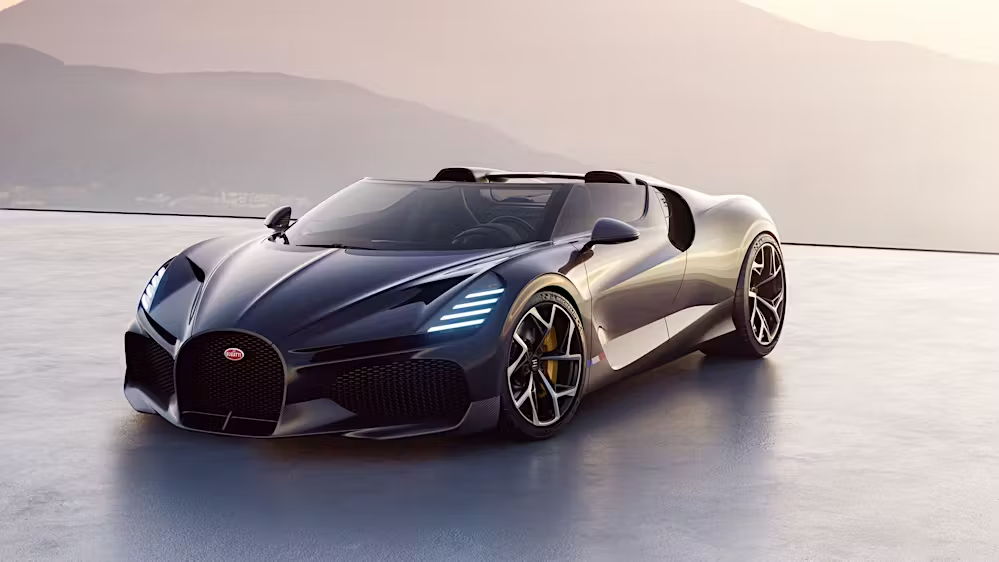
Photo: Yahoo Autos
The hypercar market enters an unprecedented luxury escalation phase
In 2026 the global hypercar market has reached a new level of intensity where rarity design and exclusivity matter far more than performance alone. Ultra wealthy collectors are competing for limited production vehicles that are often built in quantities of fewer than ten units worldwide.
These machines are no longer just transportation tools. They are treated as mobile sculptures engineered to reflect identity status and personal legacy. Auctions private allocations and invitation only builds have become the primary way these vehicles change ownership.
The result is a market where demand consistently exceeds supply by extreme margins, driving prices into record breaking territory.
Custom built hypercars become the ultimate expression of identity
One of the defining trends in this space is the rise of fully custom built hypercars. Rather than selecting from existing models buyers are now commissioning entirely unique vehicles designed from the ground up.
These projects often involve collaboration between automotive engineers designers and luxury artisans. Every detail including body shape interior materials color schemes and performance tuning is tailored to the owner’s vision.
For many billionaires the goal is not just to own a fast car but to create something that cannot be replicated anywhere else in the world.
Extreme scarcity drives emotional and financial value
Scarcity has become one of the most powerful forces in the hypercar industry. Manufacturers intentionally limit production numbers to increase desirability and long term value.
Some models are released only to a select group of clients who have pre existing relationships with the brand. Others are distributed through private allocations based on collector history or investment activity.
This controlled scarcity transforms hypercars into alternative assets that can appreciate significantly over time, similar to rare art or high end watches.
Luxury automotive design becomes increasingly artistic
Modern hypercars are being designed with a strong emphasis on artistic expression. Designers are moving beyond traditional automotive aesthetics and incorporating influences from architecture sculpture and contemporary art.
Materials such as forged carbon titanium liquid metal finishes and rare natural fibers are commonly used to create visually distinctive surfaces. Interiors often resemble luxury lounges with handcrafted leather ambient lighting and personalized engravings.
The vehicle becomes a curated experience rather than a mechanical product.
Performance innovation remains important but secondary to exclusivity
While performance continues to improve with advanced hybrid and electric systems, it is no longer the primary selling point for many elite buyers. Speed acceleration and engineering precision are expected features rather than differentiating factors.
Instead exclusivity storytelling and craftsmanship are what define true luxury in this segment. A hypercar’s value is increasingly tied to its origin story production limit and customization level.
This shift has fundamentally changed how manufacturers approach product development.
Private automotive studios replace traditional showrooms
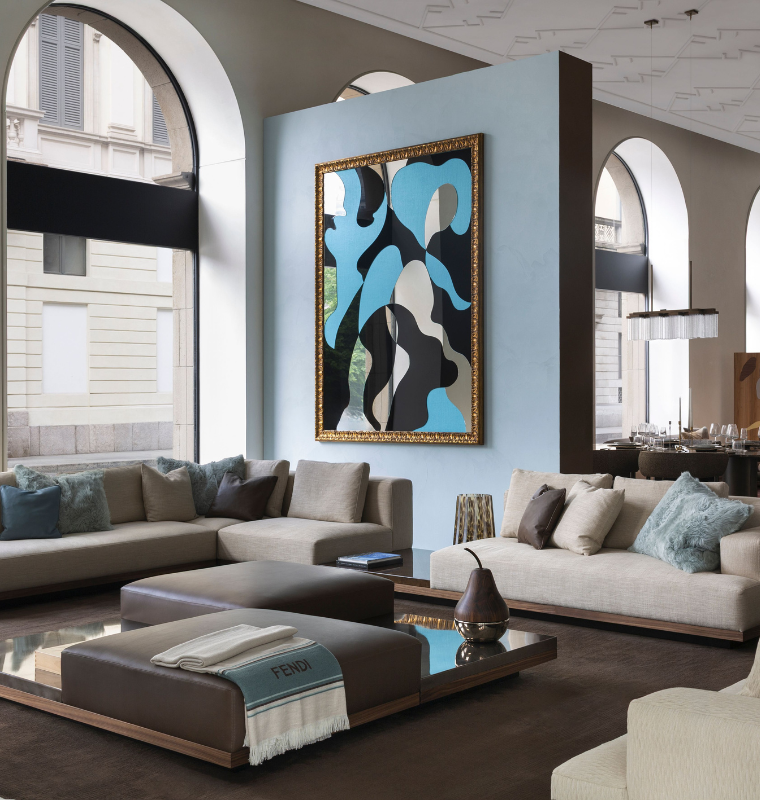
Luxury car brands are moving away from conventional dealerships and adopting private studio environments for elite clients. These spaces operate by appointment only and offer fully immersive configuration experiences.
Clients can view prototypes select materials and collaborate directly with designers in highly controlled settings. Some studios even simulate driving environments and virtual customization tools to refine every detail before production begins.
This private experience reinforces the exclusivity of ownership.
Celebrity collectors and tech founders drive demand
A significant portion of hypercar demand is coming from new generation wealth creators including technology entrepreneurs crypto investors and global entertainment figures.
For these individuals hypercars serve as both personal passion projects and public symbols of success. Limited edition vehicles often appear in private collections alongside yachts private jets and rare art pieces.
This crossover between technology wealth and automotive luxury has intensified competition for the rarest builds.
Auction houses fuel record breaking valuations
High end auction houses have become central players in the hypercar ecosystem. Rare vehicles often sell for multiples of their original price due to collector demand and historical significance.
Some cars are valued not just for their engineering but for their ownership history celebrity association or unique customization. In some cases private bidding wars drive prices into unprecedented territory.
This auction driven ecosystem has further solidified hypercars as investment grade luxury assets.
Sustainability influences next generation hypercar design
Even at the highest levels of luxury sustainability is beginning to influence automotive development. Manufacturers are experimenting with hybrid propulsion systems advanced battery technologies and recyclable luxury materials.
However sustainability in this segment is often integrated without compromising exclusivity or performance. The goal is to combine environmental awareness with uncompromised luxury engineering.
This balance is shaping the future direction of hypercar innovation.
The future of hypercars becomes more personalized and exclusive
Looking ahead the hypercar industry is expected to become even more personalized and digitally integrated. Concepts under development include AI designed vehicle interiors adaptive performance systems and fully immersive driving environments.
Ownership may increasingly resemble membership into an exclusive automotive ecosystem rather than simple possession of a vehicle.
In 2026 hypercars are no longer just the pinnacle of speed and engineering. They are evolving into rare cultural artifacts that define status creativity and extreme personalization in the modern luxury world.


Subscribe to unlock premium content
Sed at tellus, pharetra lacus, aenean risus non nisl ultricies commodo diam aliquet arcu enim eu leo porttitor habitasse adipiscing porttitor varius ultricies facilisis viverra lacus neque.
A comprehensive guide on Agile development

10 Productivity tools that are worth checking out

Top 7 Must have management tools for productivity

A comprehensive guide on Agile development
10 Productivity tools that are worth checking out
A comprehensive guide on Agile development