
Discreet Billionaire Clubs Expand Invitation Only Investment Circles Focused on Climate Arbitrage
By
John Carter
Last updated:
March 4, 2026
First Published:
March 4, 2026


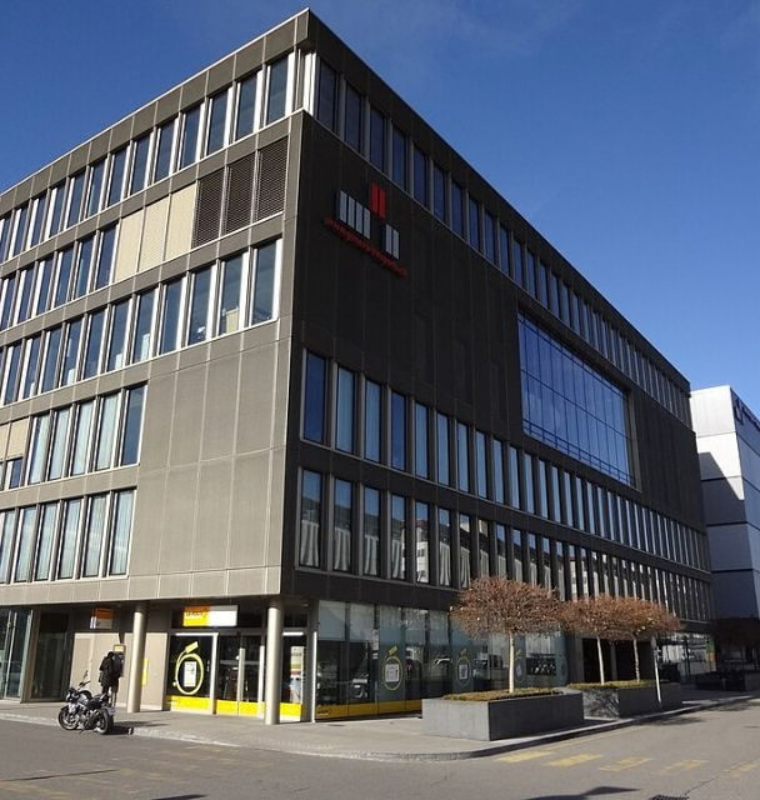
Photo: Genistar
A Silent Evolution in Elite Capital Networks
Across major financial capitals, a subtle yet powerful shift is unfolding among the world’s wealthiest individuals. Traditional country clubs and social circles are being replaced by tightly curated investment collectives designed around a single high conviction theme. Climate arbitrage. These discreet billionaire clubs operate far from public visibility, forming invitation only circles where environmental volatility is analyzed not as a threat, but as a strategic lever for long term wealth expansion.
Climate Arbitrage Becomes a Strategic Asset Class
Climate arbitrage refers to identifying mispriced assets, regulatory shifts, and infrastructure gaps created by climate transition pressures. Members of these elite circles are allocating capital into regions, technologies, and supply chains that stand to benefit from policy tightening, carbon pricing evolution, and resource scarcity. Instead of reacting to climate regulation, they are positioning ahead of it. The objective is not short term speculation. It is structural advantage.
Why Privacy Matters More Than Ever
Ultra high net worth investors increasingly prefer discretion over publicity. Climate positioning can influence markets, attract scrutiny, and create political exposure. These investment circles prioritize confidentiality agreements, controlled information flow, and vetted entry protocols. Privacy protects strategy. It also allows members to collaborate without signaling intent to broader markets.
Infrastructure as the Core Play
One of the primary focuses within these clubs is infrastructure arbitrage. Ports, energy grids, desalination facilities, agricultural logistics, and battery storage systems are being analyzed through a climate lens. As regulatory frameworks tighten globally, assets that support adaptation and transition gain pricing power. Members pool intelligence, often supported by private research teams, to identify undercapitalized sectors before institutional capital fully enters.
Geographic Repositioning of Capital
Climate arbitrage is not limited to technology. Geography plays a central role. Regions projected to benefit from shifting agricultural zones, water security advantages, or renewable resource capacity are being quietly accumulated. Land, energy corridors, and transport routes are studied with long term climate models in mind. Wealth migration follows resilience. These billionaire networks are mapping that resilience decades ahead.
The Role of Advanced Data Intelligence
Unlike traditional investment clubs that rely heavily on relationships, these new circles integrate advanced predictive analytics. Satellite imagery, environmental risk modeling, and proprietary climate forecasting tools guide decision making. Data becomes a competitive moat. By combining private capital with high resolution intelligence, members reduce uncertainty while identifying mispriced opportunities others overlook.
Regulatory Foresight as Competitive Edge
Policy shifts often create price distortions. Carbon taxation frameworks, green subsidies, water rights legislation, and zoning adjustments can rapidly revalue assets. These clubs frequently include former policymakers, climate scientists, and regulatory advisors within their networks. Early insight into legislative direction enables members to structure positions before reforms are finalized. Timing is everything in arbitrage strategy.
Collaboration Over Competition
Historically, billionaire investors competed aggressively for proprietary deals. Within these climate focused circles, collaboration is increasingly prioritized. Co investment structures distribute risk across members while preserving upside exposure. Shared due diligence reduces blind spots. In a domain as complex as climate transition, collective intelligence often outperforms isolated capital.
Reputation Management and Quiet Impact
Interestingly, many of these investments carry dual benefits. While structured for arbitrage and return optimization, they frequently align with sustainability narratives. Renewable energy deployment, resilient agriculture, and water infrastructure investments generate measurable environmental impact. Yet public branding is rarely the primary motivation. Financial asymmetry remains the driving force. Impact is an aligned outcome rather than a headline objective.
The Long Horizon Mindset
Climate arbitrage is inherently long term. Volatility in weather patterns, regulatory regimes, and commodity pricing unfolds over years, not quarters. These billionaire circles are structured around patient capital. They are less concerned with quarterly liquidity and more focused on generational compounding. For families stewarding wealth across decades, climate disruption represents both systemic risk and structural opportunity.
A Redefinition of Modern Wealth Strategy
The expansion of invitation only climate arbitrage circles signals a broader redefinition of elite wealth strategy. Environmental transformation is no longer viewed solely through philanthropy or corporate responsibility. It is becoming embedded within portfolio architecture itself. Capital is adapting to planetary shifts with calculated precision.
As this quiet evolution continues, one reality becomes clear. The next era of extreme wealth will not simply be preserved through diversification. It will be engineered through foresight. Those operating inside these discreet networks are not just hedging against climate change. They are positioning to extract strategic advantage from it.




Subscribe to unlock premium content
Sed at tellus, pharetra lacus, aenean risus non nisl ultricies commodo diam aliquet arcu enim eu leo porttitor habitasse adipiscing porttitor varius ultricies facilisis viverra lacus neque.
A comprehensive guide on Agile development

10 Productivity tools that are worth checking out

Top 7 Must have management tools for productivity

A comprehensive guide on Agile development
10 Productivity tools that are worth checking out
A comprehensive guide on Agile development