

Dynasty Trust Structures Gain Popularity as Tax Transparency Rules Tighten Across Major Financial Hubs
By
Sophie Moore
Last updated:
February 24, 2026
First Published:
April 25, 2026


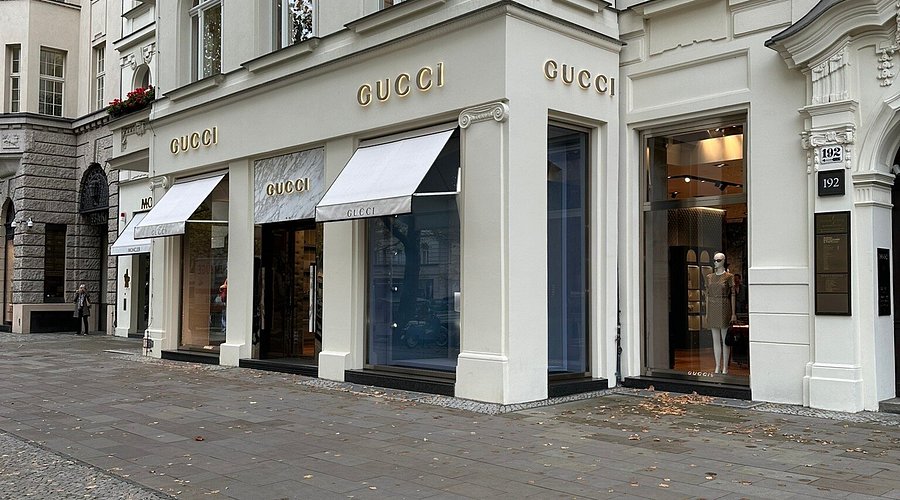
Photo: First Bank
The Changing Landscape of Wealth Preservation
In recent years, wealthy families and family offices have faced increasing scrutiny from tax authorities around the world. Transparency rules, stricter reporting requirements, and cross border information sharing have forced a reevaluation of traditional estate planning strategies. As a result, dynasty trust structures are experiencing a resurgence in popularity among ultra high net worth individuals.
Unlike conventional trusts, dynasty structures are designed to last for multiple generations. They provide a framework for transferring wealth while minimizing exposure to estate taxes, capital gains taxes, and other financial liabilities. Families view these structures as both a shield and a tool for ensuring continuity of assets over time.
Preserving Wealth Across Generations
Dynasty trusts allow families to lock in wealth for future generations without triggering repeated tax obligations. Assets placed into the trust can grow in a tax efficient manner, while distributions are controlled according to rules established by the settlor. This creates stability and predictability for heirs.
High net worth families increasingly see this as a strategic advantage. Unlike direct inheritance, which may be exposed to market volatility or taxation, dynasty trusts offer a protected environment for capital accumulation, succession planning, and philanthropic engagement.
Adapting to Global Tax Transparency
As countries implement stricter transparency regulations, including automatic information exchange agreements and reporting of offshore holdings, dynasty trusts have evolved to remain compliant. Advisors now structure trusts with clear legal frameworks that satisfy both domestic and international obligations.
This evolution reassures families that they can maintain confidentiality and asset protection without risking regulatory penalties. Compliance and adaptability have become essential components of trust design.
Flexibility and Control Within the Trust
A key feature of dynasty trusts is the ability to maintain control over asset allocation and distribution rules across generations. Trustees, often chosen for expertise rather than familial relation, manage investments according to the founder’s long term vision.
High net worth individuals value this level of control. It allows for strategic oversight of family wealth, alignment with philanthropic objectives, and the ability to guide future generations without exposing capital to mismanagement or external claims.
Integration With Alternative Assets
Modern dynasty trusts often include allocations beyond traditional equities and bonds. Private equity, venture capital, luxury real estate, and digital assets can be incorporated within the trust structure.
This diversification ensures that the family portfolio is resilient against market volatility and positioned for long term growth. Trusts can be tailored to reflect the risk appetite and values of the family, combining wealth preservation with strategic expansion.
Philanthropy and Legacy Planning
Dynasty trusts are not solely financial instruments. They are increasingly used to structure charitable giving and social impact initiatives. Families can direct portions of the trust to philanthropic endeavors, creating a legacy that extends beyond wealth.
Structured giving within the trust can provide tax efficiencies while fostering a culture of responsibility and engagement among heirs. The ability to link family wealth to enduring social impact adds both purpose and prestige to the structure.
Jurisdiction Selection and Legal Considerations
Choosing the right jurisdiction is critical. Countries with favorable trust laws, strong legal frameworks, and political stability are preferred. Popular jurisdictions often provide mechanisms to extend the trust indefinitely, enhancing intergenerational continuity.
Legal counsel plays a pivotal role in ensuring compliance and structuring flexibility. Families must weigh asset protection, tax implications, and succession planning simultaneously, making professional guidance essential.
Cultural Shifts in Wealth Governance
Younger generations are increasingly involved in wealth governance decisions. Dynasty trusts provide a mechanism for educating heirs about financial responsibility, strategic thinking, and investment oversight without exposing them prematurely to full ownership.
This approach fosters disciplined stewardship, aligning the interests of multiple generations and ensuring that wealth is preserved in alignment with family values and long term objectives.
The Strategic Advantage of Dynasty Trusts
As global wealth becomes increasingly mobile and regulations tighten, dynasty trusts offer a combination of security, control, and strategic flexibility. Families gain the ability to manage complex portfolios while ensuring that future generations inherit both capital and governance frameworks.
This trend reflects a broader shift among ultra wealthy individuals toward structured, disciplined, and forward looking wealth management. Dynasty trusts represent not only a financial tool but a strategic framework for preserving influence, values, and economic power across generations.



Subscribe to unlock premium content
Sed at tellus, pharetra lacus, aenean risus non nisl ultricies commodo diam aliquet arcu enim eu leo porttitor habitasse adipiscing porttitor varius ultricies facilisis viverra lacus neque.
A comprehensive guide on Agile development

10 Productivity tools that are worth checking out

Top 7 Must have management tools for productivity

A comprehensive guide on Agile development
10 Productivity tools that are worth checking out
A comprehensive guide on Agile development