
Elite Investors Turn Abandoned Industrial Sites Into Ultra Exclusive Cultural Districts
By
Sophie Moore
Last updated:
April 14, 2026
First Published:
April 25, 2026

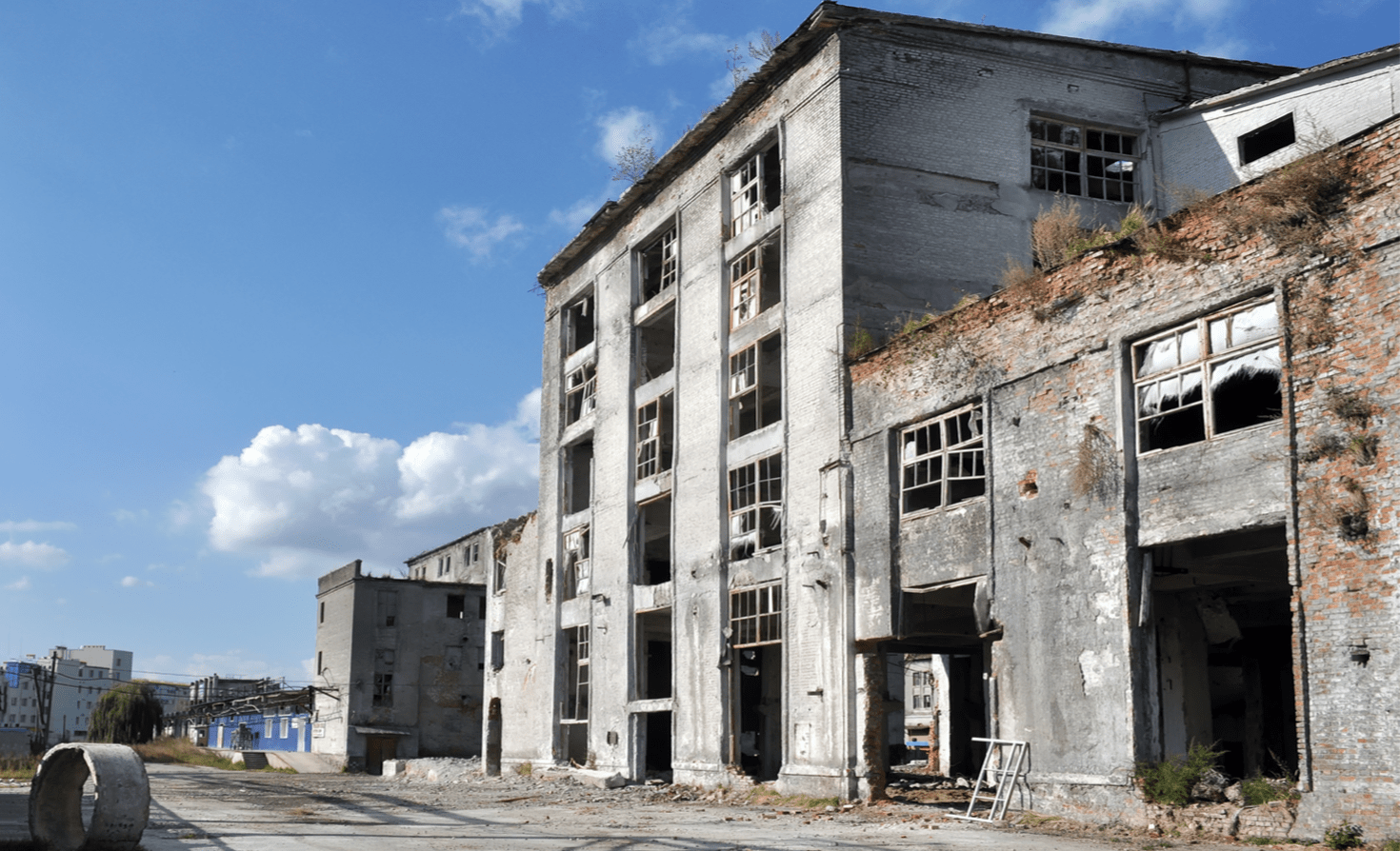
Photo: Trellis
From Derelict Infrastructure to High Value Cultural Enclaves
Across major global cities, abandoned industrial zones are being quietly transformed into some of the most exclusive cultural districts in the world. Elite investors are acquiring large scale post industrial properties that were once dismissed as obsolete and converting them into highly curated urban environments designed for affluent residents, collectors, and cultural patrons. These projects are redefining how luxury interacts with urban regeneration.
Strategic Interest in Post Industrial Geography
Industrial sites offer a rare combination of scale, location potential, and architectural depth. Many of these areas are positioned close to central urban districts but remain underdeveloped due to historical decline. Investors recognize the opportunity to reimagine these zones into controlled environments where culture, commerce, and luxury coexist under a unified vision.
The Rise of Curated Urban Exclusivity
Unlike traditional redevelopment, these cultural districts are not designed for mass accessibility. Instead, they are structured around exclusivity, invitation based access, and curated participation. Art galleries, private studios, boutique retail spaces, and members only venues form the foundation of these new urban ecosystems.
Integration of Contemporary Art and Private Collections
A defining feature of these redeveloped districts is the integration of high value art ecosystems. Wealthy investors are partnering with curators and collectors to establish rotating exhibitions, private museums, and permanent installations. This transforms industrial architecture into living cultural archives that continuously evolve.
Luxury Real Estate Embedded Within Cultural Infrastructure
Residential components within these districts are being designed as extensions of the cultural environment rather than standalone properties. Apartments and penthouses are positioned above galleries, performance spaces, and culinary ateliers, creating a seamless blend between living space and cultural engagement.
Economic Logic Behind Cultural District Investments
The financial strategy behind these transformations is based on long term value appreciation driven by scarcity and identity creation. Once an industrial site is converted into a recognized cultural district, its land value increases significantly due to limited availability of comparable developments in global cities.
The Role of Architectural Preservation and Reinvention
Instead of demolishing existing structures, developers are increasingly preserving industrial architecture as a core aesthetic element. Brick warehouses, steel frameworks, and former factories are being adapted into minimalist luxury environments that retain historical texture while offering modern functionality.
Private Funding and Low Visibility Development Models
Many of these projects are financed through private capital structures that minimize public exposure during early development phases. This allows investors to secure large land parcels before market recognition drives up prices. The low visibility approach is key to maintaining strategic advantage.
Cultural Programming as a Value Engine
These districts are not static real estate developments. They operate as ongoing cultural platforms featuring artist residencies, curated festivals, private performances, and exclusive intellectual gatherings. This continuous programming enhances prestige and sustains long term demand.
Global Expansion of the Industrial Luxury Model
Cities across Europe, Asia, and North America are witnessing early versions of this transformation model. As competition for prime urban land intensifies, industrial redevelopment is becoming one of the most influential strategies in elite real estate investment.
Outlook for Urban Luxury Transformation
The conversion of abandoned industrial zones into cultural districts signals a broader shift in how wealth interacts with cities. Rather than simply owning property, elite investors are increasingly shaping entire cultural identities within urban environments, redefining what luxury urban living represents.


Subscribe to unlock premium content
Sed at tellus, pharetra lacus, aenean risus non nisl ultricies commodo diam aliquet arcu enim eu leo porttitor habitasse adipiscing porttitor varius ultricies facilisis viverra lacus neque.
A comprehensive guide on Agile development

10 Productivity tools that are worth checking out

Top 7 Must have management tools for productivity

A comprehensive guide on Agile development
10 Productivity tools that are worth checking out
A comprehensive guide on Agile development