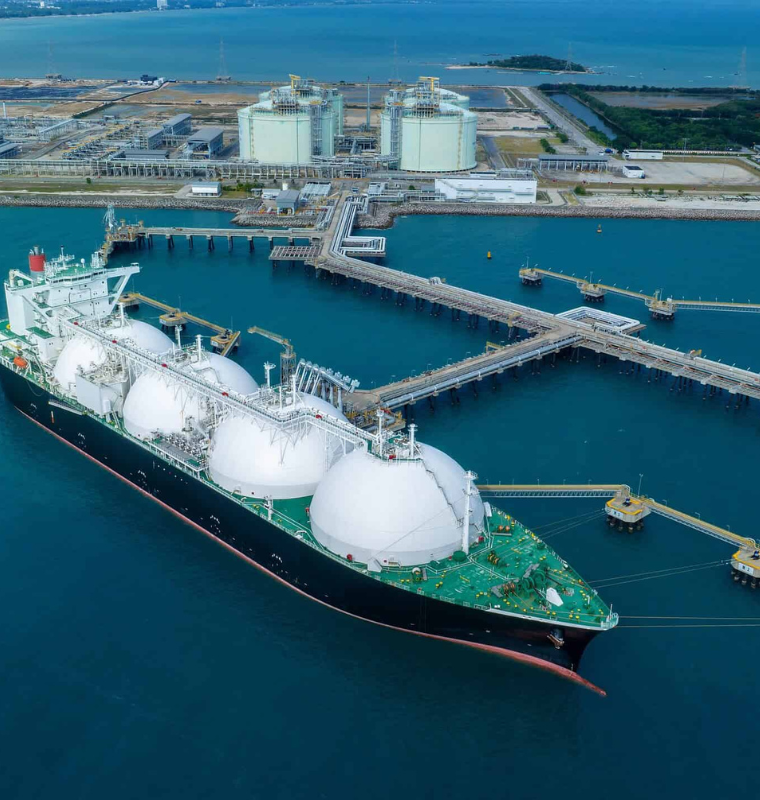

Family Offices Accelerate Global Diversification Strategies Amid Shifting Wealth Creation Trends
By
Sophie Moore
Last updated:
June 18, 2026
First Published:
June 18, 2026


Photo: ExecHQ
The global wealth management industry is experiencing a significant transformation as family offices increasingly adopt sophisticated diversification strategies to navigate an evolving economic landscape. In 2026, some of the world's wealthiest families are expanding their investment horizons beyond traditional asset classes and geographic boundaries, seeking opportunities that can protect and grow wealth across generations.
This shift reflects a broader recognition that wealth creation patterns are changing rapidly. Emerging technologies, demographic transitions, geopolitical developments, and new economic centers are influencing how affluent families manage their fortunes. As a result, family offices are becoming more dynamic, globally connected, and strategically diversified than ever before.
The trend is reshaping investment markets and providing valuable insight into how long term wealth preservation is evolving in the modern era.
Understanding the Growing Influence of Family Offices
Family offices have become some of the most powerful investment entities in the global financial system. Unlike traditional investment funds, family offices manage the assets and interests of a single wealthy family or a small group of related families.
Their responsibilities often extend beyond investment management. Many oversee estate planning, philanthropy, succession strategies, tax coordination, private business interests, and lifestyle services. Because of their long term perspective, family offices are uniquely positioned to pursue investment opportunities that may take years or even decades to mature.
As global wealth expands, the number and influence of family offices continue to increase significantly.
Why Diversification Has Become a Priority
Economic uncertainty remains one of the primary drivers behind the diversification movement. Wealthy families recognize that relying too heavily on a single asset class, industry, or geographic region can increase vulnerability during periods of market disruption.
Diversification allows investors to spread risk while accessing multiple sources of growth. Family offices are increasingly allocating capital across equities, private equity, venture capital, real estate, infrastructure projects, and alternative investments.
This broader approach provides flexibility and helps reduce dependence on any one market or economic trend.
Expanding Beyond Domestic Markets
One of the most notable developments in recent years is the growing international focus of family office portfolios. Wealthy families are seeking opportunities in regions that offer strong economic growth, favorable demographics, and emerging innovation ecosystems.
Investment activity now regularly spans North America, Europe, Asia, the Middle East, and selected emerging markets. Family offices increasingly view global diversification as essential rather than optional.
By expanding internationally, investors gain exposure to different economic cycles and growth drivers, helping strengthen long term portfolio resilience.
Technology Investments Continue to Attract Capital
Technology remains one of the most attractive sectors for family offices pursuing future growth opportunities. Artificial intelligence, advanced computing, robotics, digital infrastructure, biotechnology, and clean energy technologies are drawing substantial attention.
Many wealthy families recognize that technological innovation continues to reshape industries at an accelerating pace. Investing early in transformative businesses offers the potential for significant long term returns.
Family offices are increasingly participating directly in private investment rounds and venture capital opportunities rather than relying solely on public markets.
Alternative Assets Gain Greater Importance
Alternative investments have become a critical component of modern family office strategies. Assets such as private equity, private credit, infrastructure projects, farmland, collectibles, and specialized real estate provide opportunities that differ from traditional stock and bond markets.
These investments often offer unique return characteristics and can help reduce portfolio volatility. In many cases, alternative assets also provide access to sectors and opportunities unavailable through public exchanges.
As competition for traditional investments increases, family offices are allocating larger portions of their portfolios toward alternative opportunities.
Real Estate Remains a Core Wealth Pillar
Despite growing interest in technology and alternative investments, real estate continues to hold a central position within family office portfolios. Premium residential properties, commercial developments, industrial facilities, logistics centers, and hospitality assets remain attractive for both income generation and long term appreciation.
Global real estate diversification has become particularly important. Wealthy families increasingly acquire properties across multiple countries to balance risk and capitalize on regional growth trends.
Real estate also offers tangible value that many investors appreciate during periods of economic uncertainty.
The Rise of Direct Investing
Family offices are increasingly moving away from purely passive investment strategies and embracing direct investing. Rather than allocating capital exclusively through external funds, many are purchasing ownership stakes directly in businesses and projects.
This approach provides greater control, enhanced transparency, and the potential for stronger long term returns. Direct investments also allow families to align financial decisions with broader strategic objectives.
As internal expertise expands, more family offices are building dedicated investment teams capable of sourcing and managing complex opportunities independently.
Sustainability and Impact Investing Gain Momentum
A growing number of wealthy families are integrating sustainability considerations into their investment decisions. Environmental responsibility, social impact, and governance standards are becoming increasingly important factors when evaluating opportunities.
Many next generation family members are particularly interested in investments that generate both financial returns and positive societal outcomes. As a result, family offices are allocating capital toward renewable energy, sustainable infrastructure, healthcare innovation, education initiatives, and environmentally conscious enterprises.
This trend reflects changing priorities among modern wealth holders.
Preparing for Generational Wealth Transfer
One of the most important challenges facing family offices today involves preparing for substantial intergenerational wealth transfers. Trillions of dollars are expected to pass from older generations to younger family members over the coming decades.
Diversification strategies play a crucial role in preserving wealth during these transitions. Family offices are increasingly focused on creating resilient portfolios capable of supporting future generations while adapting to changing economic conditions.
Education, governance structures, and succession planning have become key priorities alongside investment management.
The Competitive Advantage of Long Term Thinking
Unlike many institutional investors who face quarterly performance pressures, family offices often operate with exceptionally long investment horizons. This perspective allows them to pursue opportunities that may require patience and strategic commitment.
Long term thinking enables wealthy families to navigate market fluctuations more effectively while focusing on structural trends that unfold over many years. This advantage has become increasingly valuable in a rapidly changing global economy.
The ability to remain patient while pursuing transformational opportunities continues to distinguish successful family offices from many traditional investors.
What the Future Holds for Family Offices
The role of family offices is expected to expand significantly as global wealth continues growing. Increased complexity within financial markets, emerging technologies, and international investment opportunities will require even more sophisticated strategies.
Future family offices are likely to become highly data driven, globally connected, and increasingly involved in direct investment activities. Their influence across private markets, innovation sectors, and alternative assets may continue to strengthen.
As economic conditions evolve, diversification will remain a central pillar of wealth preservation and growth strategies.
A New Blueprint for Preserving Wealth
The acceleration of global diversification strategies among family offices reflects a broader evolution in how wealth is managed and protected. Today's wealthy families understand that successful investing requires adaptability, global awareness, and a willingness to explore new opportunities.
By expanding beyond traditional approaches and embracing a more diversified framework, family offices are positioning themselves to navigate uncertainty while pursuing long term prosperity. Their strategies provide a valuable glimpse into the future of wealth management and the methods that may define successful investing for generations to come.
In an increasingly interconnected world, the ability to think globally while investing strategically has become one of the most important advantages a wealthy family can possess.



Subscribe to unlock premium content
Sed at tellus, pharetra lacus, aenean risus non nisl ultricies commodo diam aliquet arcu enim eu leo porttitor habitasse adipiscing porttitor varius ultricies facilisis viverra lacus neque.
A comprehensive guide on Agile development

10 Productivity tools that are worth checking out

Top 7 Must have management tools for productivity

A comprehensive guide on Agile development
10 Productivity tools that are worth checking out
A comprehensive guide on Agile development