

Stealth Wealth Trend Drives Billionaires Toward Private Ownership Structures and Discreet Asset Management
By
Maya K.
Last updated:
June 18, 2026
First Published:
June 18, 2026


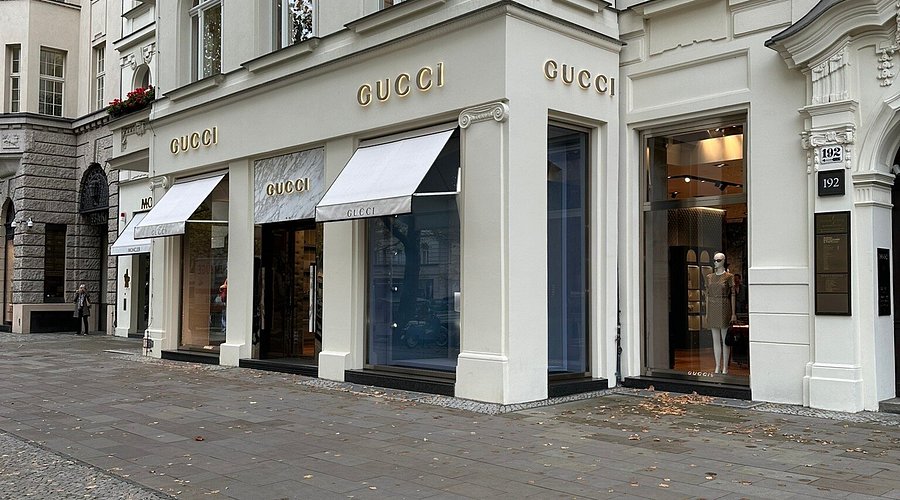
Photo: WWD
A noticeable shift is taking place among the global elite in 2026. While luxury spending remains strong and wealth creation continues at an extraordinary pace, many billionaires and ultra high net worth individuals are moving away from highly visible displays of affluence. Instead, a growing number are embracing what financial experts commonly describe as "stealth wealth" through private ownership structures, discreet asset management strategies, and a more understated approach to luxury living.
This evolution reflects changing attitudes toward wealth, security, reputation management, and long term financial planning. For many of the world's richest individuals, true luxury is no longer defined by public attention. It is increasingly measured by privacy, control, flexibility, and the ability to operate outside the spotlight.
As the stealth wealth movement gains momentum, it is reshaping how wealth is managed, protected, and experienced across generations.
Understanding the Rise of Stealth Wealth
Stealth wealth refers to the practice of maintaining substantial financial resources while minimizing public visibility. Unlike traditional images of wealth characterized by extravagant displays and public recognition, stealth wealth emphasizes discretion and privacy.
Many affluent individuals choose to avoid drawing attention to their assets, lifestyles, and business interests. This approach allows them to enjoy the benefits of wealth without attracting unnecessary scrutiny, public pressure, or security concerns.
In an age of constant digital exposure, the appeal of maintaining a lower profile has become stronger than ever.
Changing Attitudes Among the Wealthy
The modern billionaire increasingly views privacy as a valuable asset. Public visibility can create challenges ranging from security risks to reputational vulnerabilities and unwanted media attention.
As wealth levels continue rising, many individuals are reevaluating how they present themselves to the world. Rather than seeking recognition through luxury purchases or public status symbols, they prioritize personal freedom and financial control.
This change represents a broader cultural shift within affluent circles where discretion is becoming a respected marker of sophistication and success.
Private Ownership Structures Gain Popularity
One of the most important tools supporting the stealth wealth trend is the use of private ownership structures. Wealthy individuals often hold assets through trusts, family offices, holding companies, and other legal entities designed to enhance privacy and streamline asset management.
These structures can help separate personal identities from asset ownership while providing organizational and succession planning benefits. They also allow families to manage complex portfolios more efficiently across multiple jurisdictions.
As wealth becomes increasingly global, private ownership frameworks have become essential components of modern wealth preservation strategies.
Family Offices Become Strategic Command Centers
Family offices play a central role in discreet wealth management. These specialized organizations oversee investments, estate planning, philanthropy, governance, and operational affairs for affluent families.
Unlike traditional financial institutions, family offices provide highly customized services while maintaining strict confidentiality. Their structure enables wealthy individuals to coordinate diverse assets and long term strategies away from public attention.
As the stealth wealth movement expands, family offices continue growing in both influence and sophistication.
Luxury Is Becoming More Private
The concept of luxury itself is evolving. In previous decades, wealth was often associated with visible symbols such as oversized mansions, exotic vehicles, and highly publicized acquisitions.
Today's affluent individuals increasingly value experiences, privacy, and exclusivity over public recognition. Private retreats, invitation only events, bespoke travel arrangements, and personalized services have become more desirable than highly visible status symbols.
For many wealthy families, the greatest luxury is the ability to enjoy life without constant public observation.
Security Concerns Drive Greater Discretion
Security considerations are another major factor contributing to the stealth wealth trend. High profile visibility can increase exposure to various risks including cyber threats, fraud attempts, personal security concerns, and unwanted solicitations.
Maintaining a lower public profile helps reduce these vulnerabilities. Many wealthy individuals actively limit public disclosures regarding their residences, investments, travel plans, and personal affairs.
As technology continues expanding access to information, privacy protection has become a critical component of comprehensive wealth management.
Wealth Preservation Takes Priority
Stealth wealth is often closely connected to long term wealth preservation. Public displays of affluence can create distractions and encourage spending patterns that may not align with multigenerational financial objectives.
Many affluent families focus on preserving capital, supporting future generations, and building sustainable legacies. Discreet financial management encourages disciplined decision making and strategic resource allocation.
This perspective has contributed to the growing popularity of private investment structures and confidential wealth planning frameworks.
The Influence of Next Generation Wealth Holders
Younger generations are playing an important role in shaping the future of wealth management. Many heirs and emerging entrepreneurs place greater emphasis on authenticity, purpose, and privacy than previous generations.
Rather than pursuing recognition through conspicuous consumption, they often prefer investments, experiences, and philanthropic initiatives that align with personal values.
This shift is influencing how family offices operate and how wealth is transferred across generations. The next generation increasingly views discretion as a strategic advantage rather than a limitation.
Digital Exposure Changes the Wealth Equation
Social media and digital technology have transformed the relationship between wealth and visibility. Information travels rapidly, and personal details can become widely accessible within moments.
For affluent individuals, managing digital exposure has become a significant challenge. Many choose to limit public appearances, reduce online footprints, and carefully control information regarding their assets and activities.
The rise of stealth wealth can partly be viewed as a response to the realities of an increasingly connected world.
Real Estate Reflects the Privacy Trend
Luxury real estate markets have also adapted to changing preferences. Wealthy buyers increasingly seek properties designed to maximize privacy through expansive land holdings, gated access, advanced security systems, and secluded locations.
Demand has grown for estates that provide discretion without sacrificing comfort or prestige. In many cases, privacy itself has become one of the most valuable features influencing property valuations.
Developers and architects are responding by creating residences that prioritize security, exclusivity, and personal sanctuary.
Philanthropy Becomes More Discreet
Another notable aspect of the stealth wealth movement is the growing preference for private philanthropy. Many wealthy individuals continue making substantial charitable contributions but choose to do so without extensive publicity.
Anonymous donations, private foundations, and carefully structured charitable initiatives allow families to support important causes while maintaining discretion.
This approach reflects a broader desire to focus on impact rather than public recognition.
The Future of Wealth May Be Less Visible
The continued growth of stealth wealth suggests that the future of affluence may look very different from traditional stereotypes. While wealth creation remains a powerful force within the global economy, the ways in which wealth is managed and expressed are evolving rapidly.
Privacy, flexibility, security, and long term planning are increasingly becoming the defining characteristics of successful wealth management. Public displays of luxury are no longer the primary indicators of financial success among the world's richest individuals.
Instead, true influence often operates quietly behind carefully structured ownership frameworks and sophisticated management systems.
A New Definition of Modern Wealth
The rise of stealth wealth represents more than a financial trend. It reflects a fundamental change in how affluent individuals view success, security, and legacy. As billionaires and wealthy families prioritize discretion over visibility, they are redefining the relationship between wealth and public perception.
Private ownership structures, family offices, discreet investments, and confidential asset management strategies are becoming central pillars of modern wealth preservation. In a world where information is increasingly public, privacy itself has become one of the most valuable luxuries money can buy.
For today's global elite, the greatest display of wealth may no longer be what others can see. It may be what remains intentionally hidden from view.



Subscribe to unlock premium content
Sed at tellus, pharetra lacus, aenean risus non nisl ultricies commodo diam aliquet arcu enim eu leo porttitor habitasse adipiscing porttitor varius ultricies facilisis viverra lacus neque.
A comprehensive guide on Agile development

10 Productivity tools that are worth checking out

Top 7 Must have management tools for productivity

A comprehensive guide on Agile development
10 Productivity tools that are worth checking out
A comprehensive guide on Agile development