

Fine Art Auction Markets Reach New Highs as Ultra Rich Investors Compete Fiercely Across Global Sales
By
Sophie Moore
Last updated:
April 29, 2026
First Published:
April 29, 2026


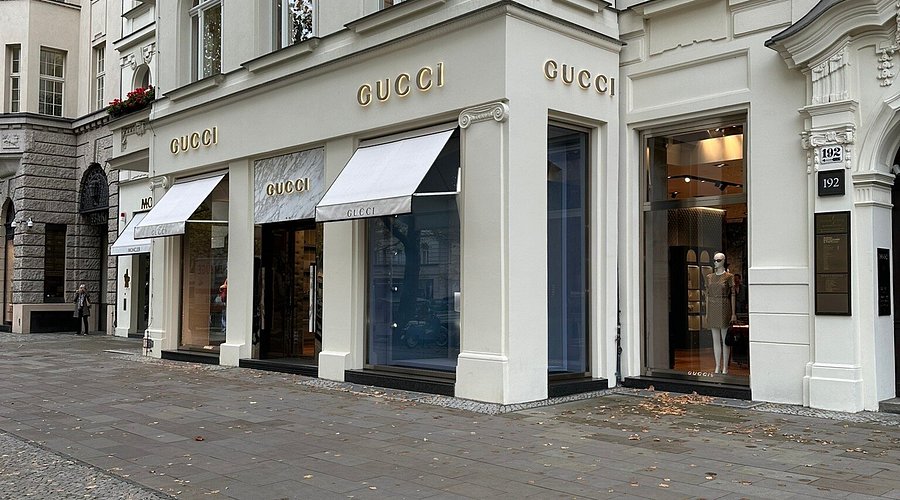
Photo: Observer
The global fine art auction market is entering a new phase of heightened activity as ultra wealthy investors compete aggressively for rare and historically significant pieces. Recent sales cycles have shown consistent upward pressure on pricing, driven by limited supply of blue chip artworks and expanding global demand from private collectors.
Auction houses in major cultural capitals have reported unusually strong participation from new categories of buyers, particularly individuals who have accumulated significant wealth through technology, finance, and digital industries. These participants are reshaping traditional bidding dynamics by entering auctions with higher initial thresholds and faster decision making patterns.
One of the most notable developments is the increasing concentration of bidding power among a smaller group of global elite collectors. Instead of broad participation across many mid level bidders, auctions are now often dominated by a handful of determined buyers competing for the same trophy assets.
This shift has resulted in faster escalation of prices during live auctions. In several recent events, major works have surpassed estimated valuations within minutes, reflecting both scarcity of supply and heightened emotional and status driven demand among collectors.
Another important factor influencing this market is the growing role of private previews and exclusive viewing sessions. High value clients are often given early access to catalogues and private showings, allowing them to prepare acquisition strategies before public bidding begins.
The fine art segment is also benefiting from increased cross border participation. Wealthy collectors are no longer confined to regional markets and are actively participating in auctions across Europe, North America, and Asia simultaneously through advanced digital bidding platforms.
At the same time, art is increasingly being viewed as a long term store of value. Many ultra wealthy individuals are diversifying portfolios by acquiring museum grade pieces that carry both cultural significance and strong historical appreciation potential.
Auction houses have responded to this demand by strengthening authentication processes and provenance verification systems. As competition increases, ensuring legitimacy and historical accuracy of artworks has become a critical factor in maintaining market trust and stability.
There is also a visible trend toward private sales outside traditional auction rooms. Some of the highest value transactions are now occurring through discreet negotiations facilitated by intermediaries, reducing public visibility while still achieving record breaking valuations.
Cultural institutions and private museums are playing a growing role in shaping demand. Wealthy collectors are increasingly motivated by legacy building, seeking artworks that can later be displayed in foundations or long term cultural collections.
Digital transformation has further accelerated market activity. Online bidding platforms and virtual previews have expanded global access, allowing collectors to participate in high stakes auctions without physical presence, which has significantly widened the competitive pool.
As the market continues to evolve, fine art auctions are becoming more than transactional events. They now function as global arenas of prestige, influence, and wealth signaling, where ownership of a single masterpiece represents both cultural capital and financial strength.



Subscribe to unlock premium content
Sed at tellus, pharetra lacus, aenean risus non nisl ultricies commodo diam aliquet arcu enim eu leo porttitor habitasse adipiscing porttitor varius ultricies facilisis viverra lacus neque.
A comprehensive guide on Agile development

10 Productivity tools that are worth checking out

Top 7 Must have management tools for productivity

A comprehensive guide on Agile development
10 Productivity tools that are worth checking out
A comprehensive guide on Agile development