

Luxury Watch Industry Faces Supply Shock as Limited Edition Timepieces Sell Out Within Minutes Globally
By
John Carter
Last updated:
April 29, 2026
First Published:
April 29, 2026


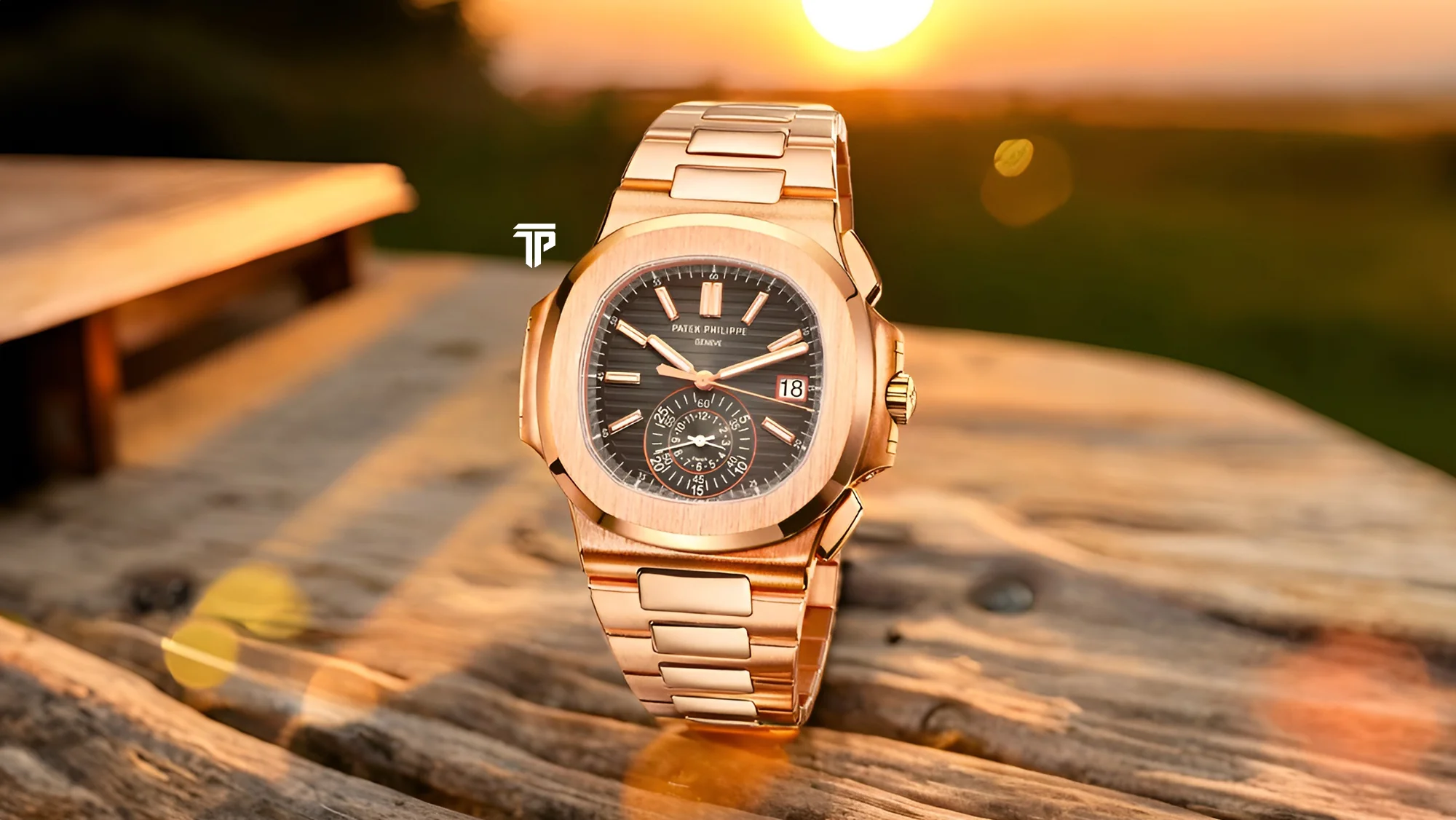
The global luxury watch industry is experiencing a renewed supply shock as limited edition timepieces continue to sell out almost instantly upon release. This phenomenon is reshaping how collectors, brands, and secondary markets interact, with scarcity becoming the central force driving value rather than traditional craftsmanship narratives alone.
Across Switzerland and other key horology hubs, manufacturers have maintained tightly controlled production volumes for high end models. However, demand from global collectors has expanded far beyond historical expectations. This imbalance between supply and demand is creating immediate sell out cycles, often within minutes of digital or boutique releases.
A growing driver of this trend is the rise of international collectors who treat luxury watches not only as accessories but as financial and cultural assets. These buyers are highly informed, tracking release calendars, auction previews, and boutique allocations with precision that mirrors institutional investment behavior.
Boutique allocations have become increasingly restricted, with many brands prioritizing long term clients and private collectors. This has intensified competition at the point of sale, where even established customers are finding it difficult to secure new limited releases without prior reservation history.
At the same time, secondary markets are reacting quickly to this scarcity. Certain models are appearing at significantly higher premiums almost immediately after release, reflecting speculative demand as well as genuine collector interest. This has reinforced the perception of luxury watches as alternative stores of value.
Auction houses have also reported heightened bidding intensity for rare and discontinued pieces. Timepieces with unique complications, historical significance, or limited production runs are attracting global participation, often pushing final sale prices well beyond initial estimates.
Another notable shift is the increasing influence of digital platforms on the watch market. Online drops and global release announcements have replaced traditional localized launches, allowing demand to concentrate instantly across multiple regions at the same time.
This digital acceleration has created a situation where availability windows are extremely narrow. In many cases, collectors are required to act within seconds of release notifications, further amplifying the perception of exclusivity and urgency surrounding new models.
Luxury watch brands are responding by reinforcing artificial scarcity models, carefully calibrating production to maintain long term desirability. Rather than expanding supply to meet demand, many houses are intentionally preserving low output to protect brand positioning in the ultra luxury segment.
The supply shock is also influencing design direction. Manufacturers are increasingly focusing on complex craftsmanship, unique materials, and collaboration based editions that further limit production scalability while enhancing collector appeal.
Despite these constraints, the global appetite for high end horology shows no signs of slowing. Emerging wealth segments, particularly from technology and finance sectors, continue to enter the market with strong purchasing power and a preference for rare, statement level pieces.
As this cycle continues, the luxury watch industry is transitioning into a highly competitive ecosystem where ownership is defined as much by access and timing as by financial capacity. Scarcity has effectively become the defining currency of modern horology.

Subscribe to unlock premium content
Sed at tellus, pharetra lacus, aenean risus non nisl ultricies commodo diam aliquet arcu enim eu leo porttitor habitasse adipiscing porttitor varius ultricies facilisis viverra lacus neque.
A comprehensive guide on Agile development

10 Productivity tools that are worth checking out

Top 7 Must have management tools for productivity

A comprehensive guide on Agile development
10 Productivity tools that are worth checking out
A comprehensive guide on Agile development