
From Ownership to Access: Why the Wealthy Are Embracing Membership Based Luxury Ecosystems
By
Sophie Moore
Last updated:
June 3, 2026
First Published:
June 3, 2026


A Structural Shift in Luxury Consumption
Luxury consumption has historically been rooted in ownership. Whether it was luxury watches, high end automobiles, private estates, or rare art, the status associated with wealth was often expressed through what one owned. However, a noticeable transformation is underway among high net worth individuals.
A growing number of affluent consumers are now prioritizing access over ownership. Instead of purchasing assets outright, they are investing in membership based luxury ecosystems that provide curated experiences, exclusive services, and continuous privileges.
This shift reflects deeper changes in lifestyle preferences, technology adoption, and the evolving definition of prestige in modern society.
The Rise of Access Driven Luxury
Access driven luxury refers to systems where individuals pay for entry into exclusive networks rather than acquiring physical assets. These ecosystems often include private clubs, invitation only communities, elite travel programs, curated wellness networks, and concierge based lifestyle platforms.
The appeal lies in flexibility and personalization. Rather than being tied to a single property or possession, members gain the ability to experience multiple luxury offerings across different locations and categories.
This model aligns with the increasingly mobile and global lifestyle of wealthy individuals who frequently travel and operate across multiple regions.
Why Ownership Is Losing Relative Importance
For many affluent consumers, ownership is no longer the primary indicator of status. In some cases, it has become less practical due to maintenance requirements, management complexity, and shifting lifestyle priorities.
High net worth individuals often manage multiple residences, businesses, and commitments. As a result, they value services that simplify life rather than add additional responsibilities.
Access based luxury provides convenience by removing the burdens associated with ownership while still delivering high levels of exclusivity and personalization.
Private Membership Clubs Lead the Trend
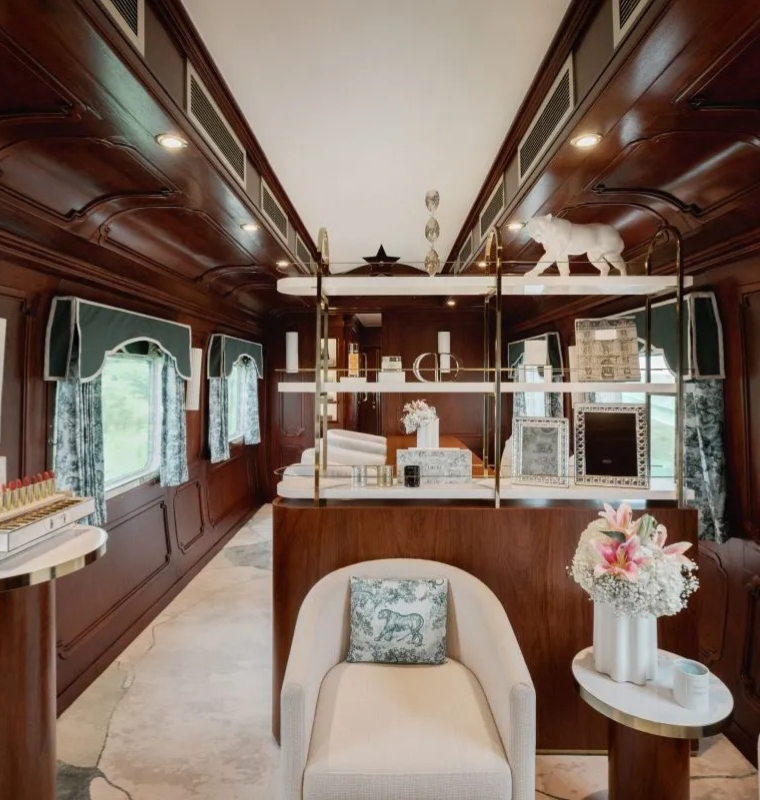
One of the most visible examples of this shift is the rapid expansion of private membership clubs. These clubs offer curated environments where affluent members can socialize, work, relax, and network.
Unlike traditional institutions, modern private clubs often emphasize design, technology integration, wellness, and global connectivity. Members may gain access to locations in multiple cities around the world through a single membership structure.
These spaces have become important hubs for entrepreneurs, investors, creatives, and executives seeking both privacy and professional opportunities.
Concierge Platforms Redefine Convenience
Luxury concierge services are also evolving into comprehensive lifestyle management platforms. Instead of simply booking travel or reservations, these systems now manage entire aspects of a member’s life.
Services may include travel planning, event access, wellness coordination, personal shopping, and exclusive experience curation. Artificial intelligence and data driven personalization are increasingly used to anticipate member needs.
This level of service creates a seamless experience where individuals can delegate time consuming tasks and focus on higher value activities.
The Influence of Global Mobility
Global mobility plays a significant role in the popularity of access based luxury ecosystems. Wealthy individuals often move between countries for business, leisure, and family reasons.
Ownership of fixed assets in one location may not align with this lifestyle. Membership systems provide flexibility by granting access to services and spaces in multiple regions without requiring permanent commitments.
This adaptability makes access driven models particularly attractive to internationally active entrepreneurs and investors.
Exclusivity Remains the Core Value
Although the model has shifted from ownership to access, exclusivity remains central to luxury appeal. In fact, membership based systems often intensify exclusivity by restricting entry through invitation, vetting processes, or high financial thresholds.
Scarcity of access becomes the defining feature, ensuring that membership itself is a status symbol. In many cases, belonging to the network is more prestigious than any single item that could be purchased.
This reinforces the social dimension of luxury, where inclusion and recognition matter as much as material value.
Technology Enables Personalized Access
Advanced technology is a key enabler of modern luxury ecosystems. Digital platforms allow members to manage preferences, receive tailored recommendations, and access services seamlessly across multiple locations.
Data analytics helps providers understand individual behavior and deliver highly customized experiences. Artificial intelligence further enhances this by predicting needs and automating routine interactions.
These systems create a sense of effortless luxury where services appear intuitive and responsive.
The Evolution of Luxury Real Estate
Even luxury real estate is adapting to this shift. Branded residences and fractional ownership models are becoming more common, offering access to premium living spaces without full ownership responsibilities.
Residents may rotate between properties or gain access to global networks of luxury homes through membership programs. This approach combines the benefits of high end living with flexibility and reduced management obligations.
It reflects a broader trend toward shared access rather than exclusive possession.
Social Status in a Networked World
In a globally connected environment, social status is increasingly defined by networks rather than possessions. Who you can access, where you can go, and what experiences you can unlock are becoming more important indicators of influence.
Membership based luxury ecosystems capitalize on this shift by offering curated communities of high net worth individuals. These networks often facilitate business opportunities, partnerships, and cultural exchange.
As a result, luxury is becoming as much about connection as it is about consumption.
Challenges of the Access Economy
Despite its advantages, the access based model presents challenges. Maintaining consistent quality across locations, preserving exclusivity at scale, and ensuring long term member satisfaction require significant operational discipline.
There is also the risk of over expansion, where increased availability can dilute the exclusivity that defines luxury appeal. Providers must carefully balance growth with scarcity.
Trust, service quality, and brand integrity remain critical factors for success in this evolving market.
The Future of Luxury Consumption
The shift from ownership to access is likely to continue as consumer behavior evolves. Younger affluent generations, in particular, are more inclined toward experiences, flexibility, and digital integration.
Luxury ecosystems will likely become more interconnected, combining travel, wellness, networking, and lifestyle services into unified membership platforms.
This evolution suggests a future where luxury is defined less by what is owned and more by what is experienced and accessed.
The rise of membership based luxury ecosystems represents a fundamental change in how affluent consumers engage with wealth. Ownership is no longer the sole measure of status, as access, exclusivity, and experience gain greater importance.
As global mobility increases and technology advances, access driven luxury models are expected to expand further. For the wealthy, the true value of luxury is increasingly found not in possession, but in belonging to curated worlds of privilege, opportunity, and experience.



Subscribe to unlock premium content
Sed at tellus, pharetra lacus, aenean risus non nisl ultricies commodo diam aliquet arcu enim eu leo porttitor habitasse adipiscing porttitor varius ultricies facilisis viverra lacus neque.
A comprehensive guide on Agile development

10 Productivity tools that are worth checking out

Top 7 Must have management tools for productivity

A comprehensive guide on Agile development
10 Productivity tools that are worth checking out
A comprehensive guide on Agile development