
Luxury Fashion Houses Expand Into Hospitality as Affluent Consumers Seek Brand Immersion
By
Maya K.
Last updated:
June 3, 2026
First Published:
June 3, 2026

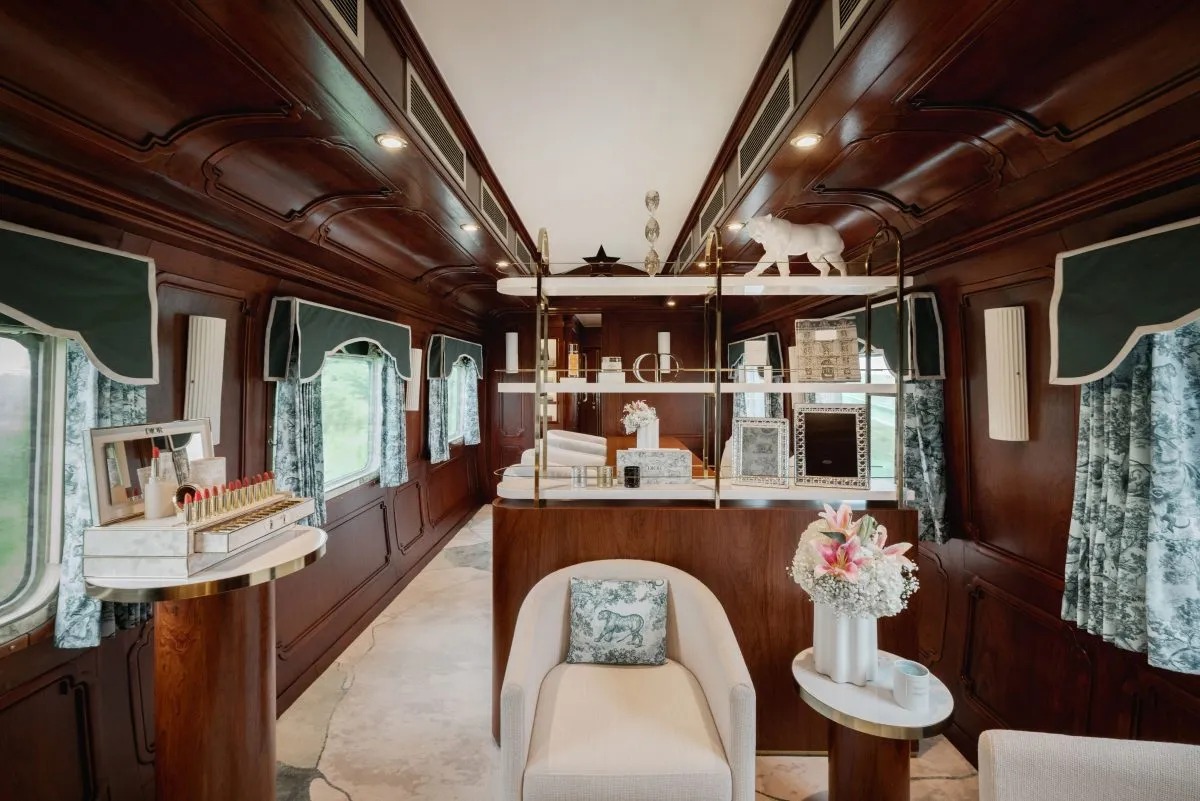
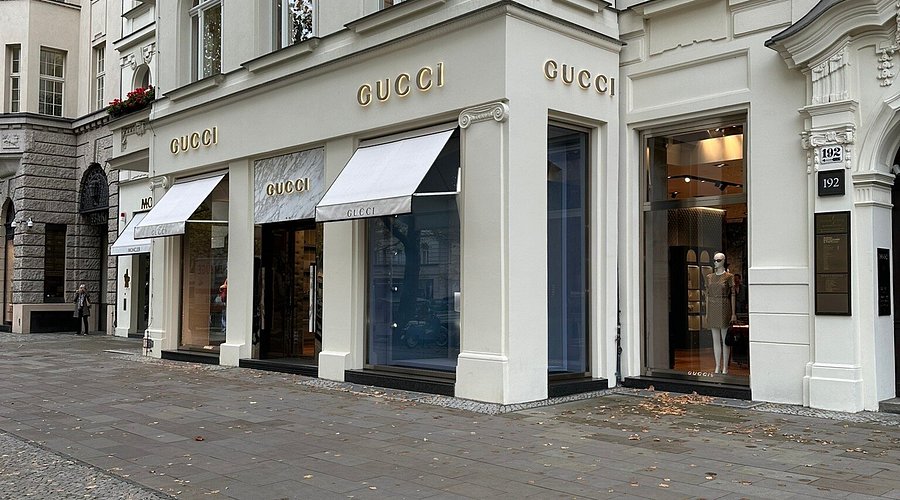
Photo: ATQ News
Luxury Is No Longer Limited to Fashion
For decades, the world's most prestigious fashion houses built their reputations through exceptional craftsmanship, iconic designs, and exclusive products. Their influence extended across clothing, accessories, jewelry, and beauty categories, helping shape the global luxury industry.
Today, however, luxury brands are pursuing a much broader vision. Rather than focusing solely on products, many are creating immersive lifestyle experiences that allow consumers to engage with their brands in entirely new ways. Hospitality has become one of the most attractive opportunities within this transformation.
Luxury hotels, branded residences, private clubs, and curated travel experiences are becoming powerful tools for fashion houses seeking deeper connections with affluent consumers. This shift reflects a growing desire among wealthy individuals to experience luxury rather than simply purchase it.
The Rise of Experiential Luxury
Consumer preferences have evolved significantly over the past decade. While ownership remains important, many affluent individuals increasingly value memorable experiences that create emotional connections and lasting impressions.
Luxury brands have recognized this change and are adapting accordingly. Hospitality provides an ideal platform for delivering immersive experiences that extend brand identity beyond traditional retail environments.
When guests stay at a branded property, every detail can reflect the values, aesthetics, and philosophy of the fashion house behind it. From interior design and dining concepts to service standards and guest experiences, the brand becomes part of daily life.
Creating Complete Lifestyle Ecosystems
Many luxury companies now view themselves as lifestyle brands rather than product manufacturers. Their goal is to influence multiple aspects of how affluent consumers live, travel, and interact with the world.
Hospitality allows fashion houses to create comprehensive ecosystems where guests can experience a brand across numerous touchpoints. A visitor may encounter the brand through architecture, furnishings, wellness programs, culinary offerings, and personalized services.
This holistic approach strengthens consumer loyalty by transforming a brand from something people wear into something they actively experience and remember.
Strengthening Emotional Connections With Consumers
One of the greatest advantages of hospitality is the opportunity to build stronger emotional relationships with customers. Traditional retail interactions are often brief and transactional.
A hotel stay, by contrast, may last several days or even weeks. During that time, guests engage continuously with the brand environment. Every interaction contributes to a deeper understanding of the brand's identity and values.
These experiences often create powerful emotional associations that can influence future purchasing decisions and strengthen long term loyalty among affluent consumers.
Hospitality Offers New Revenue Opportunities
The expansion into hospitality is not driven solely by branding considerations. It also represents a significant business opportunity.
Luxury travel continues to attract strong demand from wealthy consumers seeking exceptional experiences and personalized service. By entering the hospitality sector, fashion houses can access new revenue streams while leveraging their existing brand equity.
This diversification helps reduce dependence on traditional product categories and creates additional opportunities for growth in an increasingly competitive luxury market.
Wealthy Travelers Seek Unique Experiences
Affluent travelers today often prioritize authenticity, exclusivity, and personalization. Standard luxury accommodations may no longer satisfy consumers who are looking for distinctive experiences that reflect their personal tastes and lifestyles.
Fashion branded hospitality ventures are uniquely positioned to meet these expectations. They offer carefully curated environments that embody specific design philosophies and cultural perspectives.
For guests who admire a particular luxury brand, staying at a branded property provides an opportunity to immerse themselves in that world in a meaningful and memorable way.
Design Excellence Becomes a Competitive Advantage
Luxury fashion houses possess extensive expertise in aesthetics, creativity, and attention to detail. These strengths translate naturally into hospitality environments.
Branded hotels and residences often feature distinctive architectural concepts, sophisticated interiors, and carefully selected materials that reflect the visual identity of the parent brand. Every element is designed to create a cohesive and recognizable experience.
This commitment to design excellence helps differentiate branded properties from competitors while reinforcing the exclusivity associated with luxury fashion.
Personalized Service Defines Modern Luxury
Exceptional service remains one of the most important components of luxury hospitality. Fashion brands entering the sector understand that affluent guests expect experiences tailored to their individual preferences.
Advanced technology, guest profiling, and highly trained staff allow branded properties to deliver personalized experiences at every stage of the customer journey. From customized dining options to curated local experiences, personalization has become a defining characteristic of premium hospitality.
These capabilities align closely with the expectations of wealthy consumers who increasingly value convenience, recognition, and attention to detail.
Branded Residences Gain Popularity
Beyond hotels, many fashion houses are expanding into luxury residential developments. Branded residences allow affluent buyers to live within environments that reflect the design principles and lifestyle values of their preferred brands.
These properties often include exclusive amenities, concierge services, wellness facilities, and access to curated experiences. Buyers are attracted not only by the physical residences but also by the prestige associated with the brand.
As demand for luxury real estate continues to evolve, branded residential projects are becoming an increasingly important segment of the hospitality landscape.
The Influence of Global Wealth Growth
The expansion of luxury hospitality is also being supported by the growth of affluent populations in key markets around the world. Rising wealth levels have increased demand for premium travel experiences and exclusive lifestyle offerings.
Fashion brands see significant opportunities to serve these consumers through hospitality ventures that combine luxury, design, and personalized service. The ability to engage customers across multiple aspects of their lives creates powerful competitive advantages.
As global wealth continues to expand, the market for immersive luxury experiences is expected to remain strong.
Challenges and Strategic Considerations
Despite the opportunities, entering the hospitality sector presents challenges. Operating hotels and residential properties requires specialized expertise, substantial investment, and a commitment to maintaining consistent service standards.
Luxury brands must ensure that hospitality ventures reflect the quality and exclusivity associated with their reputations. Any shortcomings can affect consumer perceptions across the broader brand portfolio.
Successful companies typically approach hospitality as a long term strategic initiative rather than a short term expansion effort.
The Future of Luxury Brand Experiences
The relationship between luxury fashion and hospitality is likely to become even stronger in the coming years. As consumer expectations continue to evolve, brands will seek new ways to create meaningful and immersive experiences.
Future developments may include expanded wellness offerings, personalized travel programs, private membership communities, and innovative lifestyle services designed specifically for affluent audiences.
The distinction between products and experiences is becoming increasingly blurred, creating new opportunities for luxury brands to redefine their role in consumers' lives.
The expansion of luxury fashion houses into hospitality reflects a broader transformation within the luxury industry. Affluent consumers are seeking deeper engagement with the brands they admire, and hospitality provides a powerful platform for delivering those experiences.
By combining design excellence, personalized service, and immersive environments, fashion brands are creating comprehensive lifestyle ecosystems that extend far beyond traditional retail. As experiential luxury continues to gain importance, hospitality is poised to become one of the most influential areas of growth for the world's leading luxury brands.

Subscribe to unlock premium content
Sed at tellus, pharetra lacus, aenean risus non nisl ultricies commodo diam aliquet arcu enim eu leo porttitor habitasse adipiscing porttitor varius ultricies facilisis viverra lacus neque.
A comprehensive guide on Agile development

10 Productivity tools that are worth checking out

Top 7 Must have management tools for productivity

A comprehensive guide on Agile development
10 Productivity tools that are worth checking out
A comprehensive guide on Agile development