

From Trophy Homes to Global Mobility
By
Sophie Moore
Last updated:
May 31, 2026
First Published:
May 31, 2026


Luxury living in 2026 is increasingly defined by movement rather than permanence. In the period around the end of May and start of June, ultra high net worth individuals are shifting away from the traditional idea of a single grand residence and instead embracing a distributed lifestyle model that spans multiple countries and continents.
This shift reflects a deeper transformation in how wealth is experienced. Instead of investing heavily in one primary estate, affluent individuals are allocating capital across a network of residences, private aviation access points, and serviced luxury properties that allow them to live seamlessly across borders.
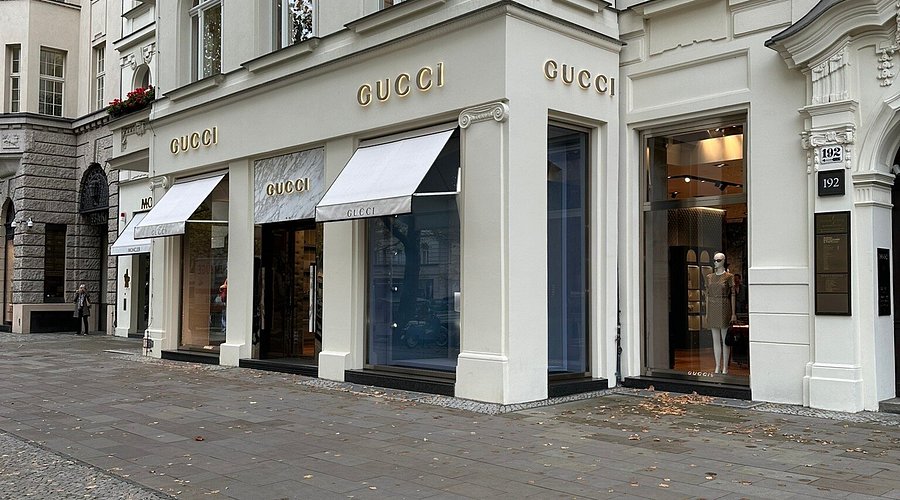
The concept of the trophy home is evolving. While landmark properties in cities like London, Dubai, and New York remain symbols of status, they are now part of a wider portfolio rather than the center of personal life. These properties are often used seasonally or strategically rather than as permanent residences.
A major driver of this transformation is the rise of private aviation and on demand mobility services. Companies such as NetJets have made it easier for wealthy individuals to move between global destinations with flexibility and efficiency. This has fundamentally changed the relationship between time, distance, and residence.
Global mobility platforms are also influencing how luxury lifestyles are structured. High end travelers now expect seamless transitions between properties, with synchronized concierge services, security coordination, and personalized amenities available in every location they visit.
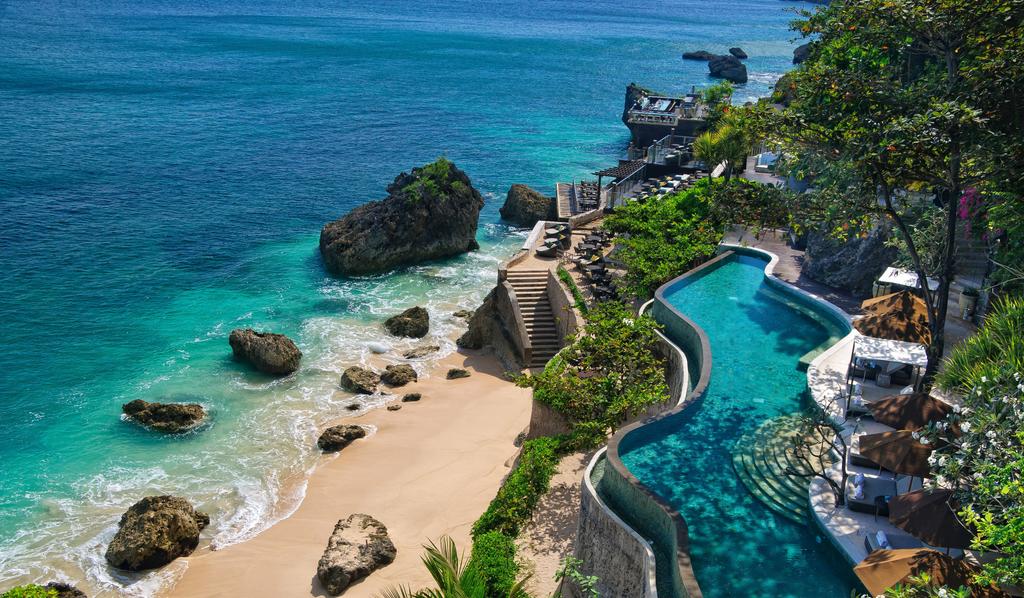
Another important factor is the growth of serviced luxury living. Premium developments in major cities now operate like hybrid environments that combine residential privacy with hotel level services. These include housekeeping, private chefs, wellness facilities, and dedicated lifestyle managers.
Technology is playing a central role in enabling this borderless lifestyle. Smart home systems allow individuals to control multiple residences remotely, adjusting security, climate, and service preferences from anywhere in the world. This creates a sense of continuity across different living environments.
The idea of citizenship and residency is also becoming more flexible among the global elite. Wealthy individuals are increasingly diversifying their legal and tax residency structures to optimize mobility, reduce friction, and gain access to multiple economic regions.
Real estate developers are responding to this shift by designing properties that are optimized for part time occupancy. These homes prioritize security, automation, and low maintenance luxury, ensuring that properties remain fully functional even when owners are absent for long periods.
The hospitality sector is also adapting. Luxury hotel brands are offering long stay private residences that combine the privacy of a home with the services of a five star hotel. This model is particularly attractive to individuals who prioritize flexibility over permanent ownership.
Private aviation hubs, exclusive terminals, and luxury transport ecosystems are becoming central components of this lifestyle. These infrastructure networks are effectively replacing the idea of a single home base with a multi node global living system.
Looking forward, luxury living is expected to become even more decentralized. The distinction between home, hotel, and travel will continue to blur as ultra wealthy individuals design lives that are optimized for global movement rather than geographic stability.


Subscribe to unlock premium content
Sed at tellus, pharetra lacus, aenean risus non nisl ultricies commodo diam aliquet arcu enim eu leo porttitor habitasse adipiscing porttitor varius ultricies facilisis viverra lacus neque.
A comprehensive guide on Agile development

10 Productivity tools that are worth checking out

Top 7 Must have management tools for productivity

A comprehensive guide on Agile development
10 Productivity tools that are worth checking out
A comprehensive guide on Agile development