
Inside the Beauty Habits of the One Percent in 2026
By
Maya K.
Last updated:
May 31, 2026
First Published:
May 31, 2026

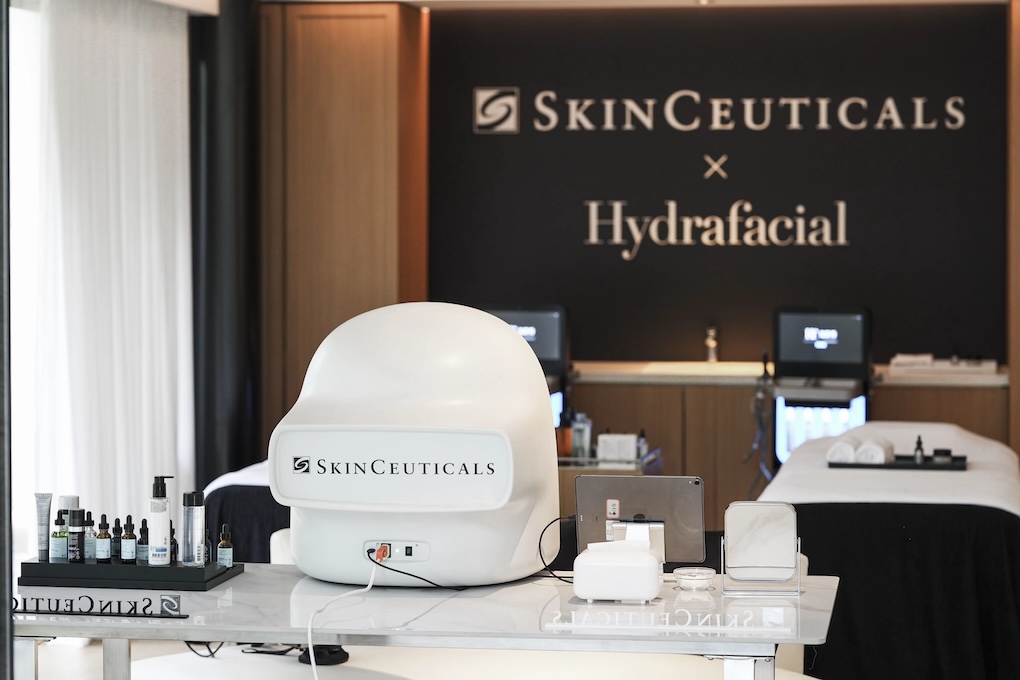
Photo: Moodie Davitt Report
Luxury beauty consumption is evolving into a highly specialized segment of the global wellness economy. Around late May to early June 2026, affluent consumers are increasingly moving away from mass luxury products and toward deeply personalized, science driven, and experience rich beauty solutions that reflect status, health optimization, and lifestyle precision.
The modern ultra wealthy consumer no longer views beauty as simple cosmetic enhancement. Instead, it has become an integrated part of long term wellness strategy. This includes skin longevity treatments, biometric based skincare planning, and highly curated fragrance development that aligns with individual identity and lifestyle patterns.
High end beauty houses such as Estée Lauder are expanding their luxury skincare portfolios with advanced formulations designed for aging prevention and skin regeneration. These offerings are increasingly supported by dermatological research and AI assisted skin analysis tools.
Similarly, L'Oréal is investing heavily in personalized beauty technology, including diagnostic devices that allow users to receive tailored skincare recommendations based on real time biological data. This marks a shift from generic product lines to adaptive beauty systems.
A major trend among the wealthiest consumers is the rise of bespoke fragrance creation. Instead of purchasing standard perfumes, clients now collaborate with master perfumers to develop signature scents that are exclusive and individually owned. These fragrances often require multiple consultation sessions and detailed sensory profiling.
Luxury skincare clinics have also become central to elite beauty routines. These clinics offer treatments that combine dermatology, regenerative medicine, and aesthetic enhancement. Procedures such as collagen stimulation therapies, non invasive lifting treatments, and genetic based skincare programs are increasingly common among high net worth individuals.
Another defining feature of elite beauty habits is time efficiency. Wealthy clients are prioritizing treatments that deliver long lasting results with minimal downtime. This has led to increased demand for advanced laser therapies, cellular repair technologies, and combination treatments that integrate multiple benefits in a single session.
Privacy remains a critical factor in luxury beauty consumption. High profile individuals prefer private clinics, members only wellness centers, and in home treatment services. This ensures confidentiality while maintaining consistent access to high quality care and personal wellness experts.
Digital integration is also reshaping the beauty experience. AI powered consultation platforms and virtual skin diagnostics allow clients to begin their treatment journey remotely before transitioning into in person care. This hybrid model enhances personalization while maintaining convenience.
Wellness travel has become closely linked with luxury beauty habits. Exclusive resorts now offer multi day rejuvenation programs that combine nutrition planning, skincare treatments, fitness optimization, and mental wellness therapies. These immersive experiences are designed for complete lifestyle reset rather than short term relaxation.
Sustainability is increasingly influencing purchasing behavior among wealthy consumers. Many luxury beauty brands are shifting toward ethically sourced ingredients, refillable packaging systems, and environmentally responsible production methods. However, performance and exclusivity remain the primary decision drivers.
Looking forward, the beauty habits of the ultra wealthy are expected to become even more technologically advanced and personalized. The convergence of biotechnology, artificial intelligence, and luxury wellness services will continue to redefine how beauty is experienced, making it a core component of elite lifestyle architecture.


Subscribe to unlock premium content
Sed at tellus, pharetra lacus, aenean risus non nisl ultricies commodo diam aliquet arcu enim eu leo porttitor habitasse adipiscing porttitor varius ultricies facilisis viverra lacus neque.
A comprehensive guide on Agile development

10 Productivity tools that are worth checking out
Top 7 Must have management tools for productivity

A comprehensive guide on Agile development
10 Productivity tools that are worth checking out
A comprehensive guide on Agile development