
Geneva Watch Week 2026 Sees Independent Haute Horlogerie Houses Sell Out Limited Edition Timepieces Within Hours to Private Collectors
By
Maya K.
Last updated:
May 21, 2026
First Published:
May 21, 2026

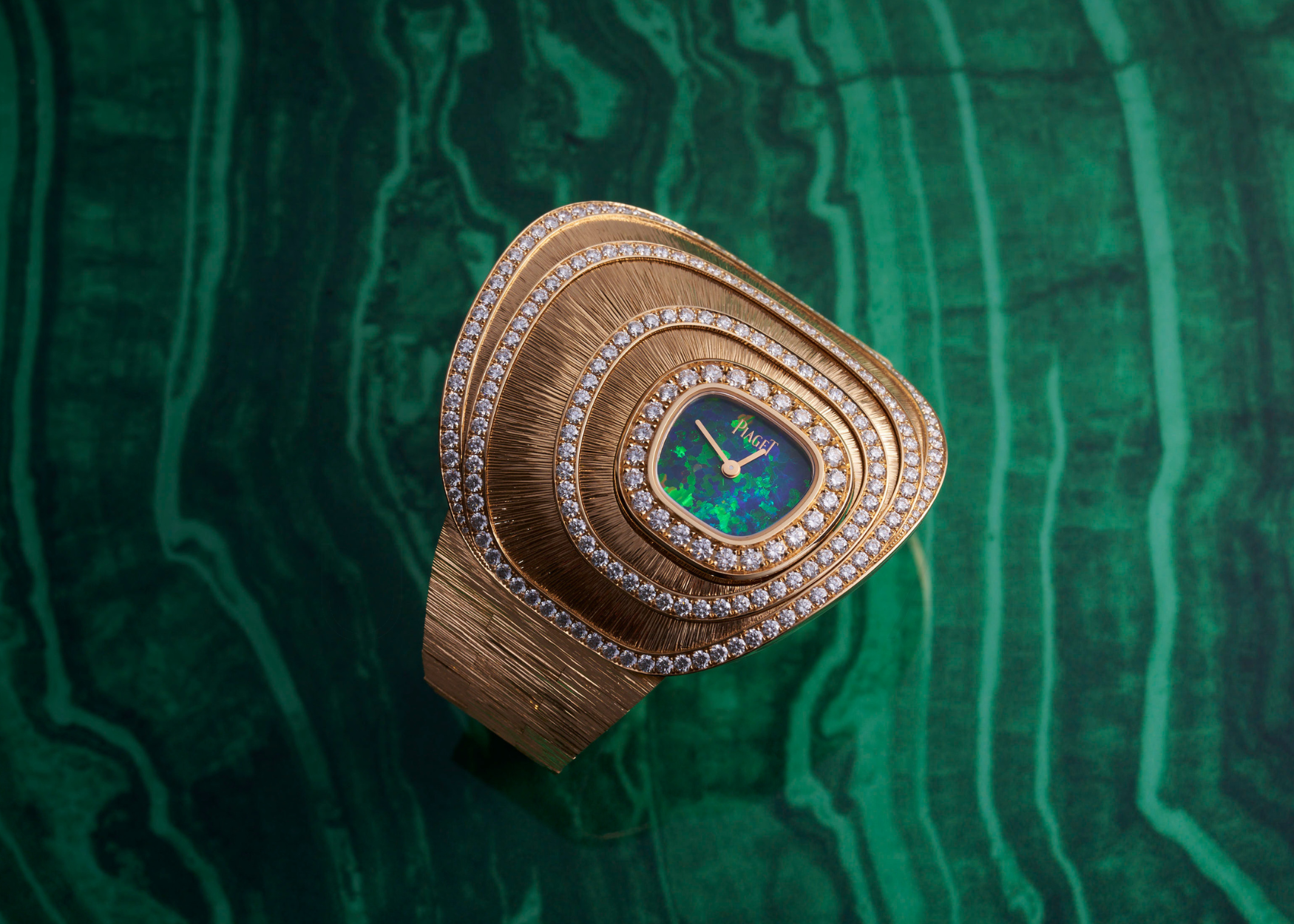
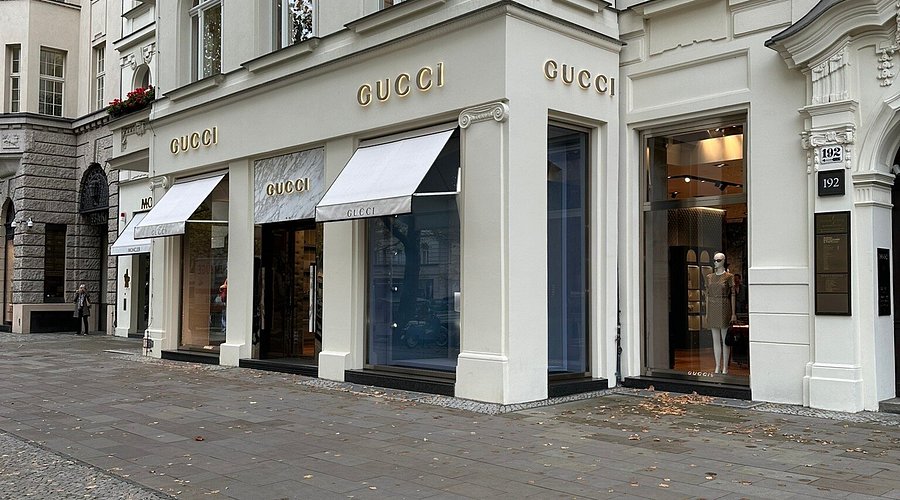
Photo: Boulevard.co
Geneva as the Global Epicenter of Horological Desire
Geneva Watch Week 2026 has reinforced its position as the most influential stage for independent haute horlogerie. The event is no longer just a showcase of craftsmanship but a high velocity marketplace where rare creations transition from unveiling to full allocation in a matter of hours. Independent watchmakers are experiencing unprecedented attention from global private collectors.
Immediate Absorption of Limited Production Pieces
One of the most striking developments is the speed at which limited edition timepieces are being fully allocated. Many independent houses are producing extremely small batches and pre qualifying buyers before public reveal. As a result, watches are effectively committed before they physically reach display cases, creating a closed loop of demand and exclusivity.
The Rise of Collector First Distribution Models
Traditional retail distribution is being replaced by collector first allocation systems. Brands are prioritizing long standing clients, private collectors, and museum level patrons over open market availability. This shift has transformed watch launches into curated events rather than public sales opportunities.
Independent Watchmakers Gaining Prestige Over Mass Luxury Houses
Independent horology houses are gaining momentum as serious competitors to established luxury conglomerates. Collectors increasingly value narrative driven craftsmanship, mechanical innovation, and artisanal production methods over brand scale. This has elevated smaller ateliers into the highest tier of desirability.
Craftsmanship as a Scarcity Engine
The core driver of demand remains craftsmanship intensity. Many of the timepieces presented at Geneva Watch Week 2026 involve hundreds of hours of hand finishing, micro mechanical engineering, and experimental material use. This production complexity naturally limits supply, reinforcing scarcity as a defining value factor.
Private Allocation Networks and Invitation Based Access
Access to new releases is increasingly governed by private allocation networks. Invitations are extended through confidential client lists, collector relationships, and advisory firms specializing in luxury acquisitions. For many buyers, the invitation itself carries symbolic status equal to the watch.
Emotional Investment in Mechanical Art
Collectors are demonstrating a stronger emotional connection to mechanical horology. These timepieces are viewed not just as instruments of time but as portable artworks and intellectual achievements. This emotional framing significantly increases willingness to commit quickly during release windows.
Secondary Market Pressure and Instant Value Expansion
The secondary market for rare watches is reacting almost instantly to Geneva releases. Within hours of allocation closure, some models are already appearing in private resale negotiations at elevated valuations. This rapid appreciation cycle reinforces urgency among collectors during initial access.
The Influence of Global Wealth Mobility
Wealth mobility is shaping buying behavior in horology as much as design itself. Collectors from technology, finance, and private asset sectors are participating simultaneously across time zones. This global synchronized demand compresses release timelines and intensifies competition for limited pieces.
Design Philosophy Moving Toward Radical Exclusivity
Independent houses are increasingly embracing radical exclusivity in design philosophy. Instead of scaling production, many are intentionally reducing output to maintain narrative integrity and collector intimacy. This approach is redefining what it means to be a luxury watchmaker in 2026.
Geneva Watch Week as a Closed Luxury Ecosystem
The event has evolved into a semi closed ecosystem where discovery, allocation, and acquisition occur within tightly managed circles. Public visibility still exists, but the true market movement happens behind private consultations and collector channels. This dual structure is now central to its global influence.
Outlook for Independent Haute Horlogerie
The trajectory of independent watchmaking suggests continued dominance of scarcity driven luxury. As collectors prioritize rarity, craftsmanship depth, and exclusivity, independent houses are positioned to further consolidate influence. Geneva Watch Week will likely remain the central hub where this evolving hierarchy is defined and reinforced.


Subscribe to unlock premium content
Sed at tellus, pharetra lacus, aenean risus non nisl ultricies commodo diam aliquet arcu enim eu leo porttitor habitasse adipiscing porttitor varius ultricies facilisis viverra lacus neque.
A comprehensive guide on Agile development

10 Productivity tools that are worth checking out

Top 7 Must have management tools for productivity

A comprehensive guide on Agile development
10 Productivity tools that are worth checking out
A comprehensive guide on Agile development