
Global Billionaire Wealth Reaches New Heights as Luxury Spending Trends Continue to Evolve
By
Sophie Moore
Last updated:
June 19, 2026
First Published:
June 19, 2026

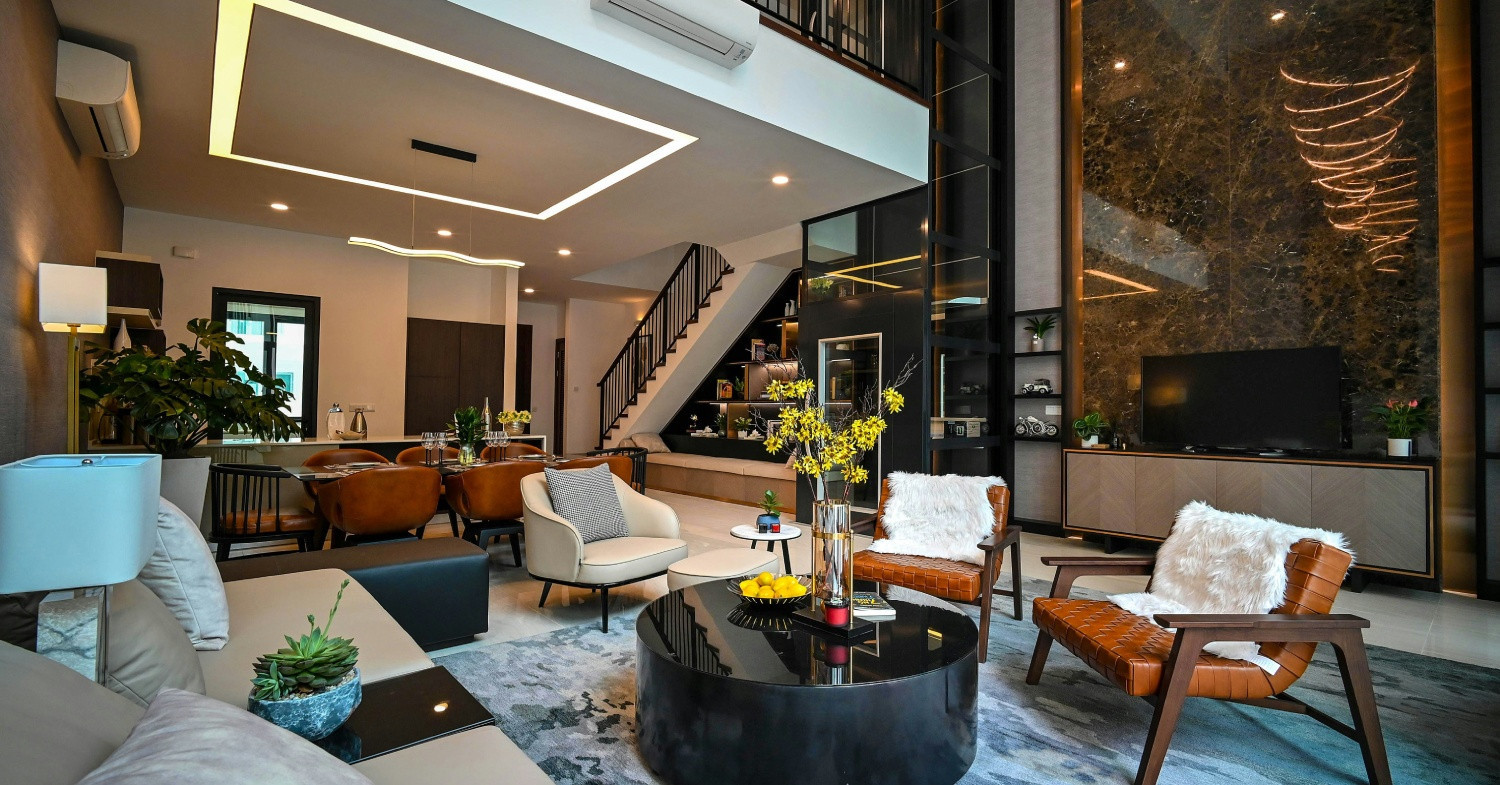
Photo: EdgeProp.sg
The global wealth landscape is undergoing a significant transformation as billionaire fortunes continue to expand across multiple industries and regions. From technology and finance to energy, manufacturing, healthcare, and artificial intelligence, wealth creation is accelerating at a remarkable pace. As a result, the number of individuals possessing extraordinary financial resources continues to grow, bringing new opportunities and new patterns of spending that are reshaping the luxury economy.
While the accumulation of wealth remains an important measure of financial success, the ways in which wealthy individuals choose to spend their money are changing rapidly. The billionaire class of 2026 is demonstrating preferences that differ considerably from previous generations. Rather than focusing exclusively on ownership and status, many affluent individuals are prioritizing experiences, flexibility, personalization, and long term value.
Global Wealth Creation Continues to Accelerate
One of the defining characteristics of the modern economy is the speed at which wealth can be created. Technological innovation, global investment opportunities, digital businesses, and expanding international markets have enabled entrepreneurs and investors to generate unprecedented levels of financial success.
New industries continue to produce wealthy founders and investors at a pace rarely seen before. At the same time, established billionaires are benefiting from diversified portfolios that span multiple sectors and geographic regions.
This ongoing expansion of wealth is contributing to increased spending across luxury markets worldwide.
Luxury Spending Remains Strong Despite Economic Uncertainty
Economic conditions may fluctuate, but ultra wealthy consumers often possess the financial flexibility to maintain their lifestyles regardless of short term market changes. This resilience has helped support demand for premium goods, exclusive services, and luxury experiences.
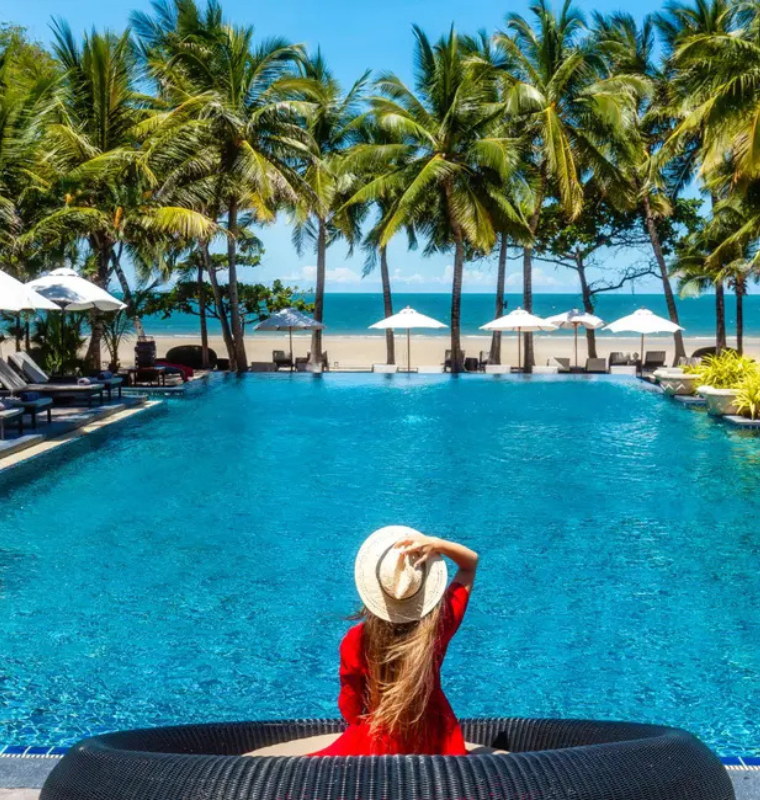
High end hospitality, private travel, fine art, rare collectibles, luxury real estate, and bespoke services continue to attract significant spending from affluent buyers.
Rather than reducing consumption, many wealthy individuals are becoming more selective, choosing products and experiences that deliver meaningful value and exclusivity.
Experiences Are Becoming the Ultimate Luxury
Perhaps the most notable trend within luxury spending is the growing emphasis on experiences. Billionaires increasingly seek opportunities that create lasting memories, provide personal enrichment, and offer access to extraordinary environments.
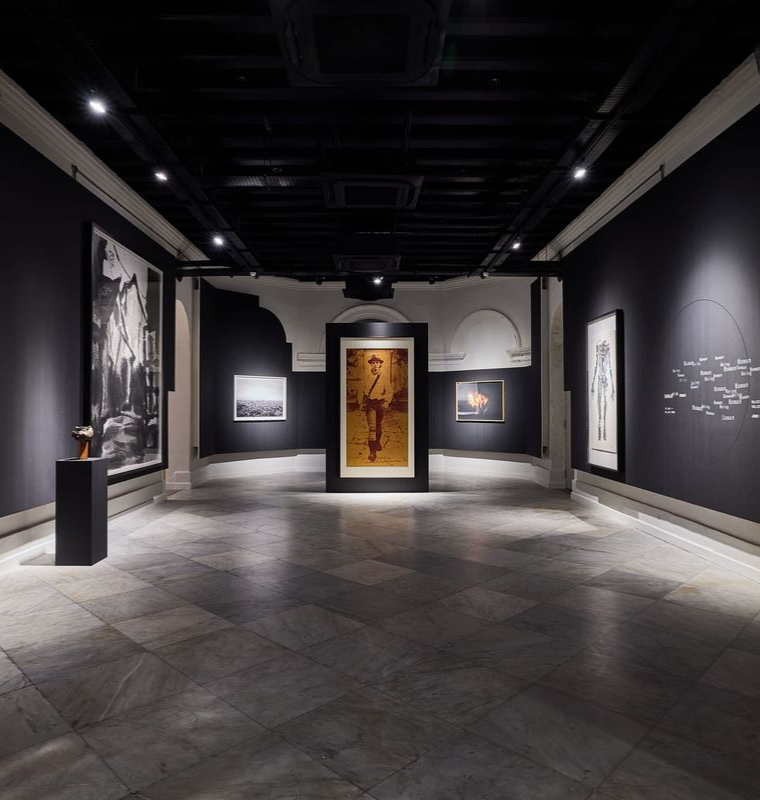
Private expeditions, curated cultural journeys, exclusive wellness retreats, and invitation only events are attracting greater attention than many traditional luxury purchases. These experiences provide a level of personalization and emotional engagement that physical products often cannot match.
As a result, experience driven luxury is becoming one of the fastest growing segments within the wealth economy.
Personalization Is Defining Modern Consumption
Affluent consumers increasingly expect products and services tailored specifically to their individual preferences. Standard luxury offerings are often no longer sufficient for buyers accustomed to customization.
Whether purchasing real estate, arranging travel, acquiring artwork, or planning private events, wealthy individuals seek experiences that reflect their unique tastes and lifestyles.
Businesses serving this market are investing heavily in personalization strategies to meet rising expectations and strengthen client relationships.
Luxury Real Estate Continues to Attract Capital
Despite evolving spending habits, premium real estate remains one of the most important assets within billionaire portfolios. Prime properties offer a combination of prestige, utility, wealth preservation, and potential appreciation.
Many wealthy investors are expanding their property holdings across multiple countries, creating diversified portfolios that support both financial and lifestyle objectives. Urban residences, coastal estates, mountain retreats, and international investment properties continue to attract substantial interest.
Real estate remains a cornerstone of long term wealth management strategies.
Private Mobility Is Gaining Importance
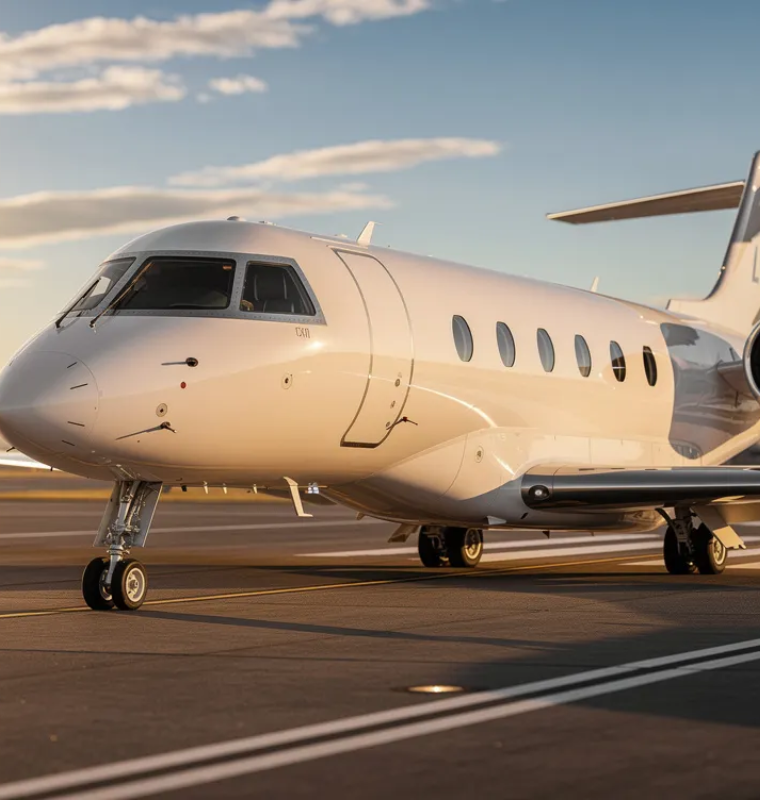
As global business operations become increasingly interconnected, private mobility has emerged as a critical component of affluent lifestyles. Private aviation and luxury maritime travel allow wealthy individuals to maximize efficiency while maintaining flexibility.
The ability to move quickly between business centers, leisure destinations, and family residences offers a significant advantage for individuals managing complex international responsibilities.
This demand for convenience continues to drive investment across aviation, maritime services, and luxury transportation sectors.
Wellness Spending Is Reaching Record Levels
Health and wellness have become central priorities for many affluent individuals. Wealthy consumers increasingly recognize that personal wellbeing is one of the most valuable investments they can make.
Luxury wellness programs now extend far beyond traditional spa experiences. Personalized health assessments, advanced medical services, nutrition planning, longevity research, fitness optimization, and mental wellness initiatives are attracting substantial attention.
This growing focus on wellbeing reflects a broader understanding that quality of life is an essential component of long term prosperity.
Sustainability Is Influencing Wealth Decisions
Environmental awareness is becoming increasingly relevant within luxury markets. Many affluent consumers now consider sustainability when making purchasing and investment decisions.
Luxury brands are responding by incorporating environmentally conscious practices into product development, operations, and supply chains. Real estate developers are emphasizing energy efficiency, while travel providers explore more sustainable solutions.
Although luxury and sustainability were once viewed as separate priorities, they are becoming increasingly interconnected within the modern wealth economy.
Family Offices Are Expanding Their Influence
As billionaire wealth grows, family offices are playing a larger role in managing complex financial and lifestyle responsibilities. These organizations oversee investments, philanthropic initiatives, real estate portfolios, tax planning, succession strategies, and personal services.
Their influence extends beyond financial management into nearly every aspect of wealth preservation and growth. Family offices increasingly serve as strategic partners that help affluent families navigate an increasingly complex global environment.
This trend is contributing to greater sophistication within wealth management practices.
Philanthropy Is Becoming a Larger Part of Wealth Identity
Many billionaires are dedicating significant resources to charitable initiatives, educational programs, healthcare projects, scientific research, and environmental causes. Philanthropy is increasingly viewed as an important component of personal legacy.
Rather than focusing solely on financial accumulation, wealthy individuals are exploring ways to create meaningful social impact through strategic giving.
This shift reflects changing attitudes toward responsibility, influence, and long term contribution within affluent communities.
Technology Continues to Shape Luxury Markets
Technological innovation remains one of the most powerful forces influencing billionaire spending patterns. Artificial intelligence, advanced data analytics, digital platforms, and emerging technologies are transforming how luxury products and services are delivered.
Affluent consumers expect seamless digital experiences alongside traditional personalized service. Businesses capable of combining technological sophistication with human expertise are often best positioned to meet these expectations.
Technology is not replacing luxury. Instead, it is enhancing convenience, efficiency, and customization.
The Future of Wealth Is Becoming More Sophisticated
The continued growth of billionaire wealth is influencing nearly every segment of the global luxury economy. However, the most important story is not simply the expansion of financial resources. It is the evolution of how those resources are being used.
Modern affluent consumers increasingly prioritize experiences over excess, personalization over standardization, and purpose over pure consumption. They seek lifestyles that combine financial success with flexibility, wellbeing, meaningful relationships, and personal fulfillment.
As global wealth reaches new heights, luxury spending trends will continue to evolve alongside changing values and expectations. The billionaire of 2026 is not merely accumulating assets. They are building a carefully designed lifestyle that reflects a broader and more sophisticated understanding of what true wealth can provide.
Subscribe to unlock premium content
Sed at tellus, pharetra lacus, aenean risus non nisl ultricies commodo diam aliquet arcu enim eu leo porttitor habitasse adipiscing porttitor varius ultricies facilisis viverra lacus neque.
A comprehensive guide on Agile development

10 Productivity tools that are worth checking out

Top 7 Must have management tools for productivity

A comprehensive guide on Agile development
10 Productivity tools that are worth checking out
A comprehensive guide on Agile development