
Inside the Exclusive World of Billionaire Museum Nights and Private Cultural Experiences
By
Maya K.
Last updated:
June 19, 2026
First Published:
June 19, 2026

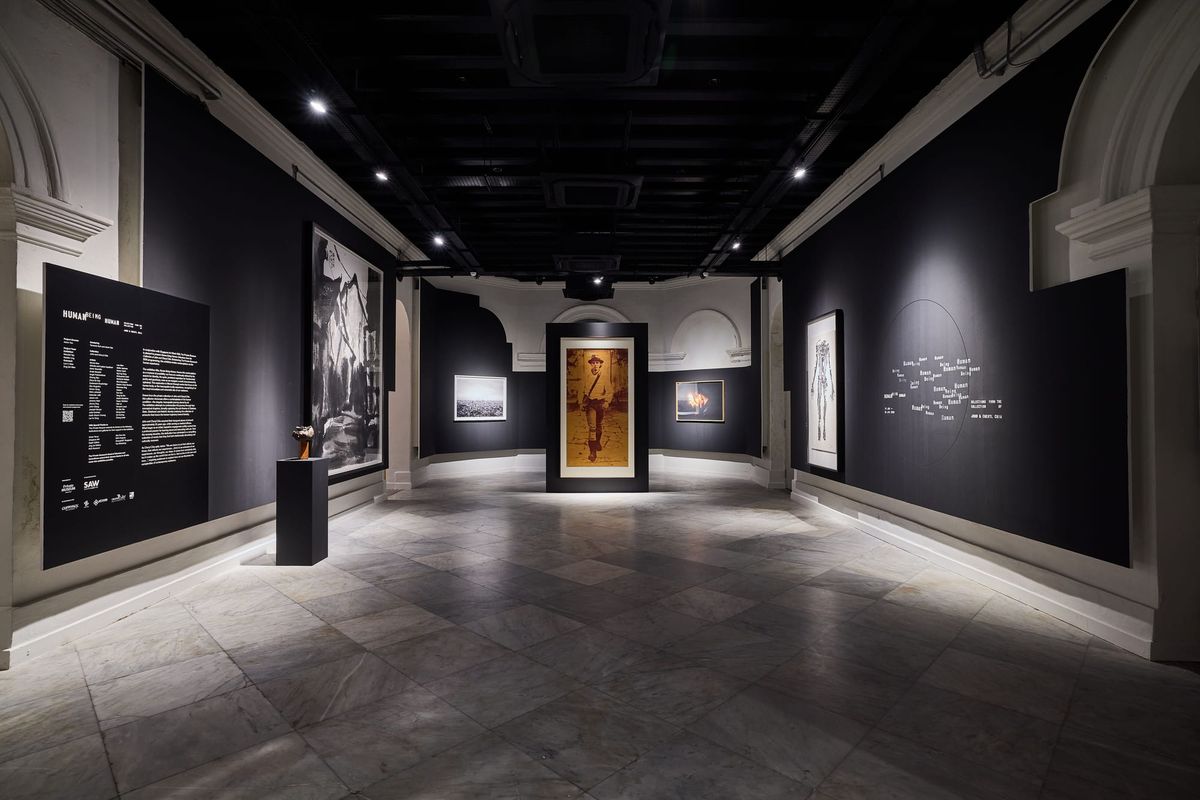
Photo: ArtAsiaPacific
Luxury has traditionally been associated with material possessions such as prestigious real estate, rare automobiles, private aircraft, and designer fashion. Yet among the world's wealthiest individuals, a more refined form of exclusivity is gaining prominence. In 2026, billionaire museum nights and private cultural experiences are emerging as some of the most sought after status symbols within elite circles. These events offer something that even immense wealth cannot easily purchase: intimate access to history, creativity, knowledge, and cultural influence.
Across major cultural capitals, private viewings, after hours museum access, curator led tours, and invitation only exhibitions are becoming increasingly popular among affluent collectors, philanthropists, and business leaders. These experiences combine prestige, education, networking, and personal enrichment in ways that traditional luxury assets often cannot.
Cultural Access Is Becoming a New Form of Prestige
For decades, luxury consumption focused heavily on ownership. The most successful individuals sought rare objects, valuable properties, and exclusive products that distinguished them from others. Today, many wealthy individuals are placing greater value on access rather than possession.
Private cultural experiences provide opportunities that are unavailable to the general public. Whether viewing a historic masterpiece without crowds, attending a closed exhibition before its official opening, or participating in discussions with renowned historians and artists, these experiences offer a sense of exclusivity that extends beyond material wealth.
This shift reflects the growing importance of intellectual and cultural capital within affluent communities.
Museums Are Expanding Elite Engagement Programs
Museums around the world increasingly recognize the importance of cultivating relationships with major donors and patrons. As a result, institutions are developing sophisticated programs designed to provide meaningful engagement opportunities for high net worth individuals.
Private museum nights often include personalized tours, behind the scenes access, curator presentations, and opportunities to examine significant works of art in intimate settings. These events allow guests to experience collections in a way that differs dramatically from standard public visits.
For museums, these programs help strengthen financial support while deepening connections with influential supporters.
The Appeal of Experiencing Art Without Crowds
One of the primary attractions of private museum access is the ability to enjoy art in a calm and uninterrupted environment. Popular exhibitions frequently attract thousands of visitors, making it difficult to fully appreciate important works.
Private viewings remove these distractions. Guests can spend extended periods engaging with individual pieces, discussing historical context with experts, and exploring collections at their own pace.
For many affluent attendees, this deeper level of engagement enhances both enjoyment and understanding.
Wealthy Collectors Are Seeking Cultural Immersion
Many of the world's richest individuals have become passionate collectors of art, antiques, and cultural artifacts. Their interest often extends beyond acquisition into a broader appreciation of history, creativity, and preservation.
Private cultural events provide opportunities to expand knowledge while connecting with experts, curators, artists, and fellow collectors. These interactions often inspire new collecting interests and strengthen existing relationships within the art world.
As collecting becomes increasingly global, cultural immersion has become an essential component of the luxury experience.
Exclusive Gatherings Foster Valuable Relationships
Billionaire museum nights are not solely about art. They also function as highly curated social environments where influential individuals can connect with peers who share similar interests.
Guests often include entrepreneurs, investors, philanthropists, academics, cultural leaders, and prominent collectors. The intimate nature of these gatherings encourages meaningful conversations and long term relationship building.
Unlike traditional networking events, cultural experiences provide natural discussion topics that help create authentic connections among participants.
Philanthropy Plays a Central Role
Many private cultural events are closely linked to philanthropic initiatives. Wealthy patrons frequently support museums, galleries, educational programs, conservation efforts, and cultural preservation projects through donations and sponsorships.
These contributions help institutions expand collections, maintain historic artifacts, fund research, and develop public programming. In return, donors often receive opportunities to engage more deeply with the organizations they support.
This relationship creates a mutually beneficial dynamic that strengthens cultural institutions while providing patrons with meaningful involvement.
The Luxury Industry Is Embracing Cultural Partnerships
Luxury brands increasingly recognize the appeal of art and culture among affluent consumers. Many companies now collaborate with museums, galleries, and cultural organizations to create exclusive events and experiences.
Private exhibition previews, artist collaborations, educational programs, and cultural dinners have become popular components of luxury marketing strategies. These partnerships allow brands to align themselves with creativity, heritage, and intellectual sophistication.
For wealthy clients, such experiences often feel more meaningful than traditional promotional events.
Technology Is Expanding Access to Rare Experiences
Advances in technology are creating new opportunities within the cultural sector. Digital archives, immersive installations, augmented experiences, and advanced preservation techniques are enhancing how art and history are presented.
Private events increasingly incorporate these innovations to provide deeper engagement and unique perspectives. Guests can explore historical narratives, examine artistic techniques, and access information that enriches their understanding of important works.
Technology is helping cultural institutions deliver increasingly sophisticated experiences without diminishing the authenticity of the art itself.
Cultural Experiences Reflect a Broader Shift in Wealth
The popularity of private museum nights reflects a larger evolution in how affluent individuals define success. While material wealth remains important, many wealthy people are seeking experiences that provide intellectual stimulation, emotional enrichment, and personal growth.
Art and culture offer opportunities to engage with ideas, history, and creativity in ways that transcend financial achievement. This broader perspective is influencing spending patterns across the luxury sector.
Experiences that combine exclusivity with substance are becoming increasingly valuable within elite communities.
Younger Generations Are Driving New Cultural Interests
Many younger wealthy individuals are entering the art and cultural world with fresh perspectives. They often view collecting and patronage as extensions of broader interests in innovation, education, social impact, and global engagement.
This generation values experiences that combine learning with exclusivity. They are particularly attracted to events that offer direct interaction with artists, historians, and cultural leaders.
As wealth continues to transfer across generations, these preferences are expected to influence the future direction of cultural institutions and luxury experiences.
The Future of Luxury May Be More Intellectual Than Material
The growing demand for billionaire museum nights and private cultural experiences suggests that luxury is entering a new phase. While prestigious assets will always retain their appeal, many affluent individuals are increasingly drawn toward experiences that offer depth, meaning, and personal enrichment.
Private access to world class cultural institutions represents a unique combination of exclusivity, education, influence, and social connection. These experiences allow wealthy individuals to engage with history and creativity in ways that few others can.
As the luxury landscape continues to evolve, cultural access may become one of the most valuable forms of prestige available. In a world where many material goods can be acquired, the opportunity to experience extraordinary art and culture in intimate settings is emerging as one of the ultimate expressions of modern wealth.


Subscribe to unlock premium content
Sed at tellus, pharetra lacus, aenean risus non nisl ultricies commodo diam aliquet arcu enim eu leo porttitor habitasse adipiscing porttitor varius ultricies facilisis viverra lacus neque.
A comprehensive guide on Agile development

10 Productivity tools that are worth checking out

Top 7 Must have management tools for productivity

A comprehensive guide on Agile development
10 Productivity tools that are worth checking out
A comprehensive guide on Agile development