

Global Billionaires Quietly Acquire Water Rights as Climate Assets Enter Luxury Portfolios
By
John Carter
Last updated:
March 4, 2026
First Published:
March 4, 2026

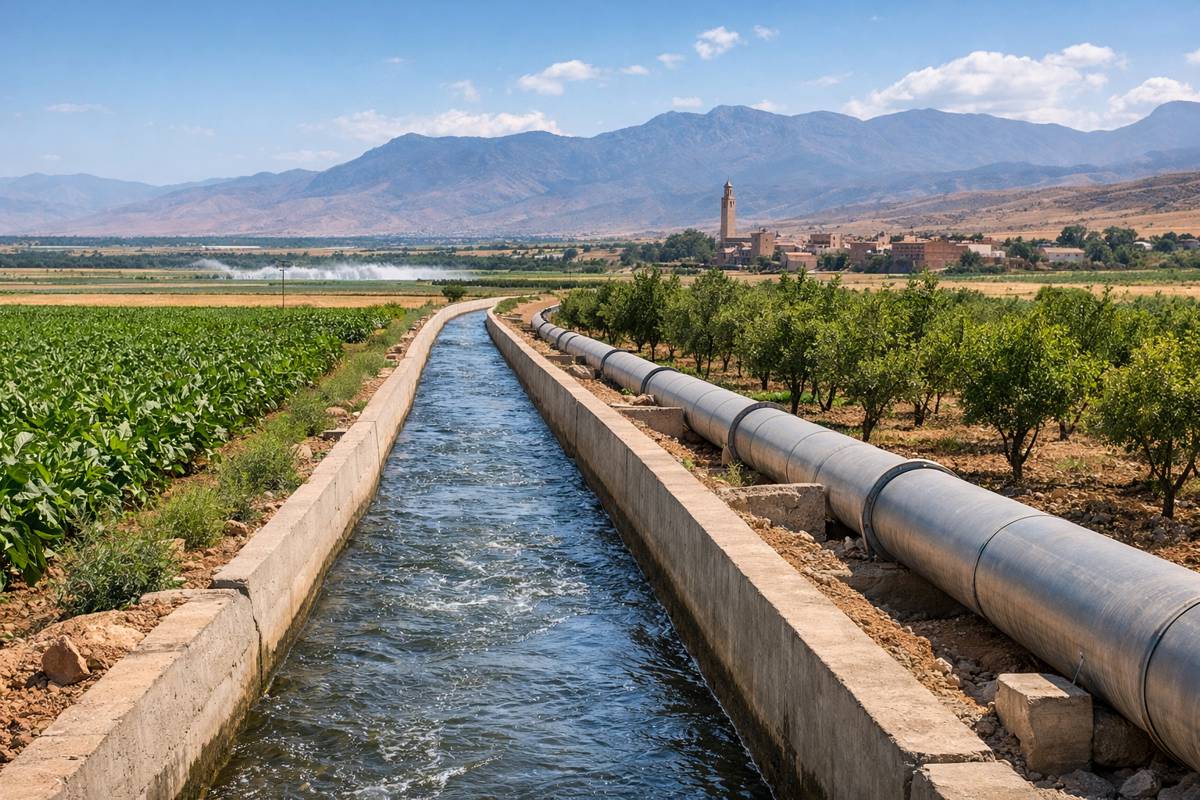
Photo: Highways Today
A Silent Shift in Billionaire Portfolios
Across private investment circles, a subtle yet powerful shift is unfolding. Ultra wealthy individuals are increasingly allocating capital toward water rights, reservoirs, agricultural aquifers, and water infrastructure. Unlike traditional luxury acquisitions such as yachts or penthouses, this movement is strategic, discreet, and deeply long term. Water is no longer viewed as a utility alone. It is emerging as one of the most critical assets of the twenty first century.
Climate Pressure Reshapes Asset Priorities
Rising global temperatures, prolonged drought cycles, and population growth are placing extraordinary strain on freshwater supplies. Regions once considered water secure are now facing seasonal shortages. For billionaires who evaluate investments through a multi generational lens, water represents both scarcity and inevitability. Climate volatility has transformed water from a background commodity into a frontline economic variable.
Why Water Rights Hold Exceptional Value
Water rights grant legal access to freshwater sources such as rivers, lakes, and underground aquifers. In agricultural regions, these rights often determine land productivity and long term revenue potential. Investors recognize that controlling water access can dramatically enhance farmland valuation and food production stability. In areas with tightening regulation, these rights become even more valuable due to restricted availability.
Agriculture and Farmland as Strategic Gateways
Many high net worth investors are not purchasing water rights in isolation. Instead, they are acquiring farmland in water secure regions, effectively integrating land and water assets. Agricultural holdings in parts of the United States, Australia, and South America have attracted private capital precisely because of reliable irrigation infrastructure. In this framework, water is not just a resource but the foundation of future food security.
Infrastructure Investments Behind the Scenes
Beyond farmland, capital is flowing into water storage, purification, and recycling systems. Private equity backed ventures are funding desalination plants, advanced filtration technology, and smart water monitoring systems. These infrastructure plays allow wealthy investors to participate in water economics without direct ownership of natural sources. This approach combines environmental necessity with scalable financial return.
The Geopolitical Dimension of Water Control
Water scarcity increasingly intersects with geopolitical stability. Nations facing shortages experience economic stress, migration pressure, and potential conflict. Wealth strategists understand that water control in stable jurisdictions provides insulation from broader volatility. Strategic acquisitions in politically secure regions create a layer of resilience within diversified global portfolios.
Discretion and Long Term Vision
Unlike luxury real estate or high profile equity stakes, water acquisitions rarely attract public attention. Transactions are often structured through holding companies, agricultural entities, or private partnerships. This discretion reflects the sensitive nature of water ownership and the reputational considerations surrounding essential resources. For many billionaires, water is not a speculative bet but a century scale safeguard.
Water as the New Luxury Insurance
Luxury historically symbolized exclusivity and comfort. In the coming decades, security of essentials may define the next era of affluence. Access to clean and reliable water will influence property value, agricultural yield, and regional economic growth. Investors who secure these rights today position themselves ahead of escalating demand. Water is becoming a form of environmental insurance embedded within wealth strategy.
Ethical and Regulatory Considerations
The accumulation of water rights by private capital raises important ethical questions. Communities depend on equitable access to freshwater for survival. Governments are tightening regulatory oversight to balance private ownership with public need. Successful investors navigate this space carefully, ensuring compliance while aligning projects with sustainability goals. Responsible stewardship increasingly shapes how these assets are managed.
A Structural Transformation in Wealth Thinking
The quiet acquisition of water rights reflects a broader transformation in elite wealth management. Billionaires are shifting from symbolic luxury toward strategic necessity. Climate resilience, food security, and resource control are redefining what constitutes a premium asset. Water, once overlooked in private portfolios, is now regarded as a cornerstone of long term prosperity.
As environmental pressures intensify and global demand accelerates, water is transitioning from background infrastructure to strategic capital. Billionaires are responding not with headlines but with calculated acquisitions. This movement signals a deeper recalibration of luxury itself. In an uncertain climate future, control of essential resources may prove more valuable than any traditional status symbol.


Subscribe to unlock premium content
Sed at tellus, pharetra lacus, aenean risus non nisl ultricies commodo diam aliquet arcu enim eu leo porttitor habitasse adipiscing porttitor varius ultricies facilisis viverra lacus neque.
A comprehensive guide on Agile development

10 Productivity tools that are worth checking out

Top 7 Must have management tools for productivity

A comprehensive guide on Agile development
10 Productivity tools that are worth checking out
A comprehensive guide on Agile development