
Global Luxury Fashion Houses Report Historic Sales Fueled by Rising Wealth in Asia and the Middle East
By
John Carter
Last updated:
May 11, 2026
First Published:
May 11, 2026


Luxury Fashion Is Experiencing a Historic Financial Surge
The global luxury fashion industry is witnessing one of the strongest growth periods in its modern history as major fashion houses report record breaking sales throughout May 2026. Rising wealth across Asia and the Middle East is fueling unprecedented demand for designer clothing, rare accessories, fine jewelry, and exclusive luxury experiences.
Fashion executives and market analysts describe the current boom as a major turning point for the luxury sector. Wealth expansion in emerging financial centers is creating a new generation of elite consumers who are spending aggressively on premium brands and ultra exclusive collections.
Luxury fashion is no longer driven primarily by Western markets alone. The center of global luxury consumption is rapidly shifting toward regions experiencing massive wealth creation and expanding high net worth populations.
This transformation is changing how fashion brands design products, market exclusivity, and build long term global influence.
Asia Has Become the Most Powerful Luxury Growth Engine
Asia continues to dominate luxury market expansion as wealthy consumers across China, Singapore, South Korea, India, Thailand, and Vietnam dramatically increase spending on high end fashion products.
Young entrepreneurs, technology executives, entertainment figures, and wealthy investors are driving a massive appetite for luxury goods that symbolize financial success and social influence. Designer handbags, couture collections, luxury watches, and premium jewelry are seeing extraordinary demand among affluent buyers seeking both status and personal identity expression.
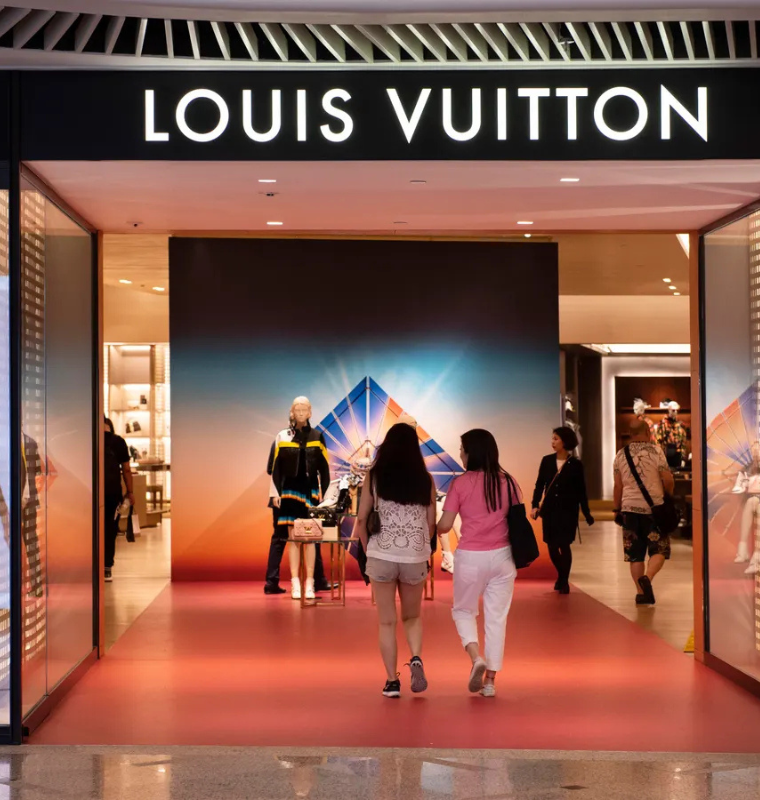
Luxury shopping districts throughout major Asian cities are experiencing record traffic levels as elite consumers prioritize exclusive retail experiences and personalized services.
Fashion houses are responding by expanding flagship stores, launching region specific collections, and investing heavily in luxury customer experiences designed specifically for Asian markets.
Industry experts believe Asia’s influence on global luxury fashion will continue strengthening throughout the decade.
Middle Eastern Wealth Is Redefining Ultra Luxury Consumption
The Middle East has also emerged as one of the world’s most important luxury fashion markets. Rapid wealth growth in countries such as the United Arab Emirates, Saudi Arabia, and Qatar is creating enormous opportunities for elite fashion brands.
Luxury spending in the region is being fueled by powerful business sectors including energy, finance, real estate, technology, and tourism. High net worth consumers across the Middle East are investing heavily in rare fashion collections, custom jewelry, and private luxury shopping experiences.
Fashion brands are increasingly tailoring products and marketing strategies to align with regional preferences, cultural sophistication, and demand for exclusivity.
Private fashion events, invitation only runway presentations, and luxury concierge shopping services are becoming common across major Middle Eastern cities.
The region’s growing influence is reshaping the global luxury industry’s priorities and long term expansion strategies.
Younger Millionaires Are Driving Fashion Sales
One of the biggest changes within the luxury fashion world is the rising influence of younger wealthy consumers. Millennials and Generation Z millionaires are spending aggressively on premium fashion products while also redefining luxury culture itself.
Unlike older generations who often focused heavily on traditional luxury symbols, younger wealthy consumers are seeking individuality, limited edition collections, and emotionally driven brand experiences.
Social media visibility, digital influence, and online identity play enormous roles in modern luxury purchasing decisions. Fashion items are increasingly viewed not only as products but as extensions of personal branding and social status.
Luxury companies are adapting quickly by introducing more exclusive drops, digital fashion campaigns, celebrity collaborations, and interactive customer experiences aimed at younger audiences.
This shift is transforming the pace and structure of the global fashion business.
Exclusive Fashion Collections Are Becoming Investment Assets
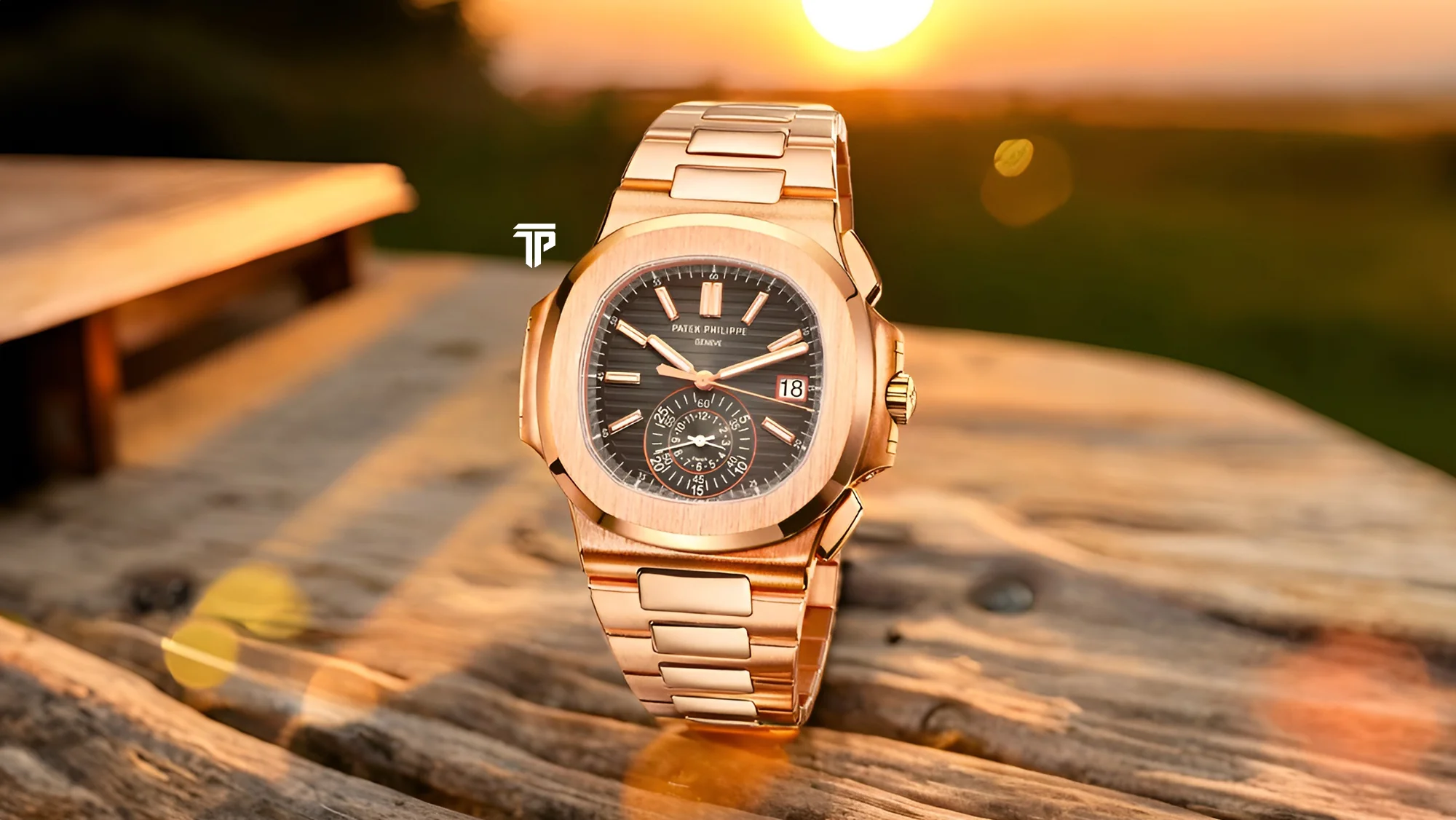
Luxury fashion products are increasingly being treated as investment assets rather than ordinary consumer goods. Rare handbags, limited edition sneakers, exclusive jewelry collections, and archival designer pieces are appreciating significantly in value due to scarcity and global demand.
Collectors and wealthy investors are entering the luxury fashion market with the same mindset traditionally associated with fine art and rare watches. Some limited collections now sell for extraordinary prices within resale markets shortly after release.
Luxury fashion houses are intentionally producing smaller quantities of premium items to maintain exclusivity and increase long term value perception.
This scarcity driven strategy is strengthening consumer demand while elevating luxury fashion into a highly competitive investment category for wealthy buyers.
Luxury Shopping Experiences Are Becoming More Personalized
The modern luxury consumer expects far more than traditional retail service. Wealthy clients now demand deeply personalized shopping experiences that combine exclusivity, convenience, and emotional connection.
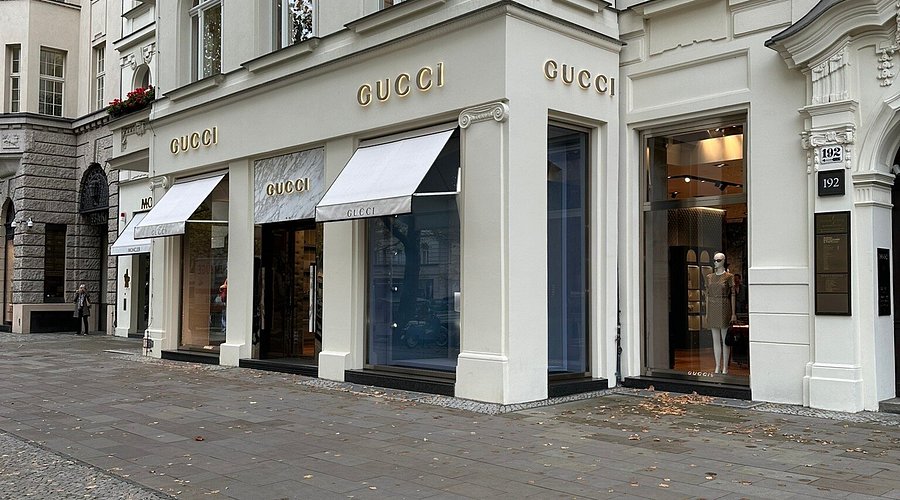
Fashion houses are investing heavily in private salons, VIP client programs, personal stylists, and invitation only shopping environments designed specifically for elite consumers.
Artificial intelligence and advanced customer analytics are also helping luxury brands personalize product recommendations and shopping experiences with extraordinary precision.
Some fashion houses now offer private fashion consultations through luxury residences, yachts, and exclusive global travel destinations to strengthen relationships with high spending clients.
Personalization has become one of the most valuable competitive advantages within the luxury market.
Digital Luxury Commerce Is Expanding Rapidly
The luxury industry has embraced digital commerce at an accelerated pace as wealthy consumers become increasingly comfortable purchasing premium products online.
Luxury fashion platforms now offer highly curated digital experiences that combine exclusivity with convenience. Virtual runway shows, private online previews, digital concierge services, and limited release product launches are becoming central parts of luxury retail strategy.
Social commerce and influencer marketing are also shaping purchasing behavior among affluent younger audiences. Luxury brands are collaborating with celebrities, creators, and digital personalities to strengthen cultural relevance and maintain visibility across social platforms.
Technology is helping luxury fashion become more global, accessible, and emotionally connected to consumers without sacrificing exclusivity.
Sustainability Is Becoming Central to Luxury Branding
Environmental responsibility is becoming increasingly important within the luxury fashion industry. Wealthy consumers are paying closer attention to ethical sourcing, sustainable production methods, and environmental impact when making purchasing decisions.
Luxury fashion houses are investing in sustainable materials, responsible manufacturing practices, and circular fashion initiatives to appeal to environmentally conscious buyers.
Many premium brands are also promoting craftsmanship, durability, and timeless design as alternatives to disposable fashion culture.
Sustainability is no longer viewed simply as a marketing strategy. It is becoming a core component of modern luxury identity and long term brand value.
Luxury Fashion Events Are Expanding Across New Markets
Global fashion activity is rapidly expanding beyond traditional capitals such as Paris, Milan, London, and New York. Major luxury events are increasingly being hosted in Dubai, Riyadh, Singapore, Seoul, and other rising wealth centers.
Fashion houses recognize that future growth depends heavily on building deeper relationships within emerging luxury markets. Exclusive events, regional campaigns, and cultural collaborations are helping brands strengthen influence among newly wealthy audiences.
Luxury tourism is also contributing significantly to fashion sales growth. Wealthy travelers frequently combine international shopping experiences with luxury vacations, hospitality, and entertainment.
As global wealth continues expanding, luxury fashion is becoming more internationally integrated than ever before.
The Future of Luxury Fashion Looks More Powerful Than Ever
The record breaking performance of luxury fashion houses in 2026 reflects a broader transformation happening across global wealth culture. Rising millionaire populations, expanding international entrepreneurship, and changing consumer behaviors are fueling extraordinary demand for premium products and exclusive experiences.
Asia and the Middle East now stand at the center of this new luxury economy, reshaping how fashion brands operate, market products, and define prestige.
For luxury fashion companies, the future will depend on balancing exclusivity, innovation, personalization, sustainability, and cultural relevance in an increasingly competitive global environment.
Luxury fashion is no longer simply about clothing or accessories. It has evolved into a worldwide expression of influence, ambition, identity, and modern wealth itself.
Subscribe to unlock premium content
Sed at tellus, pharetra lacus, aenean risus non nisl ultricies commodo diam aliquet arcu enim eu leo porttitor habitasse adipiscing porttitor varius ultricies facilisis viverra lacus neque.
A comprehensive guide on Agile development

10 Productivity tools that are worth checking out
Top 7 Must have management tools for productivity

A comprehensive guide on Agile development
10 Productivity tools that are worth checking out
A comprehensive guide on Agile development