
Wealth Managers Warn of New Spending Habits Among Gen Z Millionaires Driving Major Changes in Luxury Industries
By
John Carter
Last updated:
May 11, 2026
First Published:
May 11, 2026

.webp)
A New Generation of Wealth Is Changing Luxury Spending Forever
Global wealth managers are closely monitoring a dramatic shift in luxury spending behavior as Gen Z millionaires emerge as one of the most influential consumer groups in the world economy. Throughout 2026, financial advisors, luxury brands, and investment firms are observing major changes in how younger wealthy individuals spend money, build status, and define success.
Unlike previous generations of affluent consumers who focused heavily on traditional luxury symbols such as formal estates, conservative fashion, and long term asset accumulation, Gen Z millionaires are embracing a far more dynamic and lifestyle driven approach to wealth.
Their spending habits are transforming industries ranging from luxury fashion and wellness to travel, technology, entertainment, and real estate. Experts believe this generational shift could permanently reshape the future of global luxury markets.
Experiences Matter More Than Traditional Status Symbols
One of the biggest differences between Gen Z millionaires and older wealthy generations is the growing preference for experiences over purely material possessions.
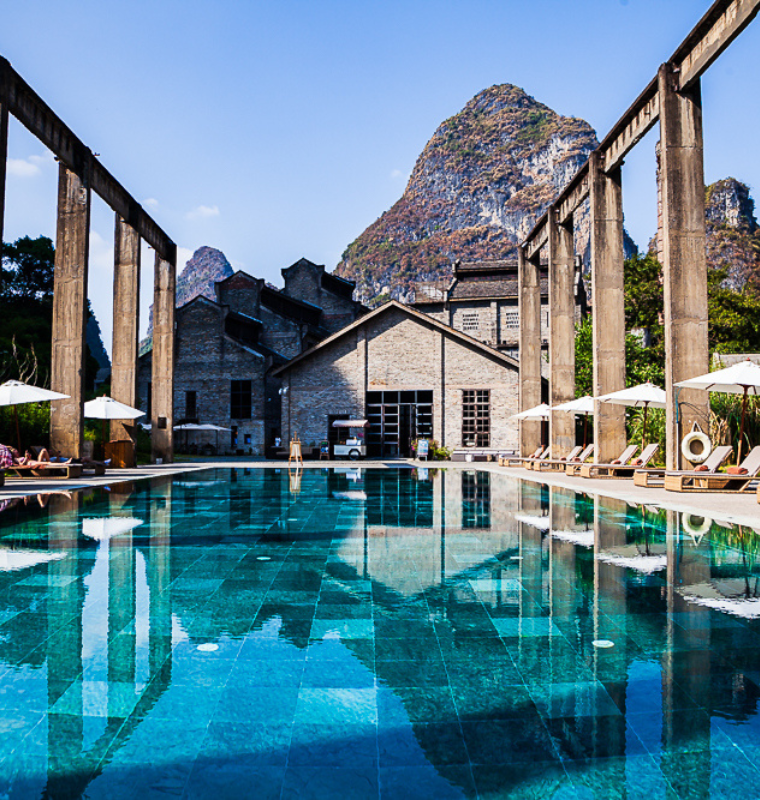
Young affluent consumers are spending aggressively on private travel, luxury wellness retreats, exclusive events, personalized adventures, and high end lifestyle experiences that provide emotional value and social visibility.
Luxury vacations, private island escapes, invitation only festivals, elite networking events, and custom travel experiences are becoming more desirable than many traditional luxury purchases.
For this generation, wealth is increasingly measured through lifestyle flexibility, personal fulfillment, and memorable experiences rather than simply owning expensive physical assets.
This shift is forcing luxury industries to rethink how they market prestige and exclusivity.
Social Media Is Influencing Luxury Spending Decisions
Digital culture plays a massive role in shaping Gen Z luxury behavior. Social media platforms have become powerful environments where young millionaires display lifestyles, discover trends, and build personal brands.
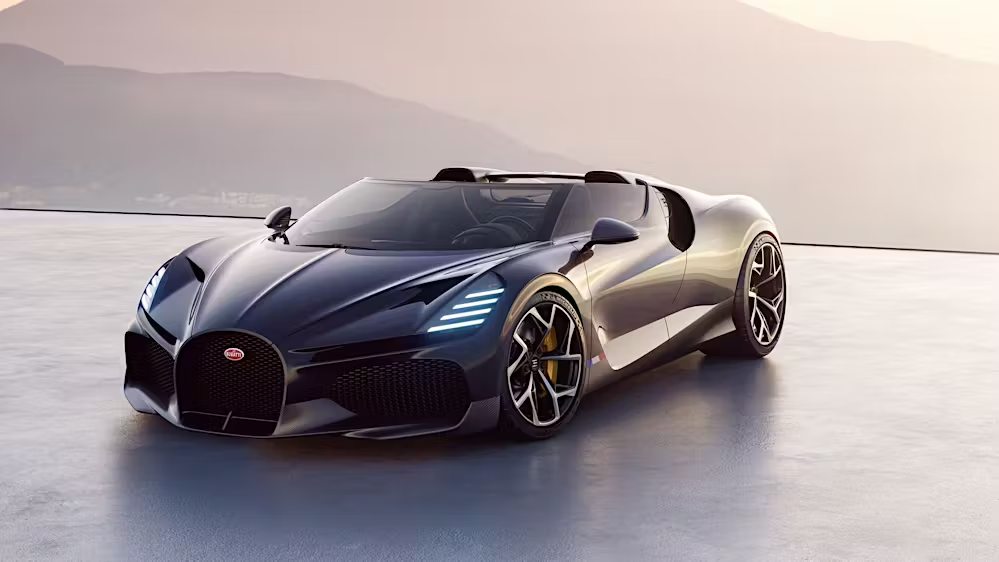
Luxury purchases are often connected directly to online identity and public image. Designer fashion, rare collectibles, luxury vehicles, and premium travel experiences frequently appear across social platforms as visual representations of influence and success.
As a result, luxury brands are increasingly creating products and campaigns designed specifically for digital visibility and viral engagement.
Limited edition releases, celebrity collaborations, immersive events, and visually striking experiences are proving highly effective at attracting younger affluent consumers.
Social influence has become deeply connected to modern luxury economics.
Younger Wealthy Consumers Prefer Flexible Luxury
Traditional ownership models are becoming less attractive to many Gen Z millionaires. Instead of committing to permanent ownership of expensive assets, younger affluent consumers often prefer flexible luxury services that provide convenience and freedom.
Luxury memberships, private aviation subscriptions, designer rental platforms, exclusive clubs, and on demand premium services are growing rapidly among wealthy younger audiences.
This generation values mobility and adaptability more than long term attachment to single assets. They want access to elite experiences without necessarily carrying the responsibilities associated with permanent ownership.
Luxury companies are responding by expanding subscription based models and personalized service ecosystems designed around flexibility.
This trend is creating entirely new business opportunities across high end industries.
Wellness Spending Is Exploding Among Young Millionaires
Health and wellness have become central priorities for Gen Z wealthy consumers. Young millionaires are investing heavily in fitness programs, longevity treatments, mental wellness services, personalized healthcare, organic nutrition, and luxury wellness retreats.
Unlike older generations who often treated wellness as secondary to career success, younger affluent individuals increasingly view health optimization as a core component of luxury living.
Luxury wellness resorts, advanced recovery centers, personalized fitness programs, and biohacking technologies are seeing explosive demand from younger wealthy clients.
The wellness economy is benefiting enormously from this generational shift toward health conscious luxury consumption.
Sustainability Is Influencing Purchasing Behavior
Environmental awareness is playing a much larger role in luxury decision making among Gen Z millionaires. Many younger affluent consumers actively seek brands that promote ethical sourcing, sustainability, environmental responsibility, and transparent business practices.
Luxury fashion companies, hospitality groups, automotive brands, and real estate developers are facing growing pressure to demonstrate genuine sustainability commitments.
Younger wealthy buyers are often willing to spend premium prices on products and experiences that align with their environmental values.
As a result, sustainability is becoming not just a social issue but also a major competitive advantage within luxury industries.
Brands unable to adapt to these expectations risk losing relevance among future generations of wealthy consumers.
Technology Is Defining Modern Wealth Culture
Gen Z millionaires grew up in a fully digital world, making technology integration essential within luxury experiences. Artificial intelligence services, smart living systems, digital payments, virtual experiences, and advanced personalization technologies are all becoming central parts of modern wealth culture.
Luxury brands are heavily investing in technology driven customer experiences to attract younger affluent consumers who expect seamless digital convenience.
Private digital communities, virtual luxury events, AI powered personal assistants, and highly customized online shopping environments are rapidly expanding across elite markets.
Technology is no longer separate from luxury. It is becoming one of the primary foundations of how luxury is delivered and experienced.
Younger Millionaires Are More Entrepreneurial Than Previous Generations
Another important trend identified by wealth managers is the entrepreneurial mindset common among Gen Z millionaires. Many younger wealthy individuals accumulated money through startups, digital businesses, creator economies, crypto investments, and technology ventures rather than traditional corporate careers.
This entrepreneurial background strongly influences spending behavior. Younger millionaires often prioritize investments, networking opportunities, and business experiences that can expand influence and create future wealth opportunities.
Luxury industries are increasingly integrating business networking, innovation events, and investment focused experiences into premium lifestyle offerings.
The modern luxury customer is becoming more ambitious, business focused, and globally connected.
Luxury Real Estate Preferences Are Also Changing
Gen Z millionaires are approaching luxury real estate differently from older generations. While traditional mansions and formal estates still hold appeal, many younger wealthy buyers prefer modern properties designed around wellness, sustainability, smart technology, and lifestyle flexibility.
Luxury residences with private gyms, wellness facilities, remote work spaces, sustainable architecture, and personalized technology systems are becoming highly desirable.
Many younger affluent consumers also value location flexibility and may own multiple smaller luxury properties across international destinations rather than concentrating wealth into a single primary estate.
This evolving approach to luxury living is influencing global real estate development trends.
Wealth Managers Believe Luxury Industries Must Adapt Quickly
Financial advisors and luxury industry experts believe the rise of Gen Z millionaires represents one of the most important economic and cultural shifts currently shaping global markets.
Luxury brands that succeed in the coming years will likely be those capable of understanding younger wealthy consumers who prioritize authenticity, flexibility, digital identity, sustainability, wellness, and experience driven lifestyles.
The traditional definitions of status and prestige are rapidly evolving as younger generations reshape what it means to be wealthy in the modern world.
For Gen Z millionaires, luxury is no longer simply about displaying financial power. It is about creating freedom, building personal identity, improving wellbeing, and accessing meaningful experiences that reflect individual values and ambitions.
The future of luxury industries will be defined by how effectively companies respond to this new generation of globally connected wealthy consumers.
Subscribe to unlock premium content
Sed at tellus, pharetra lacus, aenean risus non nisl ultricies commodo diam aliquet arcu enim eu leo porttitor habitasse adipiscing porttitor varius ultricies facilisis viverra lacus neque.
A comprehensive guide on Agile development

10 Productivity tools that are worth checking out
Top 7 Must have management tools for productivity

A comprehensive guide on Agile development
10 Productivity tools that are worth checking out
A comprehensive guide on Agile development