

High Net Worth Capital Shifts Toward Southeast Asia as Growth and Regulatory Flexibility Converge in 2026
By
Maya K.
Last updated:
April 15, 2026
First Published:
April 15, 2026

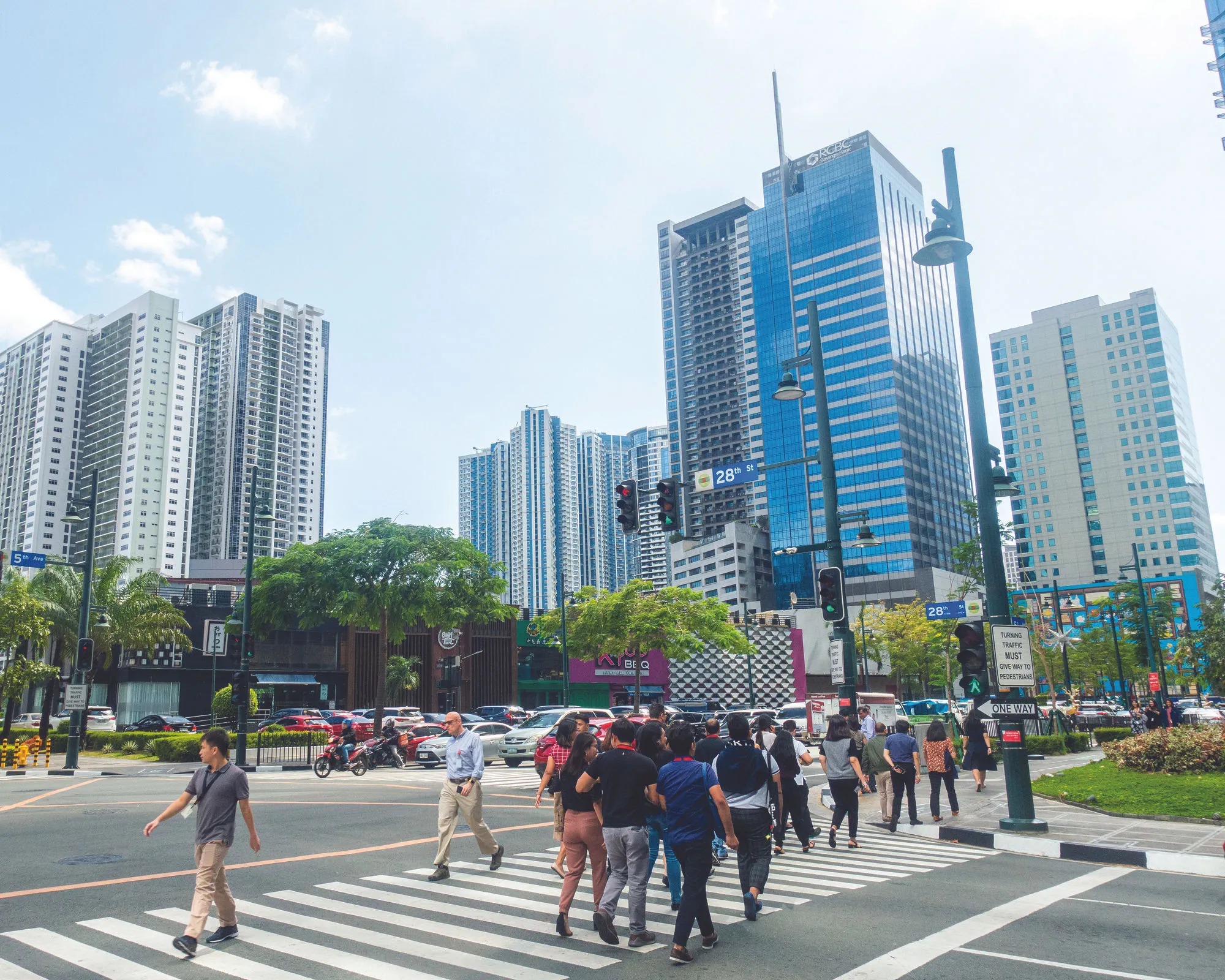
A significant reallocation of high net worth capital is underway, with increasing flows directed toward Southeast Asia as investors respond to a combination of stronger regional growth prospects and evolving regulatory environments. This shift reflects a broader diversification strategy among global wealth holders seeking exposure beyond traditional Western financial centers.
Southeast Asia has emerged as a focal point for investment due to its expanding consumer base, rapid digital adoption, and accelerating infrastructure development. Economies across the region are benefiting from structural transitions toward manufacturing diversification, services expansion, and technology driven productivity gains.
One of the primary drivers behind this capital movement is regulatory flexibility. Several jurisdictions in the region have introduced investor friendly frameworks designed to attract foreign capital, including streamlined business registration processes, tax incentives, and improved cross border financial access.
High net worth individuals and family offices are particularly drawn to opportunities in private equity, real estate development, and technology ventures across major Southeast Asian hubs. These investments often provide earlier stage entry points compared to more saturated developed markets.
The region is also benefiting from supply chain realignment. As global companies diversify production away from single country dependencies, Southeast Asia has become a key beneficiary, leading to increased demand for industrial infrastructure, logistics networks, and urban expansion projects.
Digital economy growth is another major factor influencing investment flows. Fintech adoption, e commerce penetration, and mobile first consumer behavior are creating scalable opportunities for private investors targeting high growth technology ecosystems.
Wealth managers are also responding to valuation differentials between emerging and developed markets. Relative pricing advantages in Southeast Asia allow investors to access higher growth potential at lower entry multiples compared to mature economies.
In addition, cross border investment frameworks have improved significantly. Regional trade agreements and financial cooperation initiatives are reducing friction for capital movement, making it easier for investors to structure diversified portfolios across multiple countries.
Another important trend is the rise of local wealth creation within Southeast Asia itself. A growing base of regional high net worth individuals is reinvesting capital domestically, further strengthening internal investment cycles and asset market depth.
However, investors remain mindful of regulatory variation between countries. Differences in legal systems, foreign ownership rules, and market transparency require careful structuring and localized expertise to manage risk effectively.
As global capital continues to diversify geographically, Southeast Asia is increasingly positioned as a strategic growth corridor rather than a peripheral emerging market. This reclassification is expected to influence wealth allocation patterns for the remainder of the decade.



Subscribe to unlock premium content
Sed at tellus, pharetra lacus, aenean risus non nisl ultricies commodo diam aliquet arcu enim eu leo porttitor habitasse adipiscing porttitor varius ultricies facilisis viverra lacus neque.
A comprehensive guide on Agile development

10 Productivity tools that are worth checking out

Top 7 Must have management tools for productivity

A comprehensive guide on Agile development
10 Productivity tools that are worth checking out
A comprehensive guide on Agile development