
Luxury Consumption Slows in Europe While Gulf Capital Drives Record Expansion in High End Hospitality
By
Sophie Moore
Last updated:
April 15, 2026
First Published:
April 15, 2026


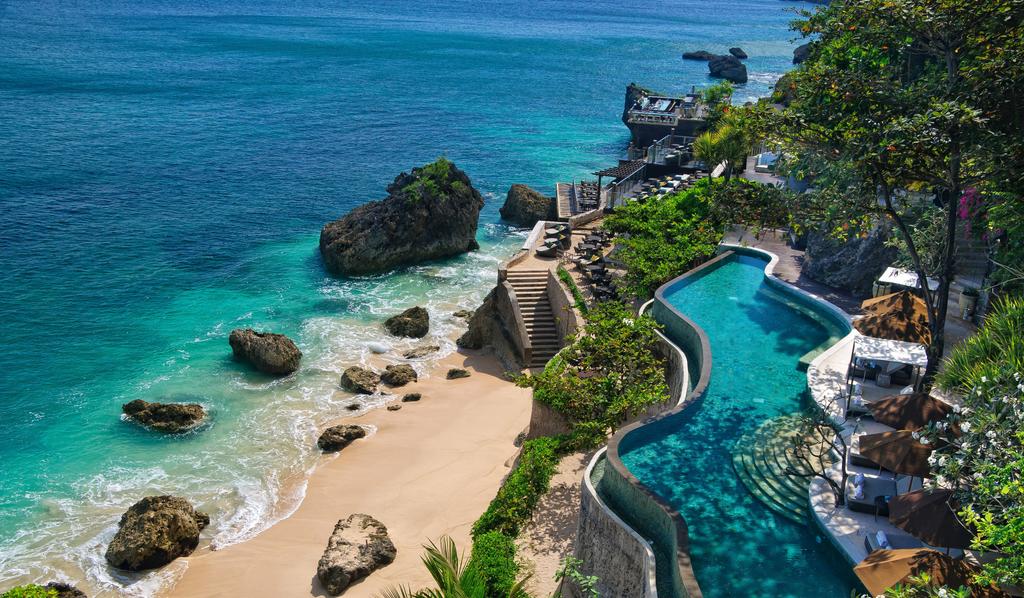
Photo: EHL Research
A notable divergence is emerging in global luxury consumption patterns, with Europe experiencing a slowdown in high end discretionary spending while capital from the Gulf region accelerates expansion across premium hospitality, fashion, and experiential sectors. This shift reflects broader changes in wealth concentration and cross regional investment flows.
In Europe, luxury demand has begun to stabilize after years of strong post pandemic recovery growth. High inflation in essential goods, tighter monetary conditions, and cautious consumer sentiment among affluent households have contributed to more selective spending behavior in premium categories.
Instead of broad based luxury consumption, European high net worth individuals are increasingly concentrating spending on fewer but higher quality assets. This includes heritage goods, exclusive travel experiences, and long term collectible investments rather than frequent high ticket purchases.
At the same time, Gulf based capital is playing a more dominant role in shaping global luxury expansion. Sovereign funds, private investment groups, and ultra wealthy families in the region are aggressively investing in hotels, resorts, branded residences, and luxury entertainment infrastructure across Europe, Asia, and the Middle East.
This outward investment strategy is closely tied to long term economic diversification plans in Gulf economies. By deploying capital into global luxury ecosystems, these investors are not only seeking financial returns but also building influence in international tourism and lifestyle industries.
Luxury hospitality brands are responding by expanding aggressively into new flagship properties backed by Gulf partnerships. Many of these developments focus on ultra exclusive experiences, including private island resorts, branded high rise residences, and integrated cultural entertainment districts.
Another key driver of this trend is the growing importance of experiential luxury. Wealthy consumers are increasingly prioritizing unique, immersive experiences over material goods. This has shifted investment focus toward destinations that offer privacy, personalization, and high service density.
European luxury brands are adapting by strengthening collaborations with Gulf investors to finance expansion projects. These partnerships allow established brands to maintain global reach while leveraging capital rich partners to fund large scale developments.
The result is a rebalancing of global luxury influence, where capital allocation decisions are increasingly shaped outside traditional European financial centers. This is gradually changing how luxury growth is planned, financed, and executed at a global level.
Despite slower consumption growth in parts of Europe, the overall luxury sector remains resilient due to international demand flows. Gulf investment activity is effectively offsetting regional softness by injecting liquidity and long term expansion capital into the system.
Looking ahead, this shift suggests a more globally interconnected luxury economy where growth is less dependent on local consumer cycles and more influenced by cross border capital strategies and sovereign level investment decisions.
Subscribe to unlock premium content
Sed at tellus, pharetra lacus, aenean risus non nisl ultricies commodo diam aliquet arcu enim eu leo porttitor habitasse adipiscing porttitor varius ultricies facilisis viverra lacus neque.
A comprehensive guide on Agile development

10 Productivity tools that are worth checking out

Top 7 Must have management tools for productivity

A comprehensive guide on Agile development
10 Productivity tools that are worth checking out
A comprehensive guide on Agile development