

High Net Worth Families Increase Direct Stakes in Professional Sports Franchises Amid Soaring Valuations
By
John Carter
Last updated:
March 4, 2026
First Published:
March 4, 2026

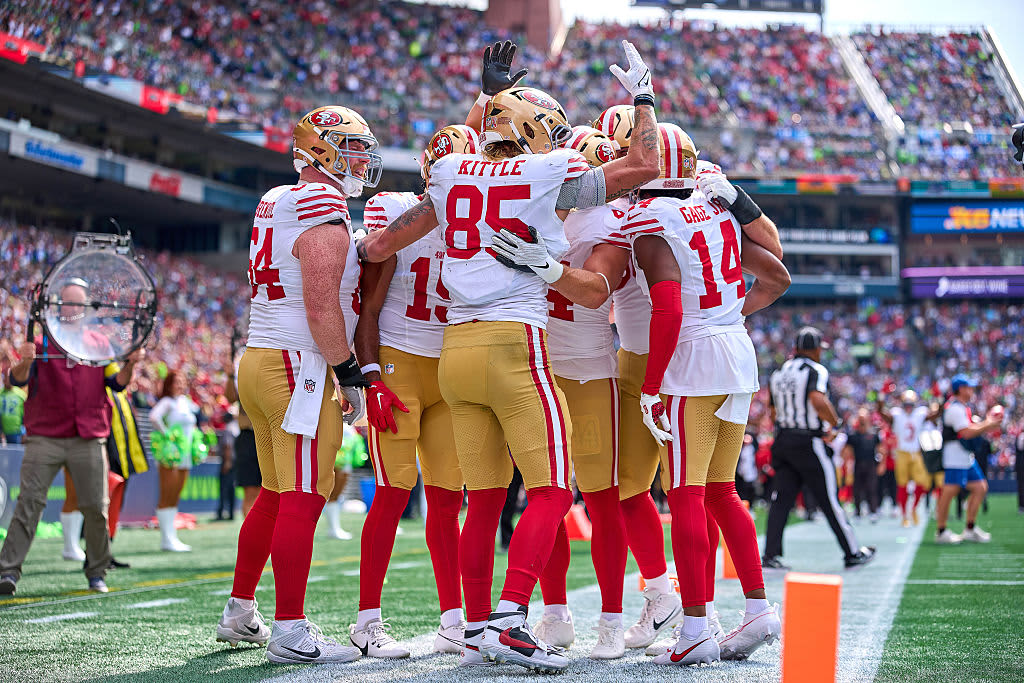
Getty Images
A New Frontier for Ultra Wealth
Ownership of professional sports franchises has long been a symbol of prestige among billionaires. Today, this trend is intensifying as high net worth families move beyond minority stakes and invest directly in controlling interests. With valuations for top league teams reaching unprecedented heights, sports ownership is no longer just about passion. It is becoming a calculated strategy for wealth preservation, influence, and cross industry integration.
Valuations Surge Across Leagues
Global sports leagues, particularly in football, basketball, and Formula One, have seen team valuations skyrocket. Revenue streams from broadcasting rights, sponsorships, merchandising, and digital fan engagement have transformed teams into highly lucrative assets. For ultra wealthy investors, securing a franchise now offers long term capital appreciation alongside the traditional social prestige of ownership.
Strategic Diversification of Portfolios
Investing in sports franchises allows families to diversify their wealth into a tangible, high visibility asset class. Unlike stocks or bonds, teams provide multiple revenue channels that are often countercyclical to traditional market cycles. From ticket sales to exclusive licensing agreements, ownership structures can deliver both steady cash flow and long term appreciation.
Access and Influence in Elite Circles
Owning a major sports franchise provides more than financial returns. It offers entrée into powerful networks of global business leaders, media executives, and government stakeholders. Many families leverage team ownership to influence marketing deals, sponsorship strategies, and cross industry ventures. In this sense, franchises function as both assets and strategic platforms.
Expanding into Emerging Markets
Some high net worth families are targeting franchises in rapidly growing sports markets across Asia, the Middle East, and South America. Rising local incomes, increasing digital engagement, and expanding youth participation make these regions ripe for long term growth. Investors who enter early stand to benefit from both appreciation and market influence.
Philanthropy and Brand Alignment
Sports teams offer unique opportunities to align family brands with philanthropic initiatives. Foundations can sponsor youth programs, community projects, and environmental campaigns through team platforms. This dual approach enhances social impact while reinforcing the franchise’s public image, creating a synergy between personal values and asset management.
Leveraging Media and Digital Engagement
Modern sports franchises are increasingly tied to media ecosystems. Social media channels, streaming rights, and virtual fan experiences expand the revenue potential exponentially. Families investing in teams often integrate digital strategy into ownership plans, ensuring that both traditional and emerging monetization avenues are optimized.
Risk Management and Governance Structures
While sports ownership is lucrative, it carries operational and reputational risks. High net worth families often install seasoned management teams, implement robust governance policies, and maintain advisory boards with legal, financial, and sports industry expertise. Risk is carefully managed to preserve asset value and protect family reputation.
Long Term Strategic Play
Professional sports franchises are not short term investments. High net worth families treat them as multi decade commitments, often across multiple generations. Strategic planning includes succession structures, contingency plans for market volatility, and integration with broader family portfolios. Patience and foresight are central to success.
The Cultural Signal of Ownership
Owning a sports team is now a clear marker of influence and strategic vision in elite circles. Beyond trophies and games, it represents the convergence of wealth, culture, and societal impact. Families who acquire and develop franchises position themselves not only as financial leaders but as custodians of community legacy and global entertainment influence.




Subscribe to unlock premium content
Sed at tellus, pharetra lacus, aenean risus non nisl ultricies commodo diam aliquet arcu enim eu leo porttitor habitasse adipiscing porttitor varius ultricies facilisis viverra lacus neque.
A comprehensive guide on Agile development

10 Productivity tools that are worth checking out

Top 7 Must have management tools for productivity

A comprehensive guide on Agile development
10 Productivity tools that are worth checking out
A comprehensive guide on Agile development