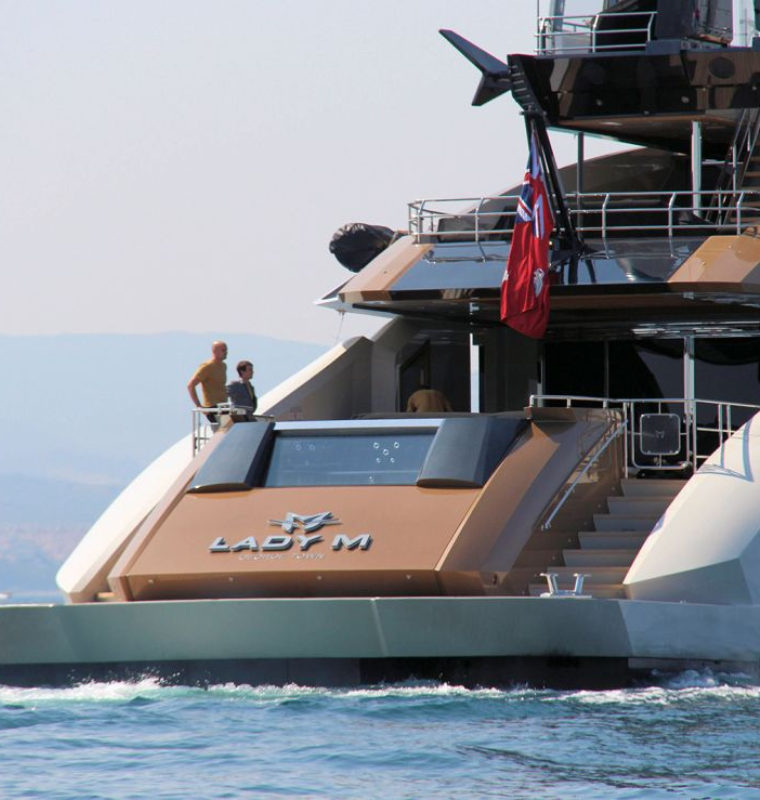

High Net Worth Investors Fuel Record Demand for Underground Luxury Bunkers With Full Smart City Integration
By
John Carter
Last updated:
April 28, 2026
First Published:
April 28, 2026


Photo: CNN
Expansion of Subterranean Luxury Infrastructure
A growing segment of ultra high net worth investors is allocating capital toward advanced underground bunker systems designed not as emergency shelters alone but as fully functional luxury residences. These developments are increasingly positioned as long term continuity environments capable of sustaining elite lifestyles independent of surface level disruptions.
Evolution From Survival Spaces to Luxury Living Ecosystems
Modern bunker design has moved far beyond basic survival architecture. These spaces now include high end residential interiors, private wellness centers, entertainment zones, and curated environmental systems that replicate or exceed surface level luxury living standards.
Integration of Smart City Level Systems Underground
The most advanced installations now incorporate smart city level infrastructure. This includes automated energy grids, controlled agricultural systems, private water purification networks, and AI managed environmental regulation that ensures long term operational independence.
Privacy and Controlled Access Architecture
Privacy remains a core driver of demand. Underground luxury systems are engineered with layered access control mechanisms that restrict entry through biometric verification, encrypted identity systems, and multi stage security protocols designed for elite confidentiality.
Psychological Design and Long Term Habitation Comfort
Designers are increasingly focusing on psychological sustainability within subterranean environments. This includes simulated natural lighting systems, open spatial architecture, and environmental variation technologies intended to reduce sensory isolation during extended stays.
Geographic Diversification of Underground Projects
Demand is not concentrated in a single region. High net worth individuals are commissioning underground developments across multiple jurisdictions, often pairing surface estates with concealed subterranean extensions to create dual layer property systems.
Integration With Surface Luxury Estates
Many of these bunkers are directly connected to surface level luxury properties such as villas, private compounds, or resort estates. This integration allows seamless transition between visible luxury lifestyles and fully protected underground environments.
Advanced Self Sufficiency Systems
Modern bunker complexes are designed for extended autonomy. Food production systems, medical support infrastructure, and energy independence technologies are incorporated to support long duration occupancy without external dependency.
Wealth Preservation Through Risk Isolation Strategy
The primary motivation behind these investments is increasingly linked to risk isolation. Ultra wealthy investors are treating underground systems as a form of structural wealth preservation against geopolitical instability, environmental uncertainty, and systemic disruptions.
Controlled Mobility and Exit Strategy Engineering
These environments are also being designed with controlled mobility systems that allow discreet and secure exit routes if required. This includes underground transport links, secure transit corridors, and private aviation integration points.
Future Outlook of Subterranean Elite Infrastructure
The trajectory of this sector suggests continued expansion into fully integrated subterranean ecosystems. Future developments may evolve into distributed underground networks connected across regions, forming a hidden layer of global elite infrastructure that operates parallel to surface society.



Subscribe to unlock premium content
Sed at tellus, pharetra lacus, aenean risus non nisl ultricies commodo diam aliquet arcu enim eu leo porttitor habitasse adipiscing porttitor varius ultricies facilisis viverra lacus neque.
A comprehensive guide on Agile development

10 Productivity tools that are worth checking out

Top 7 Must have management tools for productivity

A comprehensive guide on Agile development
10 Productivity tools that are worth checking out
A comprehensive guide on Agile development