
Wealthy Collectors Drive Frenzy in Invisible Luxury Assets Including Digital Estates and Private Metaverse Realms
By
Maya K.
Last updated:
April 28, 2026
First Published:
April 28, 2026


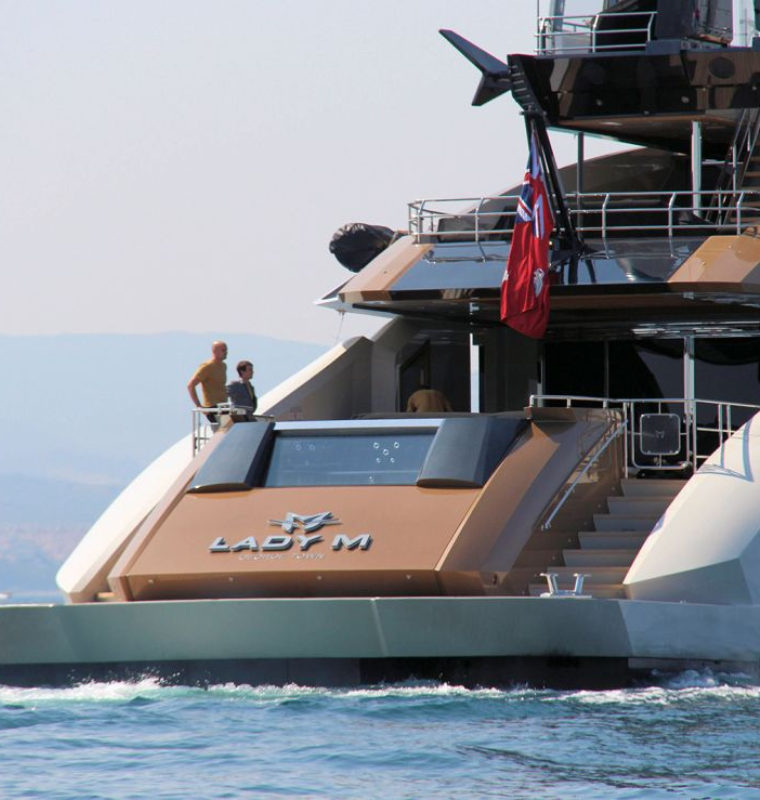
Photo: Financial Post
Rise of Non Physical Luxury Asset Classes
A new category of luxury wealth is emerging that exists entirely outside traditional physical ownership frameworks. Ultra high net worth individuals are increasingly allocating capital into invisible luxury assets such as digital estates, encrypted private domains, and exclusive metaverse environments designed for personal or controlled social use.
Digital Estates as Private Wealth Territories
Digital estates are becoming structured as fully owned virtual territories within secure digital ecosystems. These estates are not public spaces but privately controlled environments that can include architecture, landscapes, curated galleries, and interactive social zones accessible only to invited participants.
Metaverse Realms as Controlled Social Luxury
Private metaverse realms are evolving into controlled luxury environments where social interaction is carefully curated. Unlike open virtual platforms, these realms operate under strict access systems that replicate exclusivity models found in elite physical clubs and private island communities.
Invisible Luxury as a Status Category
A defining feature of this trend is invisibility. Unlike yachts, cars, or jewelry, these assets are not publicly observable in physical space. Their value is recognized primarily through digital verification systems and private networks, making them a discreet but powerful form of wealth signaling.
Blockchain Based Ownership Verification Systems
Ownership of these assets is typically recorded through blockchain based verification systems that ensure authenticity and transferability. These systems provide a transparent but private ledger that confirms asset control without exposing public identity details.
Investment Behavior of Ultra High Net Worth Collectors
Collectors are increasingly treating invisible assets as long term portfolio components rather than speculative experiments. The appeal lies in their portability, low physical maintenance requirements, and ability to exist independently of geographic or political constraints.
Integration With Real World Luxury Portfolios
Invisible assets are often integrated with physical luxury holdings such as real estate, private aviation, and collectible art. This creates hybrid portfolios where digital and physical assets reinforce each other in terms of exclusivity and brand identity.
Scarcity Engineering in Digital Luxury Markets
Scarcity remains a core principle even in digital environments. Developers intentionally limit the number of estates, realms, or access keys available to maintain perceived value. This engineered scarcity mirrors traditional luxury market dynamics but operates in virtual infrastructure.
Private Community Layering and Access Hierarchies
Access to these assets is structured through layered membership systems. Some users are granted viewing rights, others interaction privileges, and only a select few receive administrative control over digital environments. This hierarchy reinforces exclusivity within virtual spaces.
Future Outlook of Invisible Wealth Ecosystems
The evolution of invisible luxury assets suggests a broader transformation in how wealth is defined and stored. As digital environments become more immersive and economically significant, these assets may eventually function as core components of global high net worth portfolios alongside traditional physical investments.




Subscribe to unlock premium content
Sed at tellus, pharetra lacus, aenean risus non nisl ultricies commodo diam aliquet arcu enim eu leo porttitor habitasse adipiscing porttitor varius ultricies facilisis viverra lacus neque.
A comprehensive guide on Agile development

10 Productivity tools that are worth checking out

Top 7 Must have management tools for productivity

A comprehensive guide on Agile development
10 Productivity tools that are worth checking out
A comprehensive guide on Agile development
.png)