

High Net Worth Spending Patterns Reveal a Shift Away From Status Purchases
By
Sophie Moore
Last updated:
January 19, 2026
First Published:
January 19, 2026


hoto: Premium Japan
A Quiet Transformation in Elite Spending
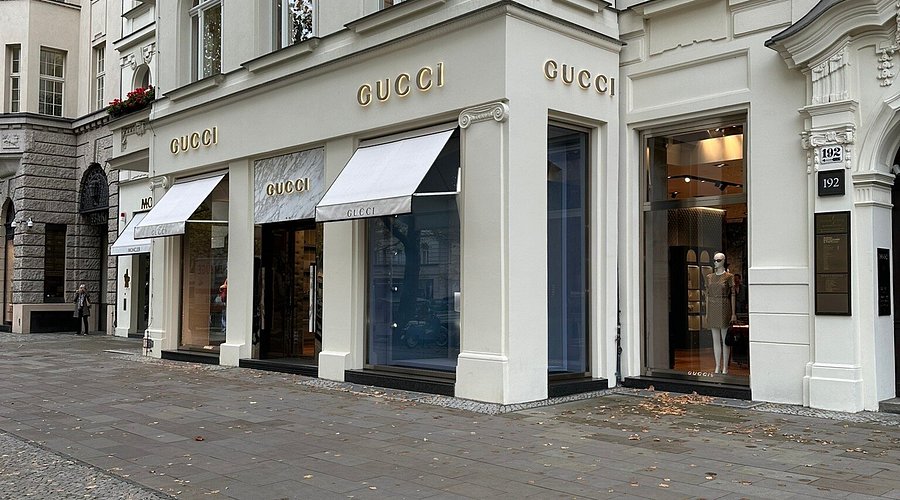
Across global markets, the ultra affluent are increasingly reexamining how they allocate their financial resources. Traditional markers of status such as flashy cars, conspicuous real estate, and branded goods are losing their appeal. The wealthiest individuals are seeking investments and experiences that reflect personal values, longevity, and control rather than public perception.
From Display to Discretion
For generations, high net worth individuals have used visible luxury items to signal status. Today, discretion is becoming the defining feature of true wealth. Subtlety in lifestyle choices has replaced overt displays, as privacy, security, and individuality take precedence over recognition or admiration.
Experiences Over Material Goods
Rather than acquiring items that signify social standing, the modern wealthy prioritize transformative experiences. Curated travel, private wellness programs, and immersive educational opportunities are replacing the traditional accumulation of status symbols. The value now lies in uniqueness, personal enrichment, and long-lasting memories.
The Rise of Long-Term Value Thinking
Purchases among the wealthy are increasingly evaluated for their durability and potential return over decades rather than immediate gratification or trend relevance. Art, heritage property, and bespoke investments are favored over mass-produced luxury items, as they combine aesthetic pleasure with tangible or cultural worth.
Financial Efficiency Meets Lifestyle Design
Spending decisions are now guided by financial prudence integrated with lifestyle benefits. Elite consumers consider cost relative to security, efficiency, and control. Luxury goods are often functional, adaptive, and aligned with long-term goals rather than purely symbolic acquisitions.
Technology Shapes Discerning Consumption
Digital wealth management, secure communications, and virtual marketplaces allow affluent buyers to access bespoke offerings that were previously unattainable. Technology has enabled the wealthy to tailor their consumption to exact specifications, favoring utility and personal preference over mass appeal.
Sustainability and Social Awareness Matter
Increasingly, high net worth individuals factor environmental and social impact into their spending. Brands that align with responsible practices, authenticity, and heritage gain favor over those relying solely on marketing hype. Ethical considerations now accompany prestige as a measure of value.
Networks Influence Spending Decisions
Elite social networks are becoming more private and selective, influencing purchasing patterns. Recommendations come from trusted peers, industry insiders, and advisors rather than public media or marketing campaigns. This peer-driven model reinforces selective and strategic consumption.
Redefining Wealth Identity
The decline in status purchases signals a broader redefinition of wealth identity. Confidence, expertise, and control have replaced external validation. Choosing restraint over excess is itself a marker of power, signaling maturity and sophistication in wealth management and lifestyle philosophy.
Implications for the Luxury Market
Luxury brands that rely on trend cycles and mass visibility must rethink their approach. The future will favor products and experiences designed for discretion, personalization, and enduring value. For the affluent, luxury is no longer about being seen but about being understood and supported in private.



Subscribe to unlock premium content
Sed at tellus, pharetra lacus, aenean risus non nisl ultricies commodo diam aliquet arcu enim eu leo porttitor habitasse adipiscing porttitor varius ultricies facilisis viverra lacus neque.
A comprehensive guide on Agile development

10 Productivity tools that are worth checking out
Top 7 Must have management tools for productivity

A comprehensive guide on Agile development
10 Productivity tools that are worth checking out
A comprehensive guide on Agile development