

Inside the Billionaire Migration Trend Reshaping Luxury Hotspots From Miami to Monaco
By
Sophie Moore
Last updated:
June 15, 2026
First Published:
June 15, 2026


Photo: Ivan and Mike
The movement of wealth has always influenced the rise and fall of luxury destinations. Throughout history, affluent individuals have sought locations that offer favorable economic conditions, exceptional lifestyles, security, and opportunities for wealth preservation. In 2026, a growing migration trend among billionaires is reshaping some of the world's most prestigious cities and regions, creating ripple effects across luxury real estate, hospitality, investment markets, and local economies.
From the sunny waterfront neighborhoods of Miami to the glamorous coastline of Monaco, wealthy individuals are increasingly relocating their residences and business operations to destinations that align with their financial goals and personal lifestyles. This movement is not merely a temporary shift. It represents a significant transformation in how the world's wealthiest people choose where to live, invest, and build their futures.
The Rise of Global Wealth Mobility
Modern billionaires enjoy a level of mobility that previous generations could rarely imagine. Advances in technology, international business networks, and global connectivity have made it easier than ever to manage companies, investments, and personal affairs from virtually anywhere.
As a result, location decisions are increasingly based on lifestyle quality, taxation policies, political stability, infrastructure, and access to exclusive communities. Wealthy individuals are no longer tied to traditional financial centers. Instead, they are carefully selecting destinations that provide both personal satisfaction and strategic advantages.
This flexibility has accelerated the movement of capital across borders and contributed to the emergence of new luxury hotspots around the world.
Why Miami Continues to Attract Billionaires
Miami has become one of the most discussed destinations in the global wealth migration story. Over the past several years, the city has transformed from a seasonal vacation destination into a major hub for finance, technology, entrepreneurship, and luxury living.
The city's warm climate, waterfront lifestyle, expanding business ecosystem, and attractive tax environment have encouraged many wealthy individuals to establish permanent residences there. Luxury residential developments continue to rise along the skyline, while exclusive neighborhoods attract buyers seeking privacy and prestige.
For many billionaires, Miami represents a unique combination of business opportunity and lifestyle appeal that few cities can match.
Monaco Remains the Ultimate Symbol of Prestige
While newer destinations continue gaining attention, Monaco maintains its position as one of the world's most exclusive locations for the ultra wealthy. The principality offers an unmatched blend of luxury, security, and international status.
Its picturesque coastline, world famous events, luxury shopping districts, and concentration of affluent residents make it one of the most desirable addresses on the planet. Despite its limited size, Monaco continues attracting billionaires who value privacy, sophistication, and proximity to major European business centers.
The scarcity of available real estate further enhances its appeal, ensuring that demand remains exceptionally strong.
Tax Considerations Influence Relocation Decisions
One of the most significant factors driving billionaire migration is the search for tax efficiency. Wealthy individuals often evaluate jurisdictions based on how they treat income, capital gains, inheritance planning, and business ownership structures.
While taxation is rarely the only consideration, it frequently plays a major role in relocation decisions. Many affluent families seek destinations that provide regulatory stability and long term predictability.
This trend has intensified competition among luxury destinations that wish to attract wealthy residents and the economic benefits they bring. Cities and regions increasingly recognize that attracting high net worth individuals can stimulate investment, employment, and development.
Luxury Real Estate Markets Experience Major Growth
The arrival of billionaire residents often transforms local real estate markets. Demand for prime residences increases rapidly as wealthy buyers compete for the most prestigious properties available.
Developers respond by launching luxury projects that incorporate world class amenities, advanced technology, wellness facilities, and personalized services. In many cases, entirely new neighborhoods emerge to meet the expectations of affluent residents.
The influence of billionaire migration can extend beyond individual transactions. Rising demand often attracts additional investors, luxury retailers, hospitality brands, and service providers, creating a broader ecosystem of wealth.
Lifestyle Has Become a Strategic Asset
For today's billionaires, lifestyle is no longer viewed as separate from business success. Instead, it has become an important component of overall wealth management and personal fulfillment.
Many affluent individuals prioritize destinations that offer exceptional quality of life, outdoor recreation, cultural experiences, wellness opportunities, and access to exclusive social networks. These factors increasingly influence relocation decisions alongside financial considerations.
Luxury hotspots that successfully combine business infrastructure with lifestyle advantages are often the greatest beneficiaries of this trend.
Technology Makes Location Less Important
The digital economy has fundamentally changed the relationship between wealth and geography. Entrepreneurs, investors, and executives can now oversee global operations without maintaining a constant physical presence in traditional business centers.
Video conferencing, cloud based collaboration tools, and advanced communication platforms allow wealthy individuals to manage complex enterprises from virtually any location.
This flexibility has encouraged many billionaires to choose residences based on personal preferences rather than proximity to corporate headquarters. As a result, luxury destinations are becoming increasingly competitive in attracting wealthy residents.
Hospitality and Luxury Brands Follow the Wealth
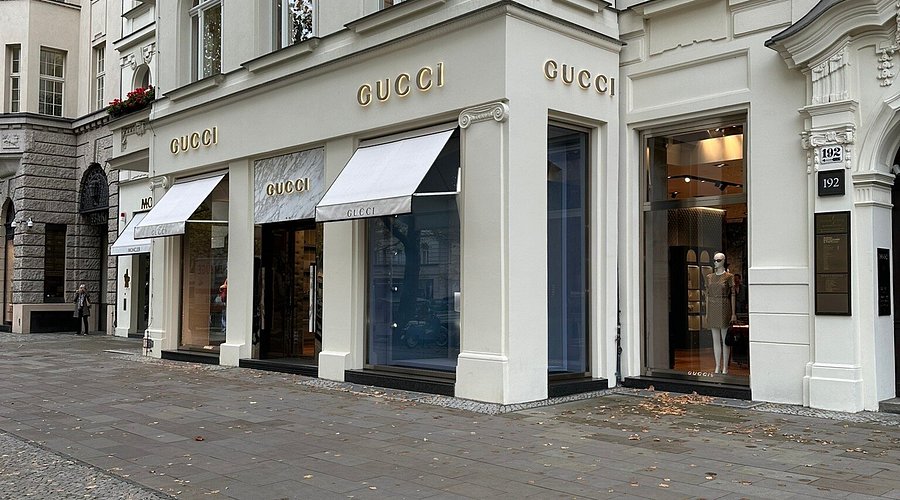
As billionaires relocate, luxury brands often follow. High end retailers, private clubs, luxury hotels, and premium service providers recognize the value of establishing a presence near concentrations of wealth.
This creates a reinforcing cycle in which luxury destinations become even more attractive as additional amenities and services are introduced. Residents gain access to enhanced experiences, while businesses benefit from a highly affluent customer base.
The result is a continuously evolving luxury ecosystem designed to meet the expectations of the world's wealthiest consumers.
Emerging Destinations Enter the Competition
Although established luxury centers remain dominant, several emerging destinations are beginning to attract significant attention from wealthy individuals. Regions that offer political stability, modern infrastructure, attractive tax environments, and exceptional lifestyle opportunities are increasingly positioning themselves as alternatives to traditional hubs.
These destinations are investing heavily in luxury real estate, transportation infrastructure, hospitality offerings, and business development initiatives. Their goal is to attract global wealth and participate in the economic benefits associated with billionaire migration.
As competition intensifies, affluent individuals will have more choices than ever before regarding where to live and invest.
Economic Impact Extends Beyond Luxury Markets
The influence of billionaire migration reaches far beyond luxury real estate and consumer spending. Wealth relocation often generates employment opportunities, supports local businesses, increases tax revenues through indirect economic activity, and encourages infrastructure investment.
Construction firms, architects, financial advisors, property managers, legal professionals, and hospitality providers frequently benefit from the influx of affluent residents. Entire industries can experience growth as a result of increased demand for specialized services.
For many cities and regions, attracting wealthy residents has become an important component of long term economic development strategies.
The Future of Global Wealth Migration
The trend of billionaire migration is unlikely to slow in the coming years. As global wealth continues expanding and technological advancements increase mobility, affluent individuals will maintain the ability to choose locations that best align with their objectives.
Future luxury hotspots will likely be defined by a combination of economic opportunity, lifestyle quality, environmental sustainability, security, and global connectivity. Destinations capable of delivering these advantages will remain highly competitive in attracting wealthy residents.
The relationship between wealth and geography is evolving, creating new opportunities for cities willing to adapt to the needs of modern affluent populations.
The migration of billionaires from one luxury destination to another represents far more than a change of address. It is a powerful economic force that influences real estate markets, luxury industries, business investment, and regional development.
From Miami to Monaco and beyond, the movement of global wealth is reshaping the world's most prestigious locations. As billionaires continue seeking environments that support both prosperity and lifestyle excellence, luxury hotspots will remain at the center of this fascinating transformation. The destinations that successfully attract and retain wealth today may well define the global luxury landscape of tomorrow.


Subscribe to unlock premium content
Sed at tellus, pharetra lacus, aenean risus non nisl ultricies commodo diam aliquet arcu enim eu leo porttitor habitasse adipiscing porttitor varius ultricies facilisis viverra lacus neque.
A comprehensive guide on Agile development

10 Productivity tools that are worth checking out

Top 7 Must have management tools for productivity

A comprehensive guide on Agile development
10 Productivity tools that are worth checking out
A comprehensive guide on Agile development