
Luxury Brands Race to Capture Next Generation Wealth as Young High Net Worth Consumers Redefine Prestige
By
John Carter
Last updated:
June 15, 2026
First Published:
June 15, 2026

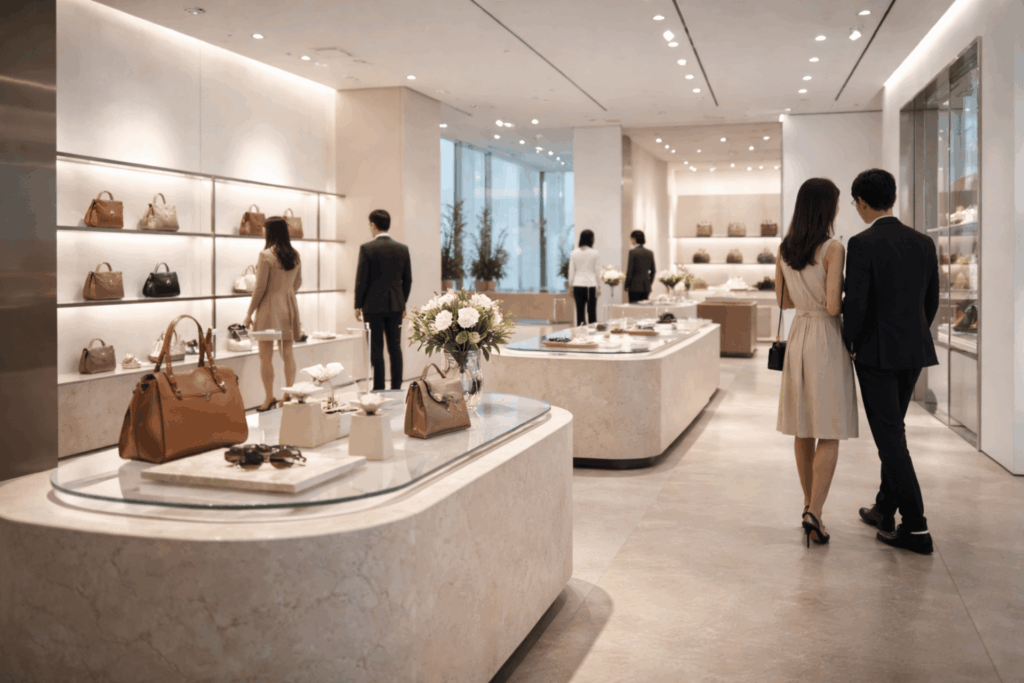
The global luxury industry is entering a period of significant transformation as a younger generation of wealthy consumers begins to reshape the meaning of prestige. For decades, luxury brands built their identities around tradition, exclusivity, heritage, and craftsmanship. While these qualities remain important, affluent consumers in their twenties, thirties, and early forties are bringing new expectations to the marketplace.
This shift is creating both opportunities and challenges for luxury companies across fashion, jewelry, automobiles, hospitality, real estate, and lifestyle services. As younger high net worth individuals accumulate wealth through technology, entrepreneurship, finance, and digital industries, their spending habits are influencing the future direction of luxury markets worldwide.
The race to capture this emerging consumer base has become one of the most important competitive battles within the global luxury sector.
The Rise of a New Wealth Generation
The profile of affluent consumers has changed dramatically over the past decade. Many younger wealthy individuals have built fortunes at earlier ages than previous generations through startup ventures, digital businesses, investment success, and innovation driven industries.
Unlike traditional wealth holders who often inherited family fortunes or accumulated assets gradually over decades, many of today's affluent consumers have experienced rapid wealth creation. This difference has shaped their perspectives on spending, ownership, and luxury consumption.
As a result, brands are increasingly adapting their strategies to connect with a generation that values experiences, authenticity, and personal expression alongside traditional luxury attributes.
Prestige Is No Longer Defined Solely by Price
For younger wealthy consumers, prestige extends beyond expensive products and recognizable logos. While quality remains important, many affluent buyers now place greater emphasis on uniqueness, individuality, and meaningful experiences.
Ownership alone is no longer sufficient to establish status. Instead, consumers seek products and services that reflect personal values, creativity, and lifestyle preferences.
This shift has encouraged luxury companies to rethink how they communicate exclusivity. Brands are moving away from purely product centered marketing and toward narratives that emphasize culture, craftsmanship, innovation, and personal connection.
Experiences Are Becoming More Valuable Than Possessions
One of the most significant changes in luxury spending involves the growing preference for experiences over material acquisitions. Younger affluent consumers frequently prioritize travel, wellness, private events, exclusive memberships, and personalized services.
Luxury experiences provide opportunities for personal enrichment while creating memorable moments that can be shared with friends, family, and social communities. Many wealthy consumers view these experiences as more meaningful than simply acquiring additional possessions.
As a result, luxury hospitality providers, private travel companies, and premium lifestyle brands are experiencing strong demand from younger high net worth individuals.
Digital Influence Shapes Luxury Purchasing Decisions
Technology plays a central role in how younger affluent consumers interact with luxury brands. Digital platforms have become essential channels for product discovery, brand engagement, and purchasing decisions.
Social media, video content, online communities, and creator driven platforms influence consumer preferences in ways that traditional advertising cannot easily replicate. Younger wealthy buyers often research extensively before making purchases and value authentic recommendations over conventional promotional campaigns.
Luxury companies are investing heavily in digital experiences to ensure they remain relevant within this rapidly evolving environment.
Sustainability Has Become a Luxury Expectation
Environmental responsibility is increasingly important among younger affluent consumers. Many buyers expect luxury brands to demonstrate commitment to sustainable practices, ethical sourcing, and responsible production methods.
This expectation extends across multiple industries including fashion, jewelry, automotive manufacturing, hospitality, and real estate. Consumers are paying closer attention to how products are made, where materials originate, and how companies address environmental concerns.
Brands that successfully align luxury with sustainability are often better positioned to attract younger high net worth audiences seeking responsible consumption choices.
Personalization Is the New Standard
Modern luxury consumers expect experiences tailored specifically to their preferences. Personalized products, custom services, and exclusive access opportunities have become major drivers of customer satisfaction.
From bespoke fashion and made to order vehicles to individualized travel itineraries and private shopping experiences, customization allows affluent consumers to express their identities through luxury purchases.
This growing demand for personalization is encouraging brands to invest in technologies and services that create deeper customer relationships.
Luxury Real Estate Reflects Changing Priorities
The preferences of younger wealthy consumers are also influencing luxury real estate markets. Homebuyers increasingly seek properties that support wellness, remote work flexibility, sustainability, and integrated technology.
Modern luxury residences often feature fitness facilities, wellness spaces, smart home systems, energy efficient designs, and private outdoor environments. These amenities reflect the broader lifestyle priorities of younger affluent individuals.
Developers are adapting quickly as demand grows for homes that combine comfort, functionality, and long term value.
Authenticity Drives Brand Loyalty
Younger wealthy consumers tend to be highly selective about the brands they support. Authenticity has become one of the most valuable assets within the luxury marketplace.
Consumers want to understand a brand's history, mission, values, and commitment to quality. Companies that successfully communicate genuine stories often develop stronger emotional connections with customers.
This focus on authenticity is encouraging luxury brands to highlight craftsmanship, heritage, and transparency while avoiding marketing approaches that appear overly commercial or disconnected from consumer values.
The Global Luxury Landscape Is Expanding
The next generation of wealth is emerging from increasingly diverse regions and industries. Entrepreneurs, investors, technology founders, creators, and professionals from around the world are contributing to the expansion of the global affluent population.
This diversification is creating new opportunities for luxury brands to engage with consumers across multiple markets. Companies are developing region specific strategies while maintaining the exclusivity and prestige that define luxury positioning.
The result is a more dynamic and globally connected luxury ecosystem than ever before.
Innovation Becomes a Competitive Advantage
Innovation is no longer limited to technology companies. Luxury brands increasingly rely on innovation to differentiate themselves within highly competitive markets.
Whether through digital experiences, advanced materials, personalized services, or creative collaborations, innovation helps brands remain relevant to younger consumers who expect continuous evolution.
Companies that successfully combine tradition with innovation often achieve stronger engagement among affluent audiences seeking both heritage and modernity.
The Future of Luxury Consumption
As younger wealthy consumers continue accumulating assets, their influence on luxury markets will become even more significant. Future spending patterns are likely to emphasize experiences, sustainability, personalization, authenticity, and technology integration.
Luxury companies that understand these evolving priorities will be better positioned to build long term relationships with emerging affluent consumers. Those that fail to adapt may struggle to maintain relevance within an increasingly competitive environment.
The transformation underway is not temporary. It represents a fundamental shift in how prestige is defined and experienced by the next generation of wealth holders.
The competition to attract younger high net worth consumers is reshaping the global luxury industry. These affluent individuals are redefining prestige by prioritizing authenticity, experiences, sustainability, personalization, and meaningful engagement over traditional symbols of status.
As luxury brands race to meet these changing expectations, the entire sector is evolving. The next generation of wealth is not rejecting luxury. Instead, it is transforming luxury into something more personal, more purposeful, and more closely aligned with modern lifestyles.
For luxury companies worldwide, understanding this new definition of prestige may be the key to future growth and long term success.
Subscribe to unlock premium content
Sed at tellus, pharetra lacus, aenean risus non nisl ultricies commodo diam aliquet arcu enim eu leo porttitor habitasse adipiscing porttitor varius ultricies facilisis viverra lacus neque.
A comprehensive guide on Agile development

10 Productivity tools that are worth checking out

Top 7 Must have management tools for productivity

A comprehensive guide on Agile development
10 Productivity tools that are worth checking out
A comprehensive guide on Agile development