
Luxury Automakers Compete in Bespoke Interior Craftsmanship as Buyers Demand Fully Commissioned One Off Vehicle Designs
By
Sophie Moore
Last updated:
April 16, 2026
First Published:
April 16, 2026

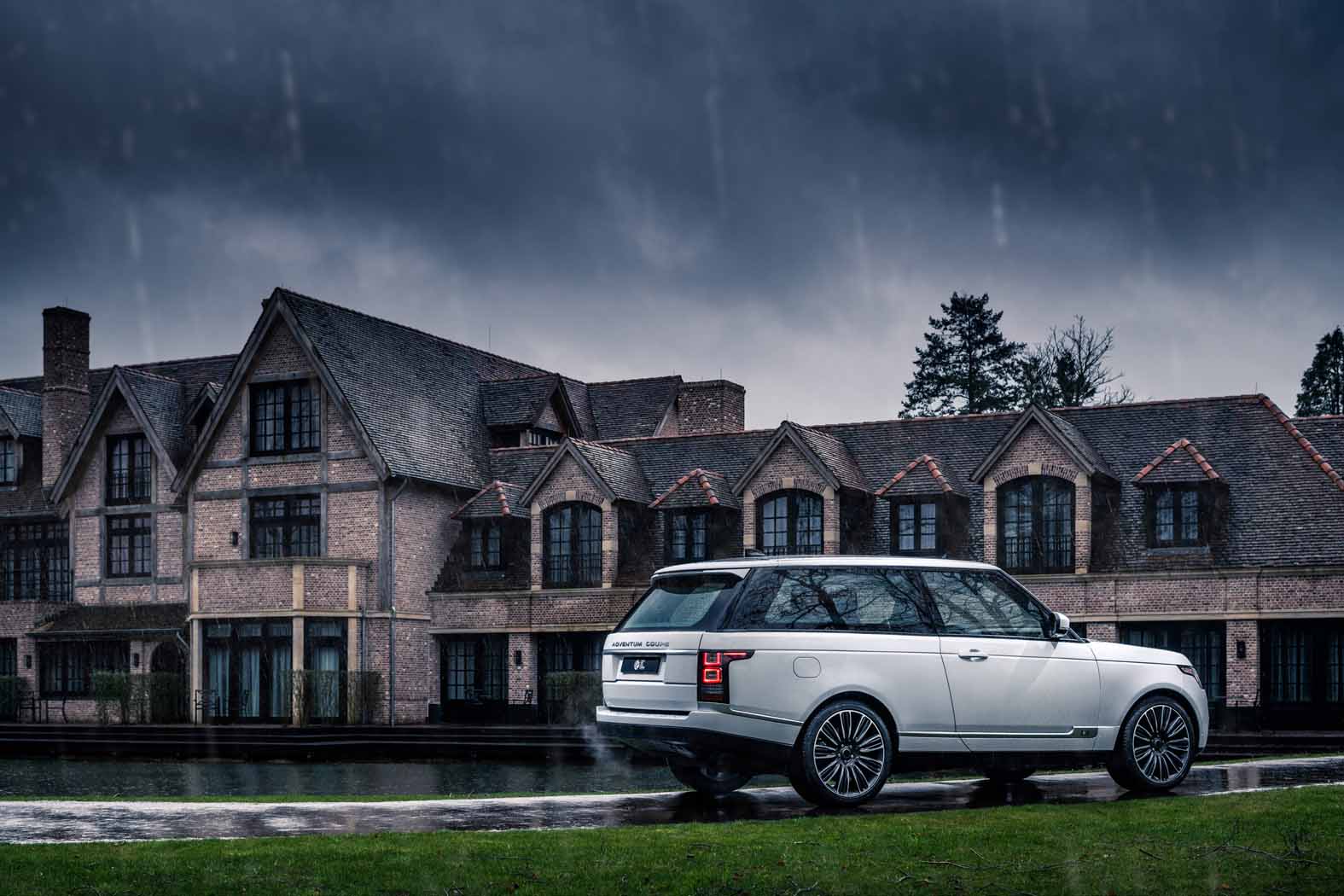
Photo: Niels van Roij Design
The ultra luxury automotive sector is undergoing a major transformation as high net worth buyers move away from configurable options and toward fully commissioned one off vehicles. Instead of selecting from predefined trims or limited customization packages, clients are now demanding entirely unique interior and exterior designs created exclusively for a single owner.
This shift has elevated bespoke craftsmanship to the center of automotive production. Luxury manufacturers are increasingly operating like design studios, where each vehicle begins as a blank architectural concept rather than a variation of an existing model. Every element, from body shape refinements to interior layout, is treated as a unique design problem solved for a single client.
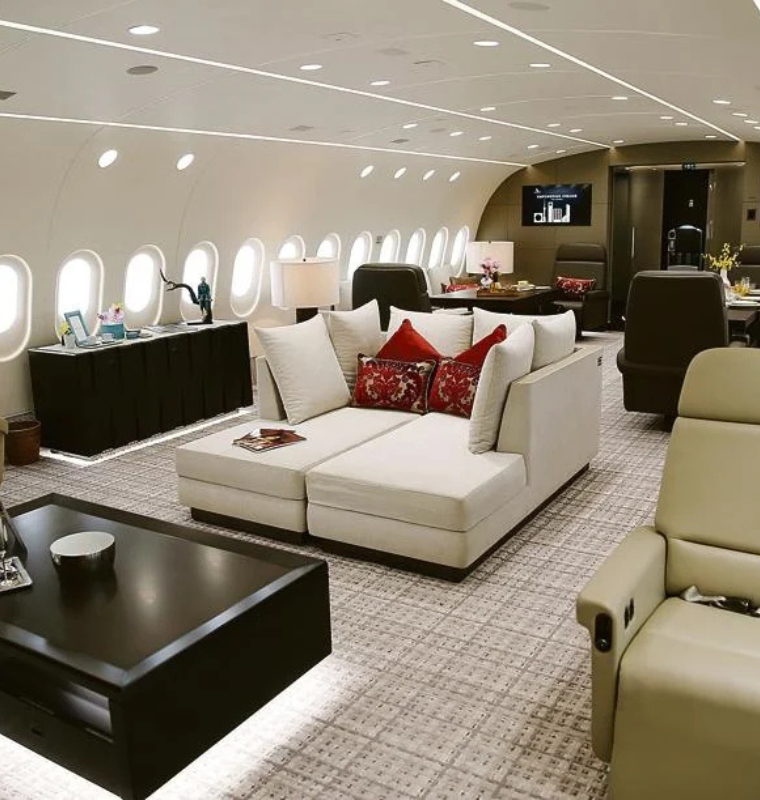
Interior craftsmanship has become the primary focus of this evolution. Buyers are requesting cabin environments that reflect personal lifestyle preferences, including custom seating geometries, handcrafted surface materials, and individually selected rare woods, leathers, and metals. These interiors often take inspiration from private residences rather than traditional automotive design language.
Manufacturers are responding by expanding their artisan divisions. Skilled craftspeople specializing in leatherwork, metal finishing, wood inlay, and textile design are being brought into dedicated bespoke departments. Each commissioned vehicle can require hundreds of hours of manual labor, ensuring that no two builds share identical interior detailing.
Technology integration is also being reimagined within these bespoke vehicles. Instead of standardized infotainment systems, clients are requesting discreet, fully integrated digital environments that blend into the cabin architecture. Screens, controls, and interfaces are often hidden or designed to appear only when needed, preserving a clean and highly personalized aesthetic.
The concept of ownership is shifting alongside design philosophy. These vehicles are no longer viewed as mass produced luxury goods but as singular expressions of identity. For many buyers, commissioning a vehicle is similar to commissioning a private artwork, where the final result reflects personal taste, status, and creative collaboration.
Global luxury automakers are also restructuring their production pipelines to accommodate this demand. Traditional assembly line logic is giving way to low volume, high complexity production models. Each bespoke commission requires direct involvement from design teams, engineers, and client liaison specialists over extended development timelines.
Exclusivity plays a central role in this market. Many of these one off vehicles are never publicly revealed or displayed, existing solely within private collections. This controlled visibility enhances their perceived value, as rarity is reinforced not only through design uniqueness but also through limited public exposure.
The financial implications are significant, with bespoke commissions often exceeding the cost of standard flagship models by several multiples. However, for ultra high net worth clients, the value lies not in performance metrics alone but in the individuality and permanence of the creation.
As this trend accelerates, bespoke automotive design is redefining the boundaries of luxury mobility. The future of ultra premium vehicles is moving toward fully individualized creation, where each car functions as a personal statement piece rather than a product category within a broader lineup.\



Subscribe to unlock premium content
Sed at tellus, pharetra lacus, aenean risus non nisl ultricies commodo diam aliquet arcu enim eu leo porttitor habitasse adipiscing porttitor varius ultricies facilisis viverra lacus neque.
A comprehensive guide on Agile development

10 Productivity tools that are worth checking out
Top 7 Must have management tools for productivity

A comprehensive guide on Agile development
10 Productivity tools that are worth checking out
A comprehensive guide on Agile development