
Private Aviation Industry Unveils Next Generation Silent Cabins Focused on Total Sensory Isolation
By
Maya K.
Last updated:
April 16, 2026
First Published:
April 16, 2026

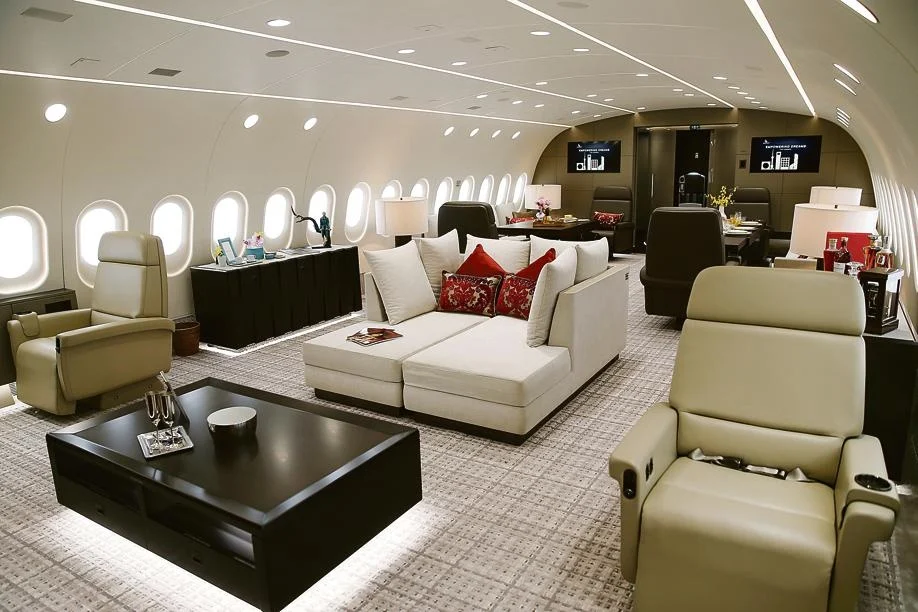
Private aviation is entering a new design phase centered on sensory reduction rather than visual excess. The latest generation of private aircraft interiors is being engineered around silent cabin environments that prioritize acoustic control, vibration minimization, and complete sensory isolation for passengers.
At the heart of this innovation is advanced noise cancellation architecture integrated directly into the airframe. Instead of relying solely on headset based systems, manufacturers are embedding structural dampening materials and active vibration control mechanisms into cabin walls, flooring, and seating structures. The goal is to reduce ambient sound to near imperceptible levels during flight.
Cabin design is also shifting toward psychological comfort through controlled sensory environments. Lighting systems are being calibrated to simulate natural circadian rhythms, while airflow systems are engineered to eliminate perceptible drafts or temperature fluctuations. These refinements contribute to a flight experience that feels static and uninterrupted even at cruising altitude.
The concept of silent cabins extends beyond noise reduction into full sensory management. Interior materials are selected for their ability to absorb micro vibrations, while seating systems are designed to isolate body movement from aircraft motion. This creates a floating sensation where external conditions feel completely detached from the passenger experience.
Ultra high net worth travelers are driving demand for this level of refinement. For many, private aviation is no longer about speed or convenience alone but about reclaiming time as a fully controlled personal environment. Silent cabins transform travel time into uninterrupted rest, work, or recovery periods without external disturbance.
Manufacturers are also incorporating modular cabin layouts that allow owners to customize interior zones according to personal use cases. These may include private sleeping suites, meditation pods, office environments, or entertainment spaces, all optimized for acoustic and sensory separation within the same aircraft.
Engineering challenges in this space are significant. Achieving true sensory isolation requires balancing weight constraints, fuel efficiency, and structural integrity. This has led to increased collaboration between aerospace engineers, material scientists, and luxury interior designers to develop solutions that meet both performance and comfort standards.
Digital systems play a supporting role by continuously monitoring cabin conditions. Real time adjustments are made to pressure, humidity, and sound levels to maintain optimal comfort throughout the flight. These systems operate invisibly, reinforcing the idea of a seamless and controlled environment.
The competitive landscape among private jet manufacturers is intensifying as silent cabin technology becomes a key differentiator. Aircraft are increasingly evaluated not just on range and speed but on the quality of internal experience, particularly for long haul private travel.
As this trend evolves, silent cabin design is expected to influence broader aviation standards. What is currently a luxury feature may eventually become a baseline expectation among premium travelers, reshaping how airborne comfort is defined in the private aviation sector.




Subscribe to unlock premium content
Sed at tellus, pharetra lacus, aenean risus non nisl ultricies commodo diam aliquet arcu enim eu leo porttitor habitasse adipiscing porttitor varius ultricies facilisis viverra lacus neque.
A comprehensive guide on Agile development

10 Productivity tools that are worth checking out

Top 7 Must have management tools for productivity

A comprehensive guide on Agile development
10 Productivity tools that are worth checking out
A comprehensive guide on Agile development