
Luxury Handbag Market Faces Turning Point as Affluent Buyers Shift Toward Vintage and Resale Collections
By
John Carter
Last updated:
June 15, 2026
First Published:
June 15, 2026

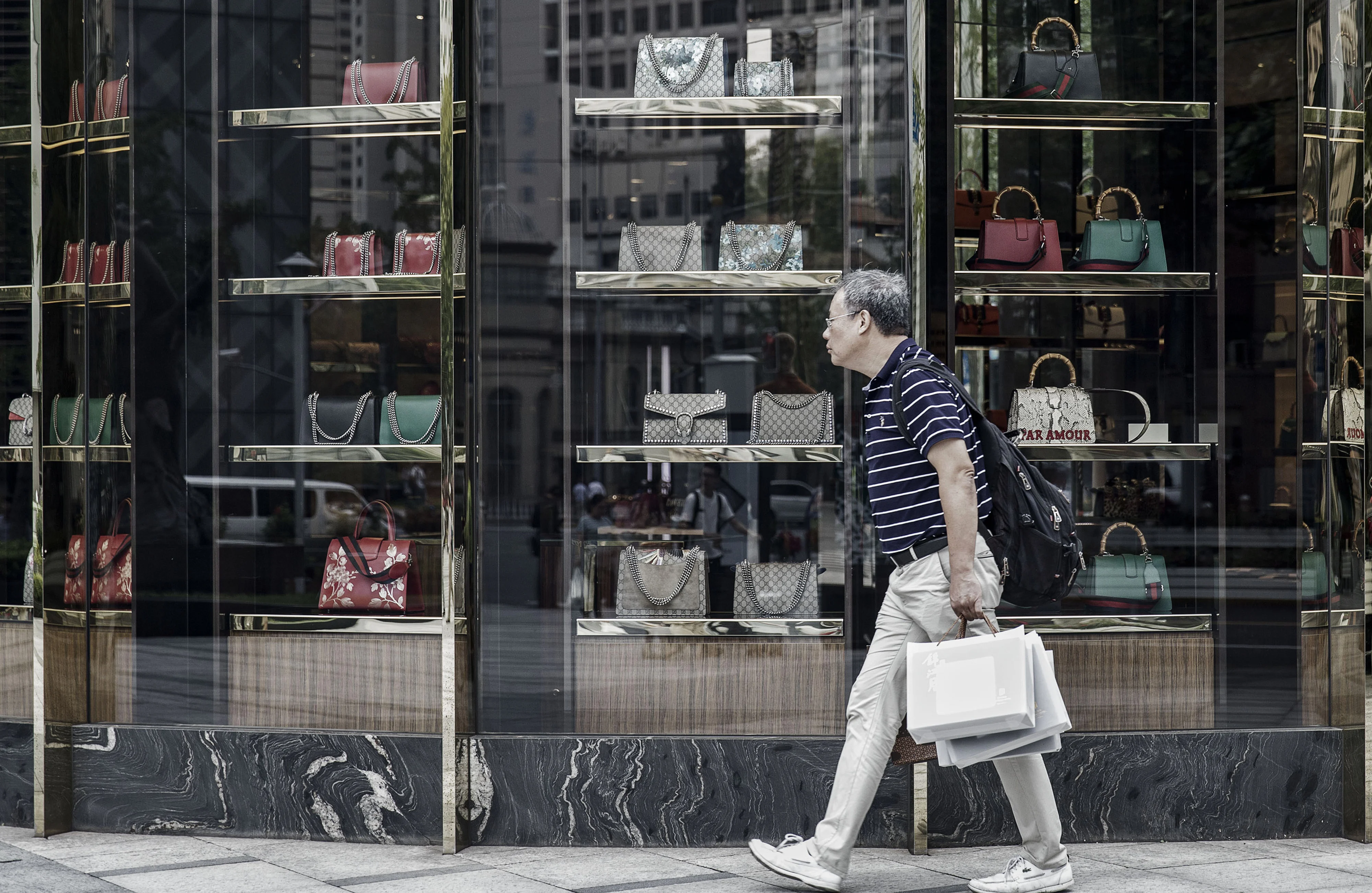
Photo: South China Morning Post
The luxury handbag industry has long been one of the strongest pillars of the global luxury market. For decades, affluent consumers eagerly purchased the latest collections from prestigious fashion houses, often viewing new releases as symbols of status, taste, and financial success. However, a significant shift is emerging in 2026 as wealthy buyers increasingly turn their attention toward vintage handbags and carefully curated resale collections.
This changing preference is creating a new chapter for luxury fashion. Rather than focusing solely on newly released products, many affluent consumers are seeking rare pieces with history, craftsmanship, and investment potential. The trend is reshaping buying behavior, influencing luxury brands, and creating new opportunities within the secondary market.
A New Definition of Luxury Is Emerging
Luxury has traditionally been associated with acquiring the newest and most exclusive products available. Today, however, wealthy consumers are placing greater emphasis on uniqueness and authenticity rather than simply purchasing the latest collection.
Vintage handbags offer qualities that many modern products cannot easily replicate. They often represent specific eras in fashion history, showcase exceptional craftsmanship, and possess a level of rarity that makes them highly desirable among collectors.
For affluent buyers, owning a piece with a compelling story has become just as important as owning a product with a prestigious logo. This evolving mindset is driving interest toward older collections and limited edition designs that are no longer available through traditional retail channels.
The Appeal of Scarcity Drives Demand
One of the strongest forces behind the growth of the vintage handbag market is scarcity. Luxury brands intentionally limit production of certain models, colors, and special editions to maintain exclusivity.
As years pass, many of these pieces become increasingly difficult to find in excellent condition. This limited availability creates strong demand among collectors and affluent consumers seeking items that stand apart from mass market luxury purchases.
Scarcity has always played a central role in luxury economics. Whether in fine art, rare watches, or collectible automobiles, limited supply often increases desirability. Vintage handbags have become part of this broader ecosystem of collectible luxury assets.
Wealthy Buyers View Handbags as Alternative Investments
A growing number of affluent consumers are approaching luxury handbags with an investment mindset. While fashion purchases were once primarily driven by personal style preferences, many buyers now consider long term value retention before making acquisitions.
Certain handbags have demonstrated remarkable performance over time, particularly those produced in limited quantities or associated with iconic collections. As a result, wealthy collectors increasingly view select handbags as tangible assets that can complement broader investment portfolios.
This shift has contributed to greater demand within the resale market, where rare pieces frequently attract intense interest from buyers around the world.
The Resale Market Gains Credibility
The luxury resale industry has undergone significant transformation over the past decade. What was once considered a niche segment has evolved into a sophisticated marketplace supported by authentication services, digital platforms, and professional dealers.
Affluent buyers are becoming more comfortable purchasing pre owned luxury items because the market now offers greater transparency and security. Detailed authentication processes help verify originality, while specialized marketplaces provide access to inventory that may be unavailable elsewhere.
As confidence in the resale ecosystem grows, wealthy consumers are increasingly willing to invest substantial sums in vintage collections.
Sustainability Influences Purchasing Decisions
Environmental awareness is becoming an important consideration for many luxury consumers. Affluent buyers are paying closer attention to sustainability and responsible consumption practices.
Purchasing vintage handbags aligns with these values by extending the lifespan of existing products rather than contributing to new production cycles. Many consumers appreciate the opportunity to enjoy luxury while supporting more sustainable forms of consumption.
This perspective has broadened the appeal of resale collections beyond traditional collectors and investors. It has introduced vintage luxury to a wider audience of environmentally conscious buyers.
Heritage and Craftsmanship Matter More Than Ever
Luxury consumers are increasingly fascinated by heritage, craftsmanship, and brand history. Vintage handbags often showcase construction techniques and materials that reflect the standards of earlier production eras.
Many collectors appreciate the attention to detail found in older pieces. Hand stitching, premium leather treatments, and distinctive design elements contribute to the lasting appeal of vintage collections.
For affluent buyers, these characteristics provide a sense of connection to fashion history while reinforcing the perception of enduring quality.
Social Media Fuels the Trend
Digital platforms have played a major role in accelerating interest in vintage luxury goods. Fashion influencers, collectors, and industry experts regularly showcase rare handbags, creating awareness among affluent audiences worldwide.
Social media has transformed the way consumers discover luxury products. Rather than relying exclusively on brand marketing campaigns, buyers are increasingly influenced by community discussions, collector insights, and curated content.
This exposure has helped elevate vintage handbags from niche collectibles to mainstream luxury investments.
Younger Wealthy Consumers Lead the Shift
Millennial and Generation Z luxury buyers are contributing significantly to the growth of the resale market. These consumers often approach luxury differently than previous generations.
Rather than prioritizing ownership of the newest products, many younger affluent individuals value individuality, sustainability, and uniqueness. They are attracted to handbags that reflect personal style rather than simply following seasonal trends.
This generational shift is encouraging luxury brands and retailers to reconsider how they engage with emerging high net worth consumers.
Luxury Brands Adapt to Changing Consumer Preferences
Fashion houses are closely monitoring developments within the resale market. Some brands have begun exploring partnerships, authentication programs, and initiatives designed to participate in the growing secondary market.
Luxury companies recognize that resale activity can strengthen brand desirability by demonstrating lasting value and sustained consumer demand. Rather than viewing the secondary market as competition, many now see it as an extension of the broader luxury ecosystem.
This evolving relationship could reshape how luxury products are marketed, sold, and supported in the future.
Collecting Becomes a Lifestyle Activity
For many affluent consumers, acquiring vintage handbags has evolved into more than a shopping habit. It has become a lifestyle pursuit that combines fashion appreciation, investment strategy, and personal expression.
Collectors often spend years searching for specific pieces, researching historical collections, and building carefully curated portfolios. The process itself provides enjoyment and a sense of achievement that extends beyond ownership.
This collector mentality continues to fuel demand for rare handbags and contributes to the overall growth of the vintage luxury market.
The Future of Luxury Handbag Ownership
The increasing popularity of vintage and resale collections suggests that the luxury handbag industry is entering a new phase. Consumers are becoming more selective, more informed, and more focused on long term value.
While new product launches will remain important, the secondary market is likely to play an increasingly influential role in shaping luxury purchasing decisions. Affluent buyers are demonstrating that exclusivity, heritage, and rarity can be just as compelling as novelty.
As the market evolves, the distinction between fashion accessory and collectible asset may continue to blur.
The luxury handbag market is experiencing a significant transformation as affluent consumers shift their attention toward vintage and resale collections. Driven by scarcity, investment potential, sustainability, and appreciation for craftsmanship, wealthy buyers are redefining what luxury means in the modern era.
This trend reflects broader changes within the luxury sector, where authenticity, individuality, and long term value are becoming increasingly important. As 2026 unfolds, vintage handbags are proving that sometimes the most desirable luxury items are not the newest creations, but the timeless treasures that have already stood the test of time.
Subscribe to unlock premium content
Sed at tellus, pharetra lacus, aenean risus non nisl ultricies commodo diam aliquet arcu enim eu leo porttitor habitasse adipiscing porttitor varius ultricies facilisis viverra lacus neque.
A comprehensive guide on Agile development

10 Productivity tools that are worth checking out

Top 7 Must have management tools for productivity

A comprehensive guide on Agile development
10 Productivity tools that are worth checking out
A comprehensive guide on Agile development