
Luxury Consumption Patterns Show Decline in Goods Spending and Surge in Personal Time Ownership
By
Sophie Moore
Last updated:
January 25, 2026
First Published:
January 25, 2026


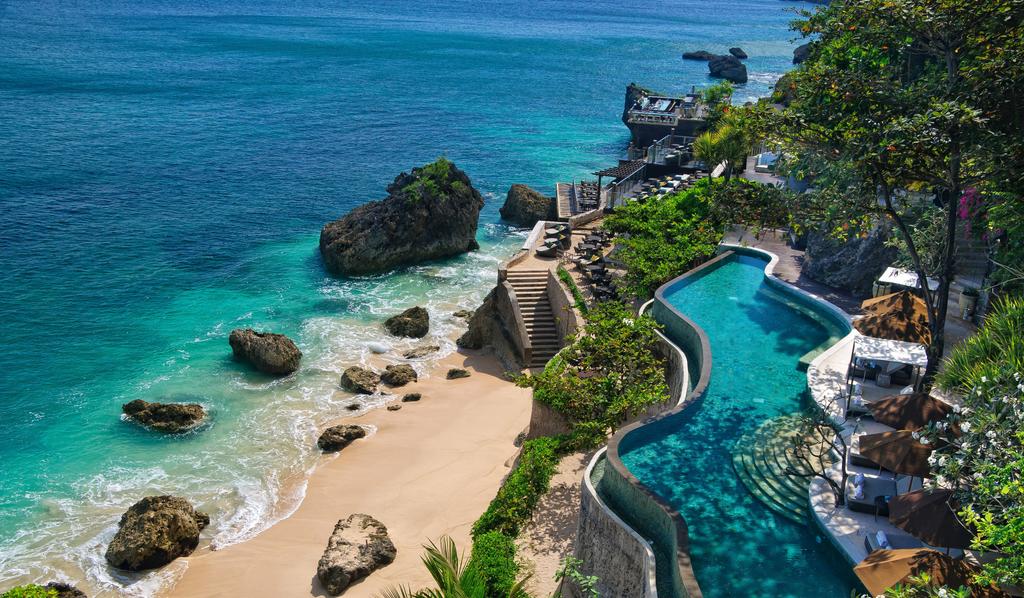
Photo: Paradigm Life
The evolution of luxury priorities
High net worth individuals are increasingly shifting their focus from acquiring luxury goods to investing in personal time, experiences, and autonomy. Ownership of physical assets, once a primary marker of wealth, is being replaced by access to curated experiences, wellness programs, and time management services that enhance quality of life rather than status signaling.
Why goods are no longer the main attraction
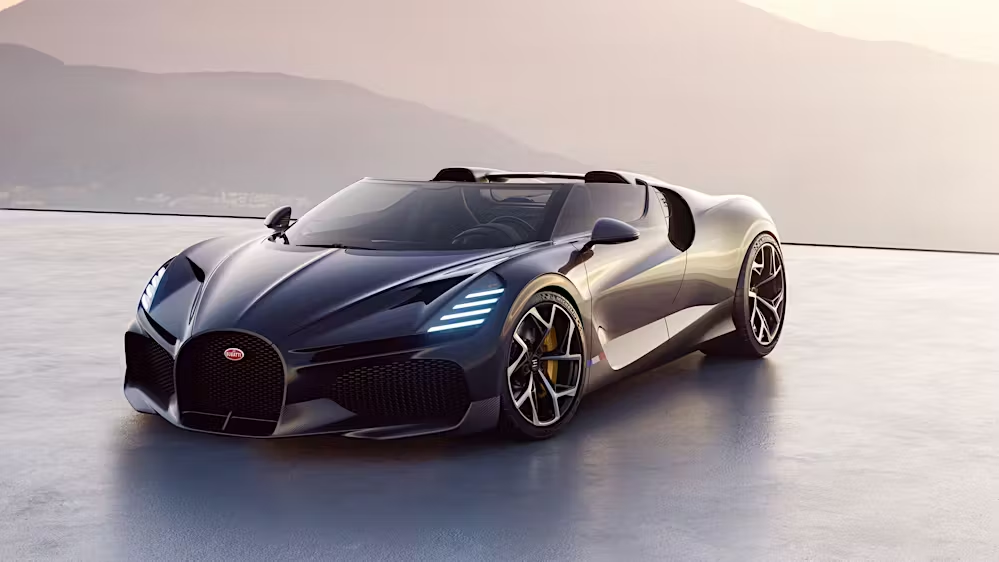
For decades, luxury consumption revolved around visible products such as cars, watches, jewelry, and designer apparel. Today, the ultra wealthy recognize that material goods offer temporary satisfaction, while experiences and personal time provide long term fulfillment, mental health benefits, and stronger social connections.
The rise of experiential luxury
Experiences such as private travel expeditions, bespoke wellness retreats, and cultural immersions are becoming central to elite lifestyles. These offerings are tailored to individual preferences and often unavailable to the public, enhancing exclusivity while providing meaningful engagement.
Personal time as the ultimate asset
Time has emerged as the most valuable commodity for high net worth individuals. Access to concierge services, personal assistants, and private scheduling tools allows them to maximize productivity while enjoying leisure. This shift reflects a growing understanding that true luxury is autonomy and control over one’s life.
Wealth as freedom rather than display
The decline in conspicuous consumption signals a move toward discretion and purpose. Owning fewer goods but having the freedom to choose how time is spent reflects a refined interpretation of wealth—one that emphasizes well being, experiences, and personal growth over public admiration.
Integration of technology and services
Luxury services now incorporate digital tools to optimize time management and access. From AI powered personal assistants to bespoke travel planning platforms, technology enables the ultra wealthy to enjoy a seamless balance of work, leisure, and personal development.
The influence of younger wealthy generations
Millennials and Gen Z heirs are redefining consumption patterns, valuing experiences, social impact, and personal enrichment over traditional symbols of affluence. Their priorities reinforce the broader shift toward time and autonomy as the new measures of luxury.
The environmental and social perspective
Investing in experiences rather than goods also reduces the environmental footprint associated with luxury consumption. Many wealthy individuals are consciously aligning their lifestyles with sustainability while maintaining exclusivity and comfort.
Long term benefits and family legacy
Focusing on personal time and experiences allows families to create lasting memories and shared values. It strengthens interpersonal bonds and instills appreciation for meaningful pursuits, establishing a legacy beyond mere material wealth.
What this trend reveals about modern wealth
The shift from goods to time ownership highlights a maturation in the understanding of wealth. Affluence is increasingly defined by the freedom to curate one’s own life, prioritizing personal fulfillment and lasting impact over short term display.
Subscribe to unlock premium content
Sed at tellus, pharetra lacus, aenean risus non nisl ultricies commodo diam aliquet arcu enim eu leo porttitor habitasse adipiscing porttitor varius ultricies facilisis viverra lacus neque.
A comprehensive guide on Agile development

10 Productivity tools that are worth checking out
Top 7 Must have management tools for productivity

A comprehensive guide on Agile development
10 Productivity tools that are worth checking out
A comprehensive guide on Agile development