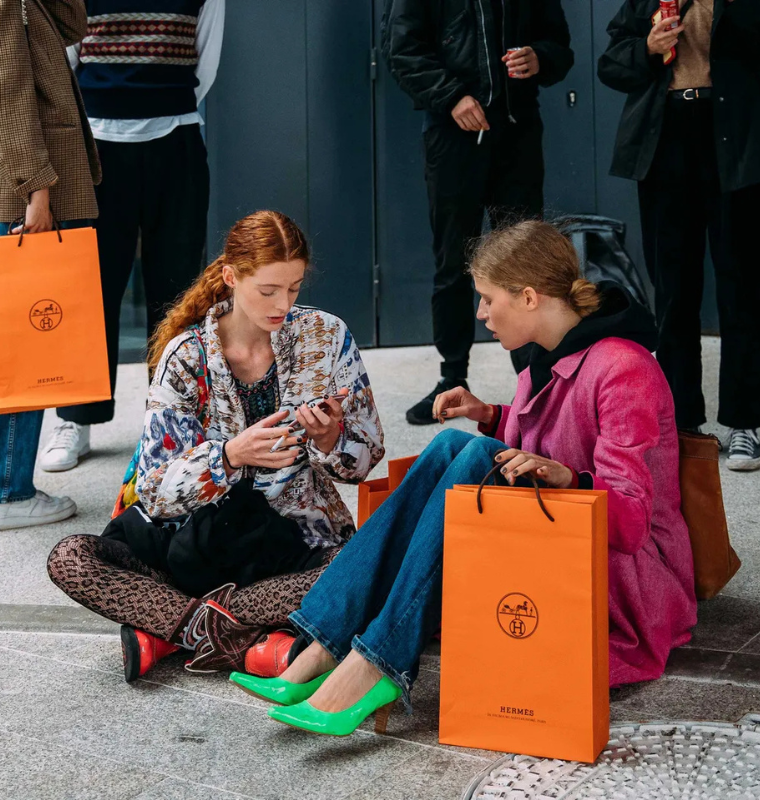

Luxury Consumption Slows as High Net Worth Buyers Redirect Spending Into Private Services
By
Sophie Moore
Last updated:
January 5, 2026
First Published:
January 5, 2026

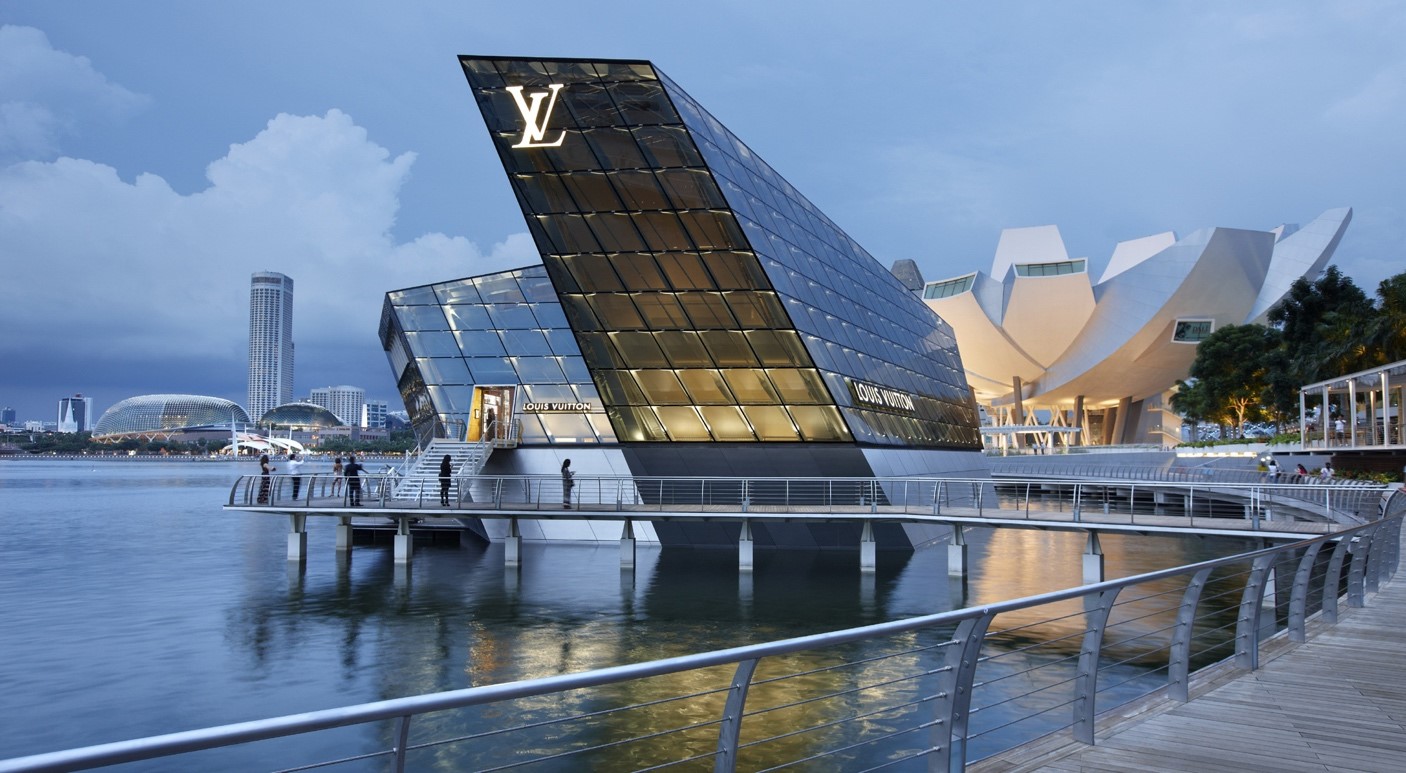
A Noticeable Cooling in Traditional Luxury Spending
Luxury retail has entered a period of moderation among high net worth buyers. Flagship purchases that once symbolized status are no longer expanding at previous rates. This slowdown is not driven by reduced wealth but by a recalibration of what affluent individuals consider valuable.
Spending Power Remains Strong but More Selective
The purchasing capacity of wealthy consumers has not weakened. Instead spending decisions have become more deliberate and utility focused. Large visible purchases are being questioned internally for relevance rather than affordability.
Private Services Take Priority Over Physical Goods
Capital is increasingly flowing toward private services that offer convenience control and personalization. These include private healthcare aviation security education advisory and bespoke lifestyle management. The value proposition lies in outcomes rather than ownership.
Privacy as a New Luxury Driver
Heightened public scrutiny and data exposure have made privacy a premium consideration. High net worth individuals are investing in services that minimize visibility and external interference. Discretion now carries more weight than recognition.
Time Efficiency Becomes a Core Metric
Affluent buyers are prioritizing services that reduce friction in daily life. Time saved is being valued more than symbolic consumption. Concierge medical care private travel coordination and exclusive access services are seen as rational investments.
Experience Over Display in Social Signaling
Status signaling has not disappeared but it has evolved. Experiences that are not publicly broadcast are replacing outward displays of wealth. Social capital is increasingly built through access and relationships rather than material indicators.
Service Providers Replace Traditional Luxury Brands
Private service firms are capturing discretionary budgets once reserved for high end retail. These providers operate quietly and emphasize long term relationships. Their growth reflects a preference for reliability over novelty.
Customization Drives Spending Decisions
Generic luxury offerings are losing appeal among elite buyers. Private services offer tailored solutions that adapt to individual needs and schedules. This customization reinforces loyalty and justifies sustained spending.
Economic Uncertainty Reinforces Conservative Choices
Global economic signals have encouraged a more conservative posture even among the wealthy. Redirecting spending toward services perceived as essential feels prudent. This behavior aligns luxury consumption with risk management.
A Structural Shift Rather Than a Temporary Pause
This redirection of spending appears structural rather than cyclical. As private services integrate deeper into affluent lifestyles they become recurring necessities. Traditional luxury consumption may continue but no longer dominates discretionary priorities.



Subscribe to unlock premium content
Sed at tellus, pharetra lacus, aenean risus non nisl ultricies commodo diam aliquet arcu enim eu leo porttitor habitasse adipiscing porttitor varius ultricies facilisis viverra lacus neque.
A comprehensive guide on Agile development

10 Productivity tools that are worth checking out

Top 7 Must have management tools for productivity

A comprehensive guide on Agile development
10 Productivity tools that are worth checking out
A comprehensive guide on Agile development