

Luxury Consumption Slows While Asset Based Living Gains Momentum
By
John Carter
Last updated:
January 19, 2026
First Published:
January 19, 2026

A Transformative Trend Among the Affluent
Global high net worth individuals are increasingly moving away from traditional luxury consumption. Shiny objects, high-end fashion, and trend-driven indulgences are taking a backseat to investments, property, and assets that provide long-term value. This change signals a significant evolution in how the rich perceive wealth and lifestyle.
The Decline of Status Driven Spending
For decades, the ultra affluent have relied on visible markers of wealth to signal status and success. Today, this model is fading. Modern high net worth individuals prefer discretion, functionality, and impact over public acknowledgment. The shift reflects both changing values and a desire to minimize exposure to market volatility.
Asset Focus Replaces Fashion Focus
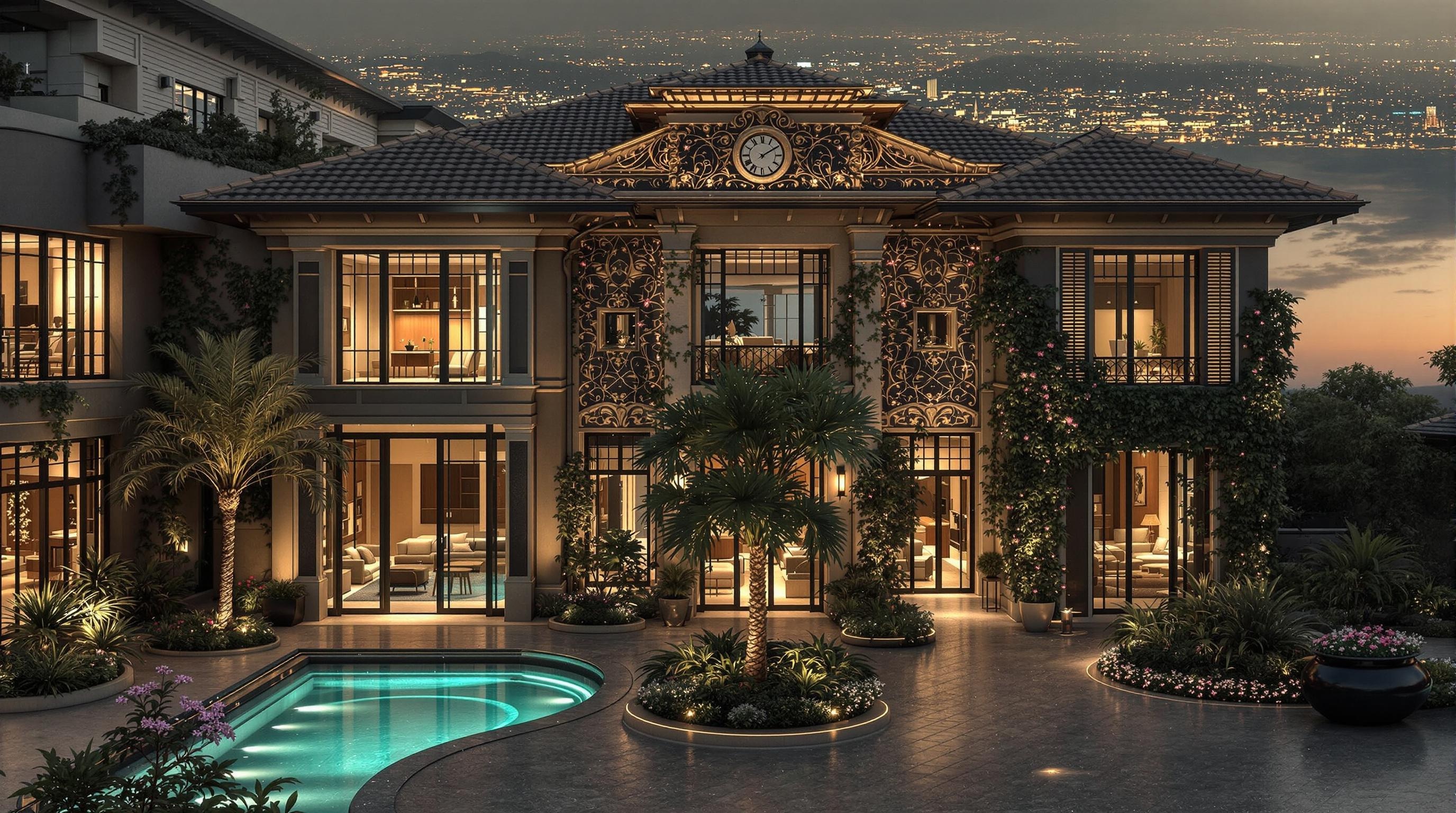
Luxury now extends beyond consumption into ownership of tangible and intangible assets. Prime real estate, private equity, art, and intellectual property have become preferred forms of investment. These assets not only preserve capital but also provide influence, legacy, and diversification benefits that consumer goods cannot match.
The Rise of Strategic Lifestyle Design
Lifestyle is increasingly treated as a long-term strategy rather than a temporary indulgence. Homes, travel, wellness programs, and personal services are selected for their ability to improve life quality, health, security, and productivity. Each decision is evaluated for utility and sustainability rather than social visibility.
Experiences Over Products
Experiential luxury is replacing goods-focused consumption. Private retreats, bespoke adventures, and curated cultural engagements deliver enrichment that cannot be commoditized. These experiences combine exclusivity with personal growth, aligning with the modern wealthy’s preference for meaningful investment of time and resources.
Financial Prudence Becomes a Core Value
Even in periods of abundance, the ultra wealthy are emphasizing financial prudence. Asset-based living allows for more predictable outcomes, reduced exposure to trend-based losses, and stronger preparation for economic uncertainties. Long-term thinking has replaced impulsive acquisition as a hallmark of elite behavior.
Privacy and Control as Luxury Metrics
The most valuable forms of wealth today provide control over personal life and privacy. Private estates, secured transport, and tailored services are now key indicators of luxury. These elements offer both practical benefits and psychological comfort, aligning with the modern elite’s desire for autonomy.
Wealth Preservation Shapes Family Decisions
Asset-based living affects multigenerational wealth planning. Investments in durable assets, education, and business ventures are designed to ensure continuity of wealth and influence. The younger generation inherits not only resources but also a mindset of strategic asset management over conspicuous consumption.
Technology and Asset Optimization
Digital tools and platforms now enable the wealthy to manage complex portfolios, monitor market trends, and access global opportunities with precision. Asset-based living leverages technology to maximize returns, streamline lifestyle efficiency, and maintain privacy.
Implications for the Luxury Industry
Luxury brands must adapt to a clientele that values substance over visibility. Products and services that offer long-term value, discretion, and personalized experiences will thrive, while those that rely solely on trend-driven appeal may see reduced engagement. The future of luxury is increasingly aligned with strategic living, asset ownership, and meaningful experiences.


Subscribe to unlock premium content
Sed at tellus, pharetra lacus, aenean risus non nisl ultricies commodo diam aliquet arcu enim eu leo porttitor habitasse adipiscing porttitor varius ultricies facilisis viverra lacus neque.
A comprehensive guide on Agile development

10 Productivity tools that are worth checking out

Top 7 Must have management tools for productivity

A comprehensive guide on Agile development
10 Productivity tools that are worth checking out
A comprehensive guide on Agile development