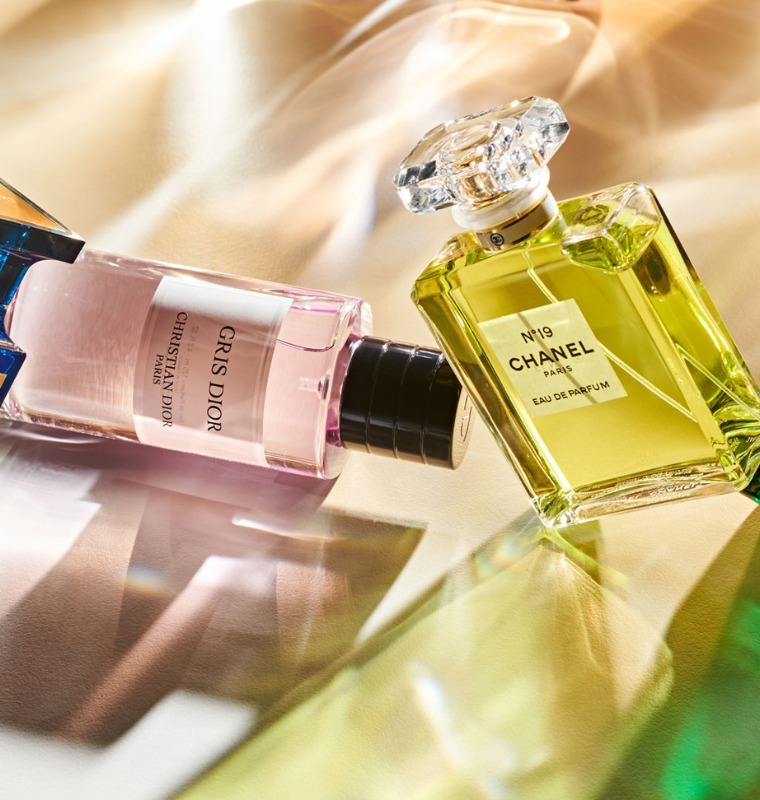

Luxury Fashion Houses Launch Invitation Only Shopping Mansions for the World’s Wealthiest Clients
By
Maya K.
Last updated:
May 18, 2026
First Published:
May 18, 2026

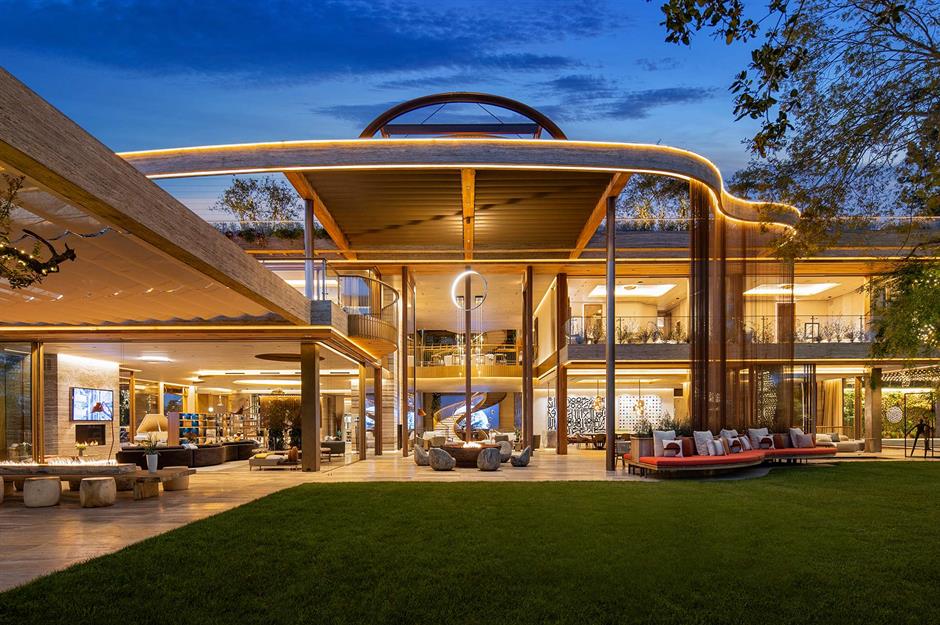
Luxury shopping is entering an entirely new dimension in 2026. The traditional image of wealthy clients walking through crowded flagship stores is rapidly disappearing as elite fashion houses introduce invitation only shopping mansions designed exclusively for ultra high net worth individuals. Hidden behind private gates in cities like Paris, Dubai, Milan, London, and Beverly Hills, these lavish estates are becoming the new center of global luxury culture.
These shopping mansions are not ordinary boutiques. They are fully immersive private worlds where billionaires, celebrities, royalty, and influential entrepreneurs can explore fashion collections completely away from public attention. Every detail inside these properties is personalized to deliver unmatched exclusivity, comfort, and discretion. From champagne lounges and art filled salons to private runways and overnight suites, the experience feels more like entering a royal palace than visiting a fashion store.
The End Of Traditional Luxury Retail
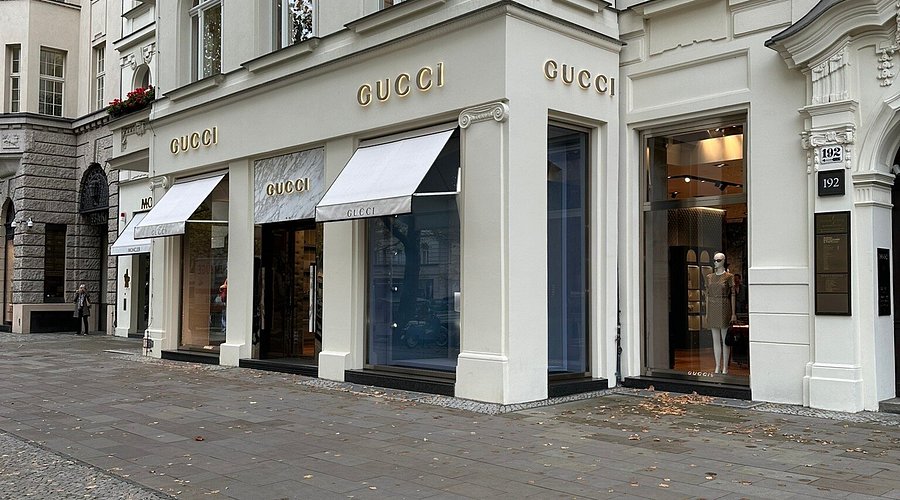
For years, luxury brands competed through massive flagship stores located in prestigious shopping districts. However, the world’s richest consumers have gradually moved away from public luxury experiences. Privacy has become more valuable than visibility. Wealthy clients now seek environments where they can shop without cameras, crowds, or social media exposure.
This shift accelerated dramatically over the past few years as luxury houses realized their top clients wanted personalized environments rather than transactional shopping. Instead of standing inside busy designer stores, elite customers now expect complete privacy with entire collections curated exclusively around their tastes and lifestyles.
As a result, brands are quietly investing millions into private retail mansions hidden in some of the most exclusive neighborhoods on Earth. These spaces operate almost entirely through invitation and referral systems, making access incredibly limited even among wealthy circles.
Shopping Mansions Feel Like Private Palaces
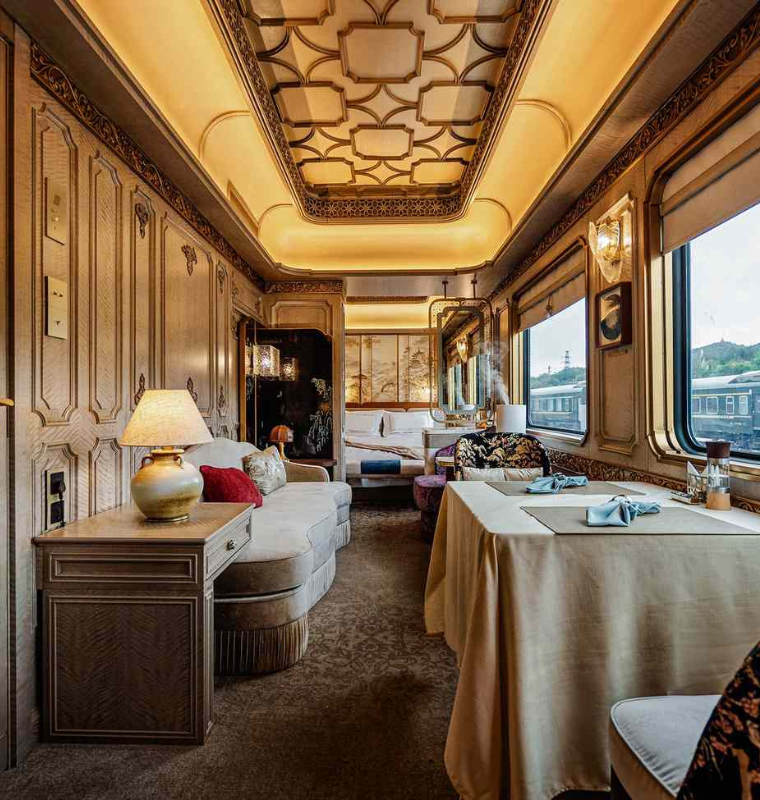
Inside these properties, every room is designed to create emotional impact. Marble staircases, rare artworks, crystal chandeliers, handcrafted furniture, and fragrance infused interiors create an atmosphere of absolute luxury. Guests are welcomed by private hosts who already understand their preferences before they even arrive.
Many mansions include dedicated jewelry salons, couture fitting chambers, beauty suites, cigar lounges, wellness spas, and private dining areas prepared by celebrity chefs. Some even feature indoor gardens and rooftop terraces overlooking iconic city skylines.
Clients are often given complete control over the environment. Lighting, music, scents, room temperatures, and food menus are personalized according to individual preferences. The goal is to make every visitor feel as though the mansion was designed specifically for them alone.
Private Fashion Shows Are Becoming Common
One of the most exclusive elements inside these mansions is the rise of private runway experiences. Instead of attending large fashion events with hundreds of guests, ultra wealthy clients are now receiving personalized fashion presentations inside intimate private salons.
Models walk through custom designed rooms while stylists explain fabrics, craftsmanship, and collection inspiration directly to guests. Certain brands reportedly create entire capsule collections exclusively for a single family or client group. These pieces may never appear publicly or enter commercial stores at all.
This level of exclusivity has transformed luxury fashion into something far more personal and emotionally driven. Wealthy buyers are no longer simply purchasing clothing. They are buying experiences, rarity, and cultural status.
Ultra Personalized Couture Is Dominating 2026
Customization has become one of the strongest forces shaping the luxury market. Elite clients increasingly demand one of one creations tailored precisely around their body measurements, lifestyle, travel habits, and personal aesthetics.
Some fashion houses now maintain private archives of client preferences that include favorite fabrics, preferred gemstone colors, fragrance sensitivities, and even vacation destinations. Designers use this information to create deeply personalized wardrobes for each customer.
Shopping mansions allow this process to happen privately and comfortably. Clients may spend entire weekends inside these estates working directly with designers, stylists, jewelers, and beauty experts to build complete luxury lifestyles rather than isolated purchases.
Wealthy Clients Want Emotional Exclusivity
The modern luxury consumer is driven less by logos and more by emotional access. Owning expensive products is no longer enough. Billionaires want experiences that feel impossible for the average person to obtain.
Invitation only shopping mansions create exactly that feeling. Access itself becomes part of the status symbol. Many wealthy individuals value the secrecy and rarity of these spaces even more than the products being sold inside them.
Some luxury houses reportedly maintain extremely small guest lists for these mansions, limiting annual access to only a few hundred people worldwide. Invitations are often based on long standing relationships, spending history, influence, and personal referrals from existing elite clients.
Technology Is Enhancing The Luxury Experience
Despite their old world appearance, these mansions are powered by advanced technology operating quietly behind the scenes. Artificial intelligence systems track client preferences and predict future purchasing interests. Smart mirrors display different outfit combinations instantly while digital wardrobes help clients manage global fashion collections across multiple residences.
Certain mansions feature biometric security systems and hidden entrances to protect guest privacy. Some even offer virtual couture previews where clients can experience upcoming collections through immersive digital environments before physical garments are produced.
Technology allows fashion houses to deliver unprecedented levels of personalization without compromising elegance or intimacy.
Luxury Hospitality And Fashion Are Merging Together
Another major trend shaping these mansions is the blending of hospitality with retail. Many properties now operate more like luxury resorts than commercial stores. Guests may stay overnight in designer suites while receiving spa treatments, attending private dinners, or enjoying curated entertainment experiences.
Fashion brands are realizing that emotional connection creates stronger loyalty than simple transactions. By surrounding clients with comfort, beauty, and exclusivity, they transform shopping into an unforgettable lifestyle experience.
Some mansions even coordinate helicopter arrivals, luxury vehicle transfers, yacht access, and private security arrangements for high profile visitors. Every interaction is designed to feel seamless and deeply personal.
Global Competition Among Luxury Houses Is Intensifying
As more fashion giants enter this ultra exclusive space, competition among luxury houses is becoming increasingly intense. Brands are racing to create the most extraordinary environments, rarest products, and most unforgettable client experiences.
Certain mansions now feature private art galleries, underground wine vaults, and exclusive jewelry collections unavailable anywhere else in the world. Others collaborate with luxury watchmakers, fragrance houses, and high jewelry designers to offer complete lifestyle ecosystems under one roof.
The battle is no longer about selling products alone. It is about building emotional worlds where wealthy clients feel valued, understood, and culturally elevated.
The Future Of Luxury Will Be Hidden From Public View
The rise of invitation only shopping mansions reveals a major shift happening inside the global luxury industry. True exclusivity is moving away from public visibility and toward private access. In the future, the most valuable luxury experiences may become almost entirely invisible to the outside world.
For billionaires and elite consumers, privacy itself has become one of the ultimate luxuries. These hidden mansions provide a space where fashion, culture, hospitality, and status merge together without interruption from the public eye.
As luxury continues evolving, these secretive shopping palaces are likely to become even more extravagant, personalized, and difficult to access. They represent a future where wealth is expressed not through crowded storefronts or obvious branding, but through quiet privilege experienced behind closed doors far away from the ordinary world.

Subscribe to unlock premium content
Sed at tellus, pharetra lacus, aenean risus non nisl ultricies commodo diam aliquet arcu enim eu leo porttitor habitasse adipiscing porttitor varius ultricies facilisis viverra lacus neque.
A comprehensive guide on Agile development

10 Productivity tools that are worth checking out
Top 7 Must have management tools for productivity

A comprehensive guide on Agile development
10 Productivity tools that are worth checking out
A comprehensive guide on Agile development