
Luxury Fashion’s Power Shift Accelerates as Heritage Houses Enter a New Era of Billion Dollar Transformation
By
John Carter
Last updated:
May 24, 2026
First Published:
May 24, 2026


The global luxury fashion industry is undergoing a structural transformation that goes far beyond seasonal collections or runway trends. At its core, the sector is being reshaped by ownership consolidation, shifting creative leadership, and the growing influence of ultra wealthy stakeholders who view fashion as both cultural capital and financial power.
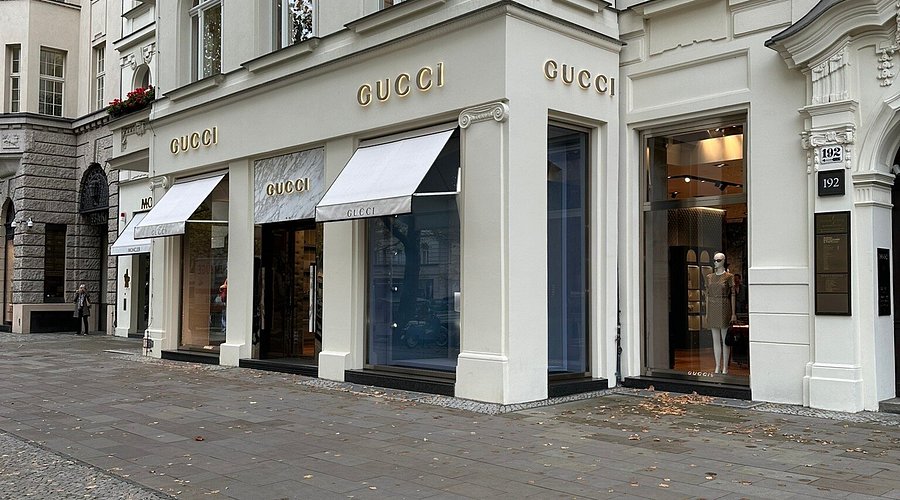
One of the most visible developments is the increasing movement of heritage fashion houses into large scale corporate portfolios. Iconic brands that once operated as independent ateliers are now part of multinational luxury conglomerates, where decisions are influenced by global investment strategies rather than purely artistic direction.
This shift has intensified competition among major luxury groups, as control over legacy brands has become a key driver of global market influence. Fashion is no longer just about aesthetic identity. It has become a strategic asset class that shapes consumer perception across multiple industries including hospitality, entertainment, and luxury real estate.
Creative direction has also become a central point of tension within the industry. As leadership changes occur at major houses, there is growing pressure to balance artistic innovation with commercial performance. Designers are expected to deliver collections that not only define cultural moments but also generate measurable financial growth.
At the same time, the influence of ultra high net worth individuals has expanded significantly. Wealthy collectors and investors are increasingly involved in shaping the direction of luxury fashion through private acquisitions, brand investments, and exclusive partnerships that blur the line between consumer and stakeholder.
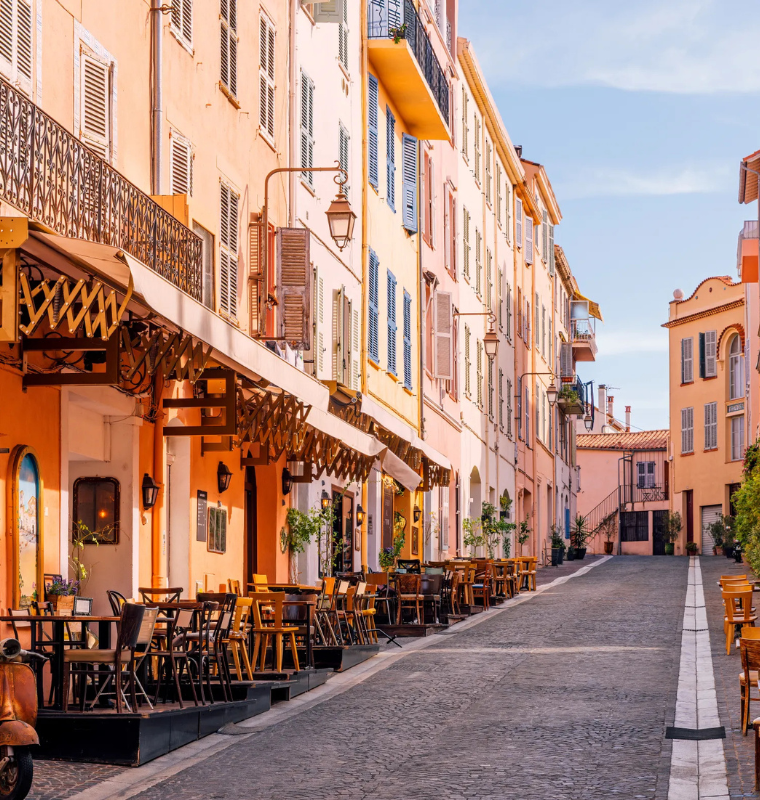
Fashion capitals such as Paris remain at the center of this evolution. Paris continues to function as both a creative laboratory and a financial hub for luxury fashion, where heritage craftsmanship meets modern corporate strategy.
Runway culture is also evolving into a broader lifestyle experience. Fashion shows are no longer limited to traditional venues. Instead, brands are hosting immersive presentations in private estates, cultural landmarks, and exclusive destinations that reinforce the connection between fashion and elite social environments.
Digital transformation is another key driver of change. Luxury fashion brands are increasingly using advanced analytics, artificial intelligence, and digital storytelling to understand consumer behavior and enhance global engagement. This has created a more data informed industry where creative decisions are increasingly supported by measurable insights.
The resale and vintage luxury market is also playing a significant role in reshaping the industry. Rare archival pieces and limited edition collections are gaining new value among collectors who treat fashion as a long term investment category rather than a seasonal purchase.
Meanwhile, collaborations between fashion houses and other luxury sectors such as private aviation, superyachts, and high end hospitality are becoming more common. These partnerships are designed to create integrated lifestyle ecosystems where luxury branding extends across every aspect of elite living.
Sustainability pressures are also influencing decision making across the industry. Luxury brands are increasingly investing in responsible sourcing, circular production models, and material innovation to meet the expectations of a more conscious global audience without compromising exclusivity.
As consolidation continues, the power structure of luxury fashion is becoming more centralized. A smaller number of conglomerates now control a larger share of global luxury output, giving them significant influence over cultural trends and consumer behavior worldwide.
Ultimately, luxury fashion is no longer just a creative industry. It has become a complex system of finance, culture, and global influence where heritage, innovation, and wealth converge to define the next era of high end style.
Subscribe to unlock premium content
Sed at tellus, pharetra lacus, aenean risus non nisl ultricies commodo diam aliquet arcu enim eu leo porttitor habitasse adipiscing porttitor varius ultricies facilisis viverra lacus neque.
A comprehensive guide on Agile development

10 Productivity tools that are worth checking out

Top 7 Must have management tools for productivity

A comprehensive guide on Agile development
10 Productivity tools that are worth checking out
A comprehensive guide on Agile development