
Ultra Luxury Travel Enters a New Golden Age With Bespoke Yacht Voyages and Invitation Only Experiences Driving Demand
By
Sophie Moore
Last updated:
May 24, 2026
First Published:
May 24, 2026

The global luxury travel sector is entering a new phase defined not by destinations, but by complete experience design. Ultra high net worth travelers are increasingly rejecting standardized luxury offerings in favor of fully bespoke journeys that combine privacy, personalization, and access to exclusive environments.
At the center of this transformation is the rise of curated yacht based travel, private aviation coordination, and invitation only hospitality networks. These systems are no longer standalone services. Instead, they are being integrated into seamless lifestyle ecosystems that follow clients across multiple countries and regions.
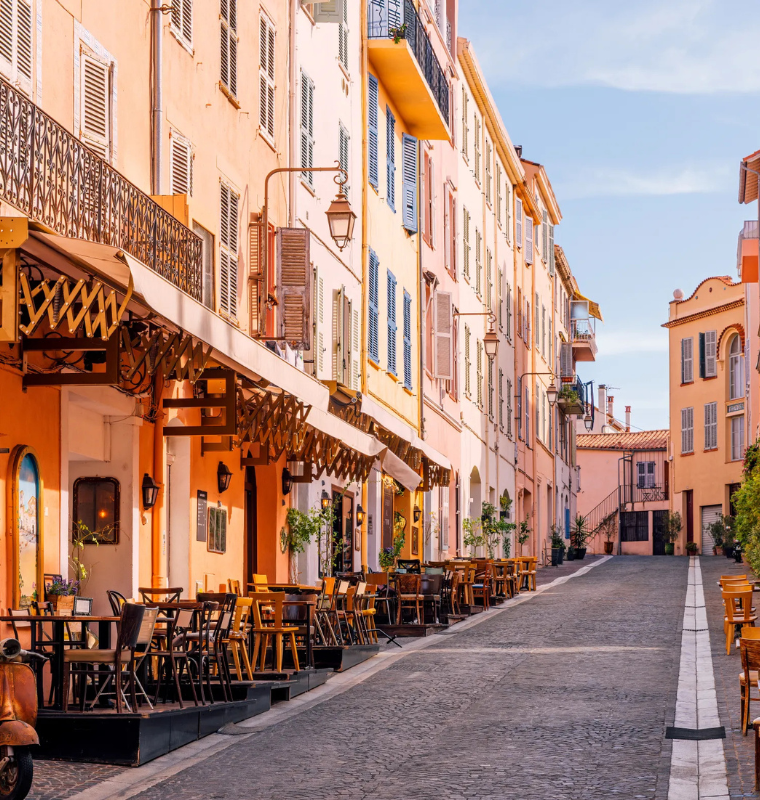
In coastal luxury hubs such as French Riviera, travel has become deeply embedded in a broader cultural calendar of elite experiences. Visitors no longer simply arrive for leisure. They enter structured seasons of events, private gatherings, and high end social circuits.
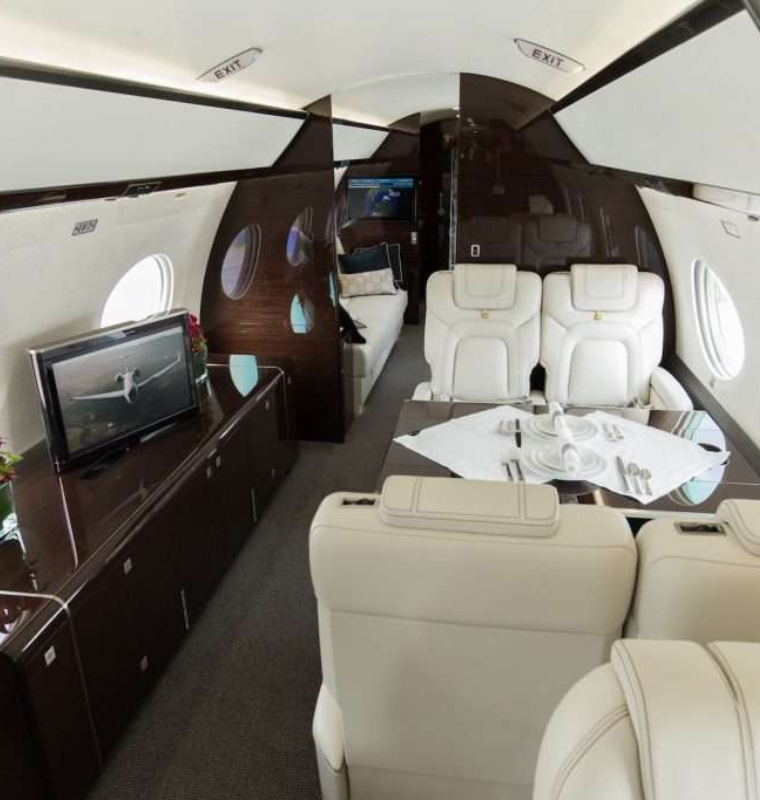
One of the most significant shifts is the increasing demand for personalization at scale. Ultra luxury travelers expect every aspect of their journey to be tailored, from aircraft interiors to yacht itineraries and even curated dining experiences prepared by private chefs with specific cultural expertise.
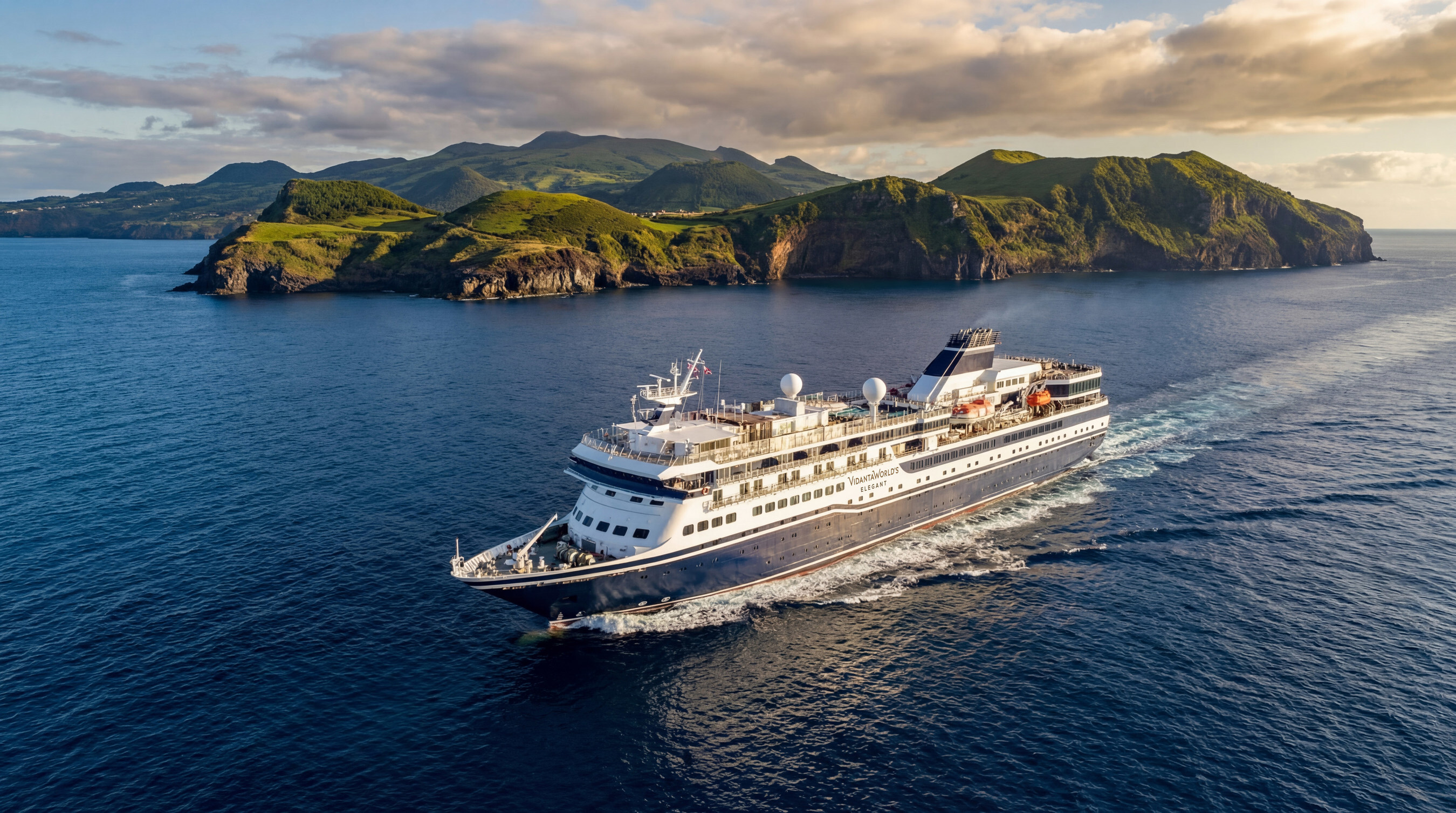
Yacht voyages are playing a particularly important role in this evolution. Modern superyachts function as floating private estates, offering complete autonomy over movement, schedule, and environment. Guests can transition between destinations without ever engaging with public infrastructure, reinforcing a sense of exclusivity.
Destinations like Monaco continue to serve as anchor points in these itineraries. Monaco provides a unique combination of financial infrastructure, luxury hospitality, and high density elite networking that makes it a natural hub for yacht based travel circuits.
Another defining trend is the emergence of invitation only experiences. These include private cultural events, secluded island retreats, and branded luxury activations that are not accessible through traditional booking channels. Access itself has become a central component of luxury value.
Luxury hospitality brands are responding by redesigning their service models. Instead of selling rooms or packages, they are creating integrated travel platforms that include transport, accommodation, entertainment, wellness, and security under a single coordinated system.
Technology is also reshaping how these experiences are delivered. Advanced itinerary management systems and AI driven personalization tools allow service providers to anticipate guest preferences and adjust experiences in real time. This level of precision is becoming an expectation among elite travelers.
The role of wellness has also expanded significantly within luxury travel. High end clients are increasingly seeking journeys that combine leisure with physical and mental restoration, including private spa programs, medical grade wellness facilities, and tailored fitness regimens onboard yachts and at exclusive resorts.
Cultural exclusivity remains a key driver of demand. Access to private art viewings, fashion previews, and closed door performances is now considered as important as the physical travel experience itself. Luxury travel is increasingly about immersion into exclusive cultural layers.
As competition intensifies, luxury travel providers are investing heavily in differentiation. This includes ultra personalized service teams, dedicated lifestyle managers, and long term client relationship systems that ensure continuity across multiple journeys and years.
Ultimately, ultra luxury travel is no longer defined by where one goes, but by how completely the experience can be controlled, customized, and insulated from the public world. The future of luxury tourism lies in invisible infrastructure that enables effortless movement through a curated private reality.


Subscribe to unlock premium content
Sed at tellus, pharetra lacus, aenean risus non nisl ultricies commodo diam aliquet arcu enim eu leo porttitor habitasse adipiscing porttitor varius ultricies facilisis viverra lacus neque.
A comprehensive guide on Agile development

10 Productivity tools that are worth checking out
Top 7 Must have management tools for productivity

A comprehensive guide on Agile development
10 Productivity tools that are worth checking out
A comprehensive guide on Agile development