

Luxury Goes Off Grid as Ultra Wealthy Build Self Sustaining Estates Amid Global Uncertainty
By
John Carter
Last updated:
April 9, 2026
First Published:
April 9, 2026

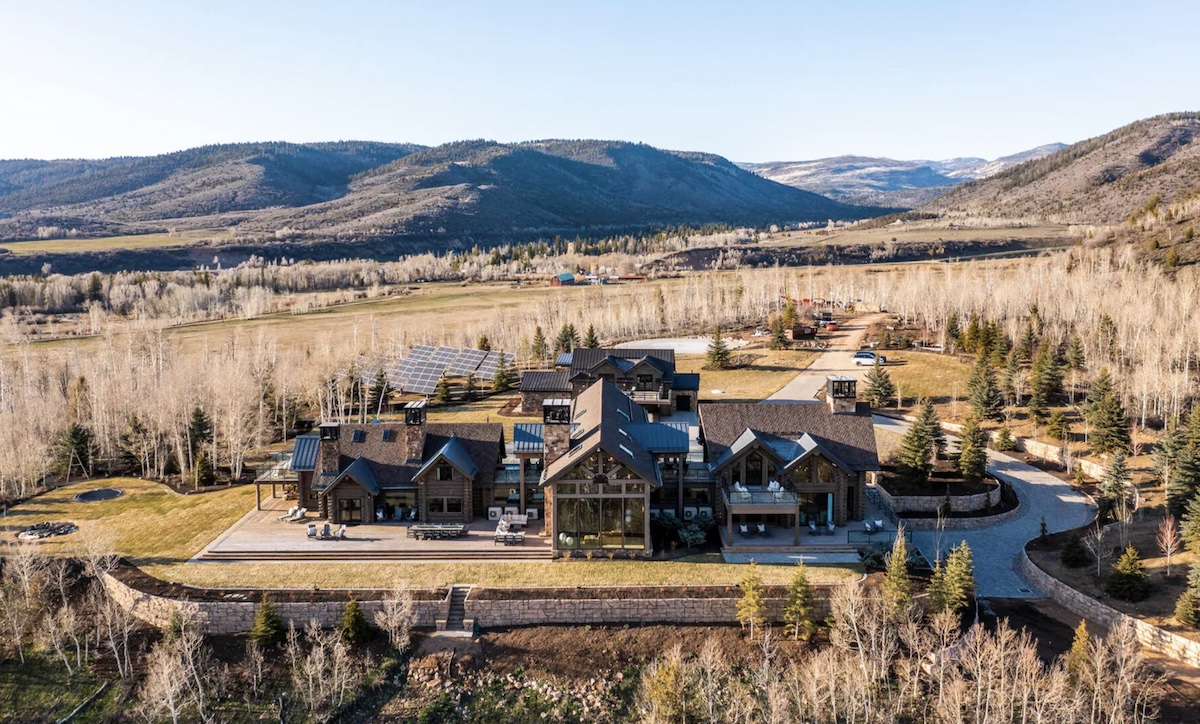
Luxury in 2026 is undergoing a structural redefinition. Instead of visible excess and urban prestige, the ultra wealthy are increasingly investing in remote, self sustaining estates designed to operate independently from public infrastructure. This shift reflects a broader change in priorities where resilience and autonomy are becoming the new luxury benchmarks.
At the center of this movement is the concept of off grid living at extreme sophistication levels. These are not simple retreats but highly engineered environments equipped with private energy generation systems, water recycling infrastructure, agricultural production zones, and advanced security networks. The goal is complete operational independence without sacrificing comfort or exclusivity.
A key driver behind this trend is growing global uncertainty across economic and geopolitical landscapes. Wealthy individuals are responding by reducing reliance on centralized systems that could be disrupted by crises. Instead they are building controlled micro environments where essential services are fully internalized and insulated from external shocks.
Energy autonomy is one of the most important components of these estates. Many properties now integrate solar arrays, geothermal systems, and private micro grids that allow uninterrupted power generation. This reduces dependency on national grids and provides a stable foundation for long term habitation regardless of external conditions.
Water independence is another critical feature. Advanced filtration systems, deep well extraction, and atmospheric water generation technologies are being combined to ensure complete water security. In some estates, closed loop systems recycle nearly all water used within the property, significantly reducing environmental dependency.
Food production is also being reimagined as part of luxury living. High net worth individuals are investing in private organic farms, hydroponic greenhouses, and controlled environment agriculture systems. This allows them to maintain high quality food supply chains without relying on external logistics or global food markets.
Security design has evolved into a core architectural element. Instead of visible fortifications, estates are being built with layered invisible protection systems including perimeter sensors, drone surveillance, and AI driven monitoring. These systems are designed to ensure safety while preserving aesthetic harmony with the natural environment.
Interestingly, this shift is also influencing architectural philosophy. Designers are blending natural landscapes with highly functional infrastructure to create estates that feel organic yet technologically advanced. The emphasis is on invisibility of systems rather than display of wealth.
Lifestyle within these environments is also changing. Many estates now include wellness centers, medical suites, and remote work infrastructure that allows occupants to operate globally without leaving the property. This creates a hybrid existence where isolation and connectivity coexist seamlessly.
Environmental considerations are also shaping these developments. While some estates are criticized for exclusivity, many incorporate sustainable practices such as regenerative land use and carbon neutral construction methods. This reflects a growing awareness that long term luxury must align with ecological stability.
Ultimately, the rise of off grid luxury estates signals a profound shift in how elite wealth is expressed. It is no longer about visibility or urban dominance but about control, resilience, and independence. As global conditions continue to evolve, these private ecosystems may become the defining symbol of modern ultra wealth.


Subscribe to unlock premium content
Sed at tellus, pharetra lacus, aenean risus non nisl ultricies commodo diam aliquet arcu enim eu leo porttitor habitasse adipiscing porttitor varius ultricies facilisis viverra lacus neque.
A comprehensive guide on Agile development

10 Productivity tools that are worth checking out

Top 7 Must have management tools for productivity

A comprehensive guide on Agile development
10 Productivity tools that are worth checking out
A comprehensive guide on Agile development