
Luxury Hospitality Boom Gains Momentum as New High End Hotel and Resort Projects Expand Worldwide
By
Sophie Moore
Last updated:
June 11, 2026
First Published:
June 11, 2026


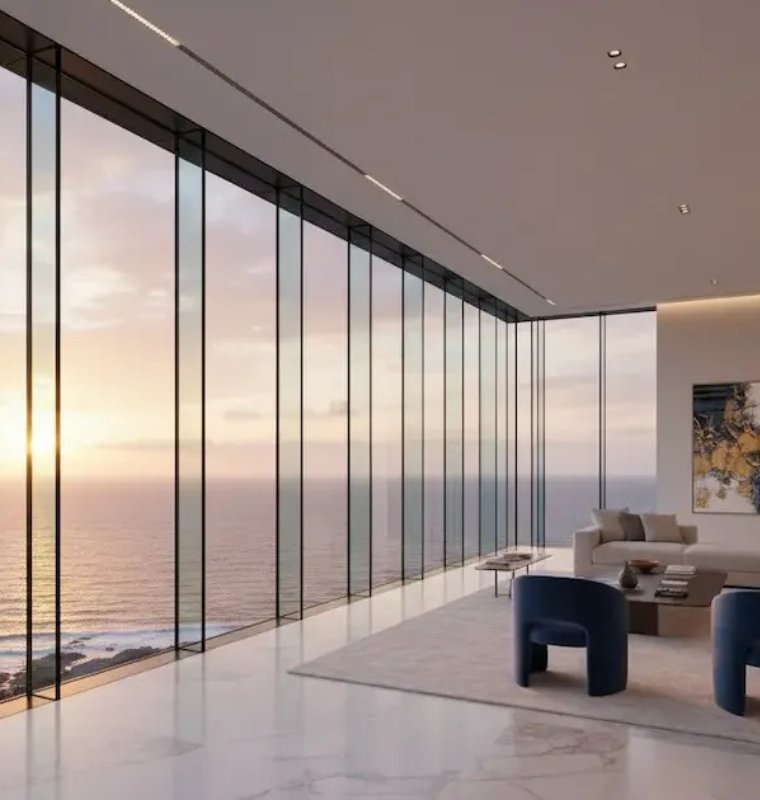
The luxury hospitality sector is experiencing one of its strongest periods of expansion in recent years as developers, investors, and international hotel brands accelerate the launch of high end resorts, luxury retreats, and premium hospitality destinations across the globe. From tropical islands and coastal destinations to urban business centers and remote wellness escapes, the race to attract affluent travelers is reshaping the future of luxury tourism.
The momentum reflects more than a simple recovery in travel demand. It signals a fundamental shift in how wealthy consumers approach leisure, lifestyle, and experiences. As high net worth individuals increasingly prioritize memorable journeys over material purchases, luxury hospitality operators are responding with ambitious investments designed to meet evolving expectations.
The result is a rapidly growing global market where exclusivity, personalization, and extraordinary experiences are becoming the new benchmarks of success.
Why Luxury Travel Is Thriving in 2026
Affluent travelers today are seeking more than accommodation. They want destinations that deliver exceptional service, privacy, wellness opportunities, cultural immersion, and personalized experiences.
Many wealthy individuals now view travel as an essential part of their lifestyle rather than an occasional luxury. This change has created strong demand for properties capable of offering unique experiences tailored to individual preferences.
From private beachfront villas and mountain retreats to ultra exclusive city hotels, luxury hospitality providers are expanding their offerings to satisfy a clientele that expects the highest standards in every aspect of their journey.
This demand continues driving investment throughout the sector.
High Net Worth Travelers Are Spending More
One of the strongest drivers behind the luxury hospitality boom is the spending power of affluent travelers. Wealth creation across multiple regions has expanded the population of individuals capable of spending significantly on premium travel experiences.
Rather than focusing solely on destination selection, wealthy travelers are increasingly prioritizing accommodation quality, service excellence, and personalized amenities. They are willing to pay substantial premiums for experiences that provide privacy, comfort, and exclusivity.
This willingness to spend has encouraged hospitality brands to develop increasingly sophisticated offerings aimed at attracting high value guests.
Luxury Resorts Are Expanding Into Emerging Destinations
Historically, luxury resorts concentrated primarily in established destinations known for affluent tourism. Today, however, developers are exploring new regions that offer unique landscapes, cultural attractions, and investment opportunities.
Emerging destinations across Africa, Southeast Asia, the Middle East, Latin America, and parts of Europe are attracting attention from global hospitality groups eager to establish an early presence in growing markets.
Many of these locations provide natural beauty and authentic experiences that appeal to modern luxury travelers seeking alternatives to traditional tourist hotspots.
This geographic expansion is broadening the global luxury travel landscape.
Wellness Has Become a Central Luxury Experience
One of the most significant developments within luxury hospitality is the growing emphasis on wellness. Wealthy travelers increasingly prioritize physical health, mental wellbeing, and personal rejuvenation when planning trips.
As a result, luxury resorts are investing heavily in wellness facilities, including advanced spas, fitness centers, nutrition programs, mindfulness retreats, and personalized health experiences.
Guests no longer view wellness as an optional feature. For many affluent travelers, it has become a primary motivation for selecting destinations and accommodations.
This trend is transforming the design and operation of high end hospitality properties worldwide.
Personalization Defines Modern Luxury
The definition of luxury has evolved considerably. Today's affluent travelers often value personalization more than traditional displays of extravagance.
Guests increasingly expect experiences tailored specifically to their preferences. This includes customized dining options, curated excursions, private transportation, personal wellness programs, and individualized concierge services.
Luxury hospitality providers are leveraging technology and data to better understand guest expectations and deliver highly personalized experiences.
This focus on customization is helping hotels and resorts differentiate themselves within an increasingly competitive marketplace.
Investors See Strong Long Term Potential
The expansion of luxury hospitality is attracting substantial investor interest. Real estate developers, private equity firms, institutional investors, and hospitality groups recognize the long term potential of serving affluent travelers.
Luxury properties often benefit from premium pricing, strong brand loyalty, and growing global demand. These characteristics make the sector attractive from an investment perspective.
As wealth continues expanding worldwide, investors believe demand for exceptional hospitality experiences will remain resilient, creating opportunities for sustainable growth.
This confidence is fueling a wave of new developments across multiple regions.
Technology Is Enhancing Guest Experiences
Modern luxury hospitality increasingly relies on technology to improve convenience and personalization. Digital platforms allow guests to customize experiences before arrival, communicate preferences in advance, and access services seamlessly throughout their stay.
Smart room technologies, advanced reservation systems, and personalized digital concierge services are becoming standard features within premium hospitality properties.
While luxury remains deeply rooted in human service and attention to detail, technology is helping operators deliver more efficient and tailored experiences.
This balance between innovation and hospitality excellence is becoming a defining characteristic of leading brands.
Sustainability Is Becoming Essential
Environmental responsibility has become an important consideration for many affluent travelers. Increasingly, wealthy consumers want luxury experiences that align with sustainable values and responsible business practices.
Hotels and resorts are responding by incorporating renewable energy systems, conservation initiatives, sustainable construction methods, and locally sourced products into their operations.
Luxury no longer requires excess. Instead, many travelers view thoughtful sustainability as a hallmark of sophisticated hospitality.
Properties that successfully combine environmental responsibility with exceptional guest experiences are likely to enjoy strong demand in the years ahead.
Luxury Hospitality Supports Local Economies
Beyond serving travelers, luxury hospitality projects often generate significant economic benefits for surrounding communities. New developments create employment opportunities, support local businesses, and encourage infrastructure improvements.
Construction activity, tourism spending, and demand for professional services can stimulate broader economic growth throughout a region. In many destinations, luxury tourism has become an important contributor to economic development.
As hospitality investment expands, its impact extends well beyond individual properties, influencing entire local economies.
This broader contribution strengthens the appeal of luxury tourism as a development strategy.
The Rise of Experience Driven Travel
One of the most important trends shaping luxury hospitality is the shift toward experience driven travel. Affluent consumers increasingly prioritize meaningful experiences over material possessions.
Travelers seek opportunities to engage with local cultures, explore unique environments, learn new skills, and create lasting memories. Luxury hospitality providers are responding by designing immersive experiences that go beyond traditional accommodation offerings.
Private culinary journeys, exclusive cultural access, adventure experiences, and bespoke itineraries have become important components of modern luxury travel.
This focus on experiences continues driving innovation throughout the industry.
The Future of Luxury Hospitality Looks Bright
Industry experts remain optimistic about the future of luxury hospitality. Rising global wealth, increasing travel demand, technological innovation, and evolving consumer preferences are all supporting continued growth.
Developers and hospitality brands are investing aggressively because they recognize the long term opportunities created by affluent travelers seeking exceptional experiences.
As competition intensifies, properties will need to continue innovating while maintaining the service standards that define luxury hospitality.
Those capable of delivering personalized, meaningful, and memorable experiences are likely to thrive in the years ahead.
A Golden Era for High End Travel
The current luxury hospitality boom represents more than a temporary trend. It reflects a deeper transformation in how wealthy individuals allocate their time, resources, and attention.
Travel has become an essential component of modern affluent lifestyles, creating unprecedented demand for premium accommodations and exclusive experiences. As new hotels and resorts continue emerging around the world, the luxury hospitality sector is entering a period of remarkable opportunity.
For investors, developers, and travelers alike, 2026 may be remembered as a defining year in the evolution of luxury tourism, one in which experience, personalization, and global expansion combined to create a new golden era for high end hospitality.


Subscribe to unlock premium content
Sed at tellus, pharetra lacus, aenean risus non nisl ultricies commodo diam aliquet arcu enim eu leo porttitor habitasse adipiscing porttitor varius ultricies facilisis viverra lacus neque.
A comprehensive guide on Agile development

10 Productivity tools that are worth checking out

Top 7 Must have management tools for productivity

A comprehensive guide on Agile development
10 Productivity tools that are worth checking out
A comprehensive guide on Agile development
.png)