

Ultra Wealthy Investors Shift Capital Into Prime Real Estate Amid Growing Demand for Hard Assets
By
Maya K.
Last updated:
June 11, 2026
First Published:
June 11, 2026


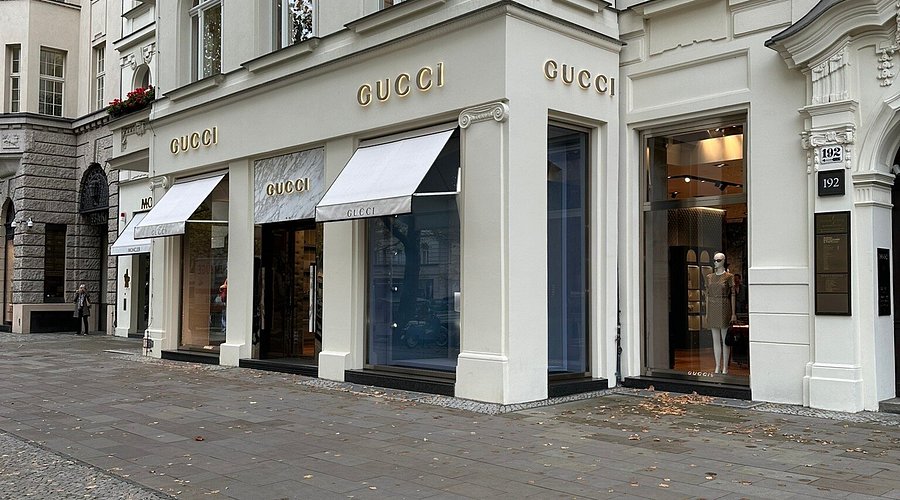
Photo: Enness Global
As financial markets continue to experience periods of uncertainty and volatility, a growing number of ultra wealthy investors are redirecting significant portions of their capital into prime real estate and other hard assets. This trend is becoming increasingly visible across major wealth centers around the world, where luxury properties, landmark estates, trophy assets, and premium land holdings are attracting renewed interest from high net worth and ultra high net worth individuals.
For decades, the wealthiest investors have understood a simple principle. During periods of economic change, tangible assets often provide a sense of stability that purely financial instruments cannot always match. In 2026, that philosophy appears to be gaining momentum as affluent individuals seek long term wealth preservation strategies capable of withstanding market fluctuations and evolving global conditions.
The Growing Appeal of Hard Assets
Hard assets are physical assets that possess intrinsic value and can often retain desirability regardless of financial market conditions. These assets typically include luxury real estate, agricultural land, infrastructure holdings, precious metals, fine art, and other tangible investments.
Unlike stocks or digital assets that can experience rapid price swings, hard assets provide investors with ownership of something physical and enduring. This characteristic has become increasingly attractive as investors navigate an environment shaped by inflation concerns, geopolitical developments, and changing economic expectations.
For many wealthy families, hard assets represent not only investment opportunities but also vehicles for preserving wealth across generations.
Prime Real Estate Leads the Trend
Among all hard asset categories, prime real estate continues to attract the greatest share of ultra wealthy capital. Luxury residential properties in prestigious global locations remain highly desirable because they combine practical utility with investment potential.
Prime real estate offers several advantages. It provides income opportunities through leasing, potential long term appreciation, and a level of exclusivity that cannot easily be replicated. Additionally, premium properties located in highly sought after markets often benefit from limited supply, which helps support value over time.
As a result, affluent investors increasingly view luxury property as a cornerstone of diversified wealth management strategies.
Scarcity Creates Long Term Value
One of the most important factors driving demand for premium real estate is scarcity. The world's most desirable locations possess natural limitations that restrict future development.
Oceanfront estates, mountain retreats, private islands, vineyard properties, and residences in prestigious urban districts are all examples of assets that cannot be endlessly reproduced. This scarcity creates enduring demand among wealthy buyers who recognize the long term value of owning unique properties.
The principle is simple. As wealth expands globally and supply remains limited, competition for exceptional assets tends to increase.
Wealth Preservation Becomes a Priority
Many affluent investors are currently prioritizing wealth preservation over aggressive growth. While opportunities for high returns remain available in various sectors, preserving accumulated wealth has become an increasingly important objective.
Prime real estate aligns well with this mindset. Luxury properties often provide a combination of stability, utility, and prestige that appeals to investors seeking lower levels of uncertainty.
Families managing substantial fortunes frequently view premium property holdings as essential components of long term financial security. These assets can serve as residences, vacation destinations, income generators, and legacy investments simultaneously.
Global Wealth Creation Is Fueling Demand
The number of wealthy individuals worldwide continues to expand. Entrepreneurs, investors, corporate executives, and business owners are creating significant wealth across both developed and emerging economies.
As new fortunes emerge, demand for premium assets naturally increases. Many newly affluent individuals seek opportunities to convert financial success into tangible holdings that reflect both achievement and long term planning.
This ongoing expansion of global wealth is helping sustain demand for luxury properties even as broader economic conditions fluctuate.
The Rise of Trophy Assets
A notable trend among ultra wealthy investors is the growing pursuit of trophy assets. These are exceptional properties or holdings that stand apart due to their uniqueness, historical significance, architectural excellence, or prestigious location.
Trophy assets often command premium valuations because they possess characteristics that are difficult or impossible to duplicate. Ownership of such properties provides more than financial benefits. It offers exclusivity, status, and personal satisfaction.
Examples include waterfront compounds, historic estates, luxury penthouses, private islands, and architecturally iconic residences located in globally recognized destinations.
Diversification Beyond Traditional Markets
Sophisticated investors understand the importance of diversification. While equities, bonds, and alternative investments remain important components of many portfolios, hard assets offer valuable diversification benefits.
Real estate often behaves differently from traditional financial markets, helping investors reduce overall portfolio risk. This characteristic becomes especially attractive during periods of uncertainty when correlations between financial assets can increase.
By allocating capital across multiple asset classes, wealthy individuals seek to create more resilient investment structures capable of performing across various economic environments.
Luxury Real Estate Is Becoming More International
The luxury property market is increasingly global in nature. Wealthy buyers routinely evaluate opportunities across multiple countries and regions rather than focusing solely on domestic investments.
Advances in technology, international mobility, and global financial networks have made cross border property ownership more accessible than ever before. Investors can now acquire and manage premium properties around the world with relative ease.
This international approach enables affluent individuals to diversify geographically while gaining access to some of the most desirable real estate markets available.
Lifestyle and Investment Are Converging
One reason prime real estate remains particularly attractive is that it combines financial objectives with lifestyle benefits. Unlike many investments that exist only on paper, luxury properties can be enjoyed and utilized by owners and their families.
A beachfront estate, mountain retreat, vineyard residence, or city penthouse can provide meaningful personal experiences while also functioning as a valuable financial asset.
This convergence of lifestyle enhancement and wealth preservation distinguishes real estate from many other investment categories and helps explain its enduring appeal among affluent buyers.
Economic Uncertainty Strengthens Interest in Tangible Assets
Throughout history, periods of economic uncertainty have often increased demand for tangible assets. Investors naturally seek assets they believe can maintain value during changing market conditions.
While no investment is completely immune to risk, prime real estate has historically demonstrated resilience due to its practical utility and limited availability. Wealthy individuals often view ownership of premium property as a way to maintain financial stability while preserving purchasing power.
This perspective continues influencing capital allocation decisions among many of the world's wealthiest investors.
The Future of Luxury Asset Investing
Looking ahead, industry experts expect demand for prime real estate and other hard assets to remain strong. Global wealth creation, urbanization, demographic shifts, and increasing demand for exclusive experiences are likely to support continued interest in premium tangible assets.
Investors are becoming more selective, focusing on quality, location, scarcity, and long term value rather than pursuing speculative opportunities. This disciplined approach reflects a growing emphasis on sustainable wealth preservation.
As the investment landscape continues evolving, hard assets are expected to play an increasingly important role within sophisticated wealth management strategies.
A New Era of Wealth Protection
The renewed interest in prime real estate represents more than a temporary market trend. It reflects a broader shift in how affluent individuals think about preserving and growing wealth in a complex global economy.
For many of the world's wealthiest investors, tangible assets offer reassurance, stability, and enduring value. Prime real estate in particular provides a unique combination of financial strength, personal enjoyment, and long term legacy potential.
As capital continues flowing toward hard assets in 2026, luxury property markets are likely to remain at the center of global wealth strategies, reinforcing their status as one of the most trusted destinations for preserving prosperity across generations.



Subscribe to unlock premium content
Sed at tellus, pharetra lacus, aenean risus non nisl ultricies commodo diam aliquet arcu enim eu leo porttitor habitasse adipiscing porttitor varius ultricies facilisis viverra lacus neque.
A comprehensive guide on Agile development

10 Productivity tools that are worth checking out

Top 7 Must have management tools for productivity

A comprehensive guide on Agile development
10 Productivity tools that are worth checking out
A comprehensive guide on Agile development
.png)