

Luxury Scarcity Economy Intensifies as Brands Restrict Production to Preserve Exclusivity Across Fashion and Automobiles
By
John Carter
Last updated:
April 13, 2026
First Published:
April 13, 2026

.webp)
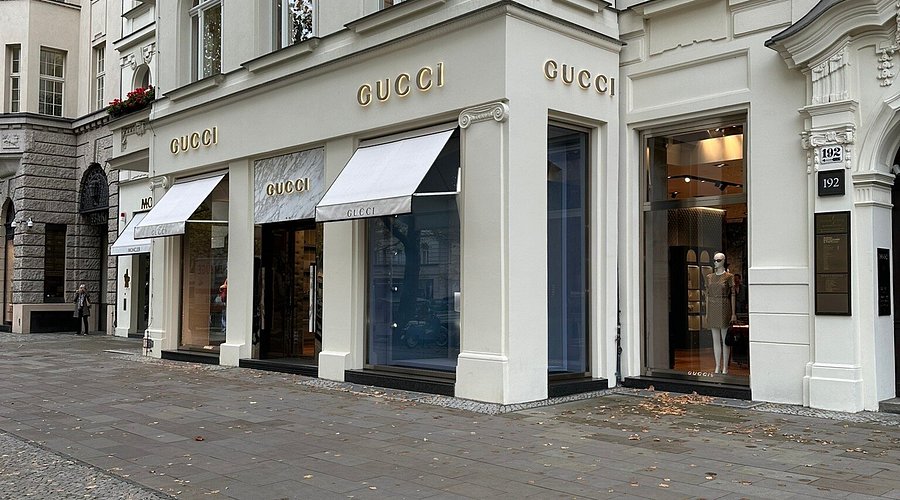
Photo: Bloomberg News
In 2026, luxury markets are entering a new structural phase defined by intentional scarcity. High end fashion houses and premium automobile manufacturers are increasingly limiting production volumes to reinforce exclusivity and maintain brand prestige. This shift is creating what analysts describe as a scarcity driven luxury economy where rarity itself has become the primary value driver.
Luxury brands are no longer focused on scaling output even when demand is strong. Instead, they are deliberately restricting supply to ensure that ownership remains limited to a select group of consumers. This approach is reshaping traditional growth models where higher demand typically led to higher production.
Fashion houses are at the forefront of this movement. Seasonal collections are being reduced in size, with some items released in extremely limited quantities across global markets. The intention is to create sustained desirability rather than mass availability. As a result, waiting lists and private allocation systems have become standard practice.
In the automotive sector, ultra premium manufacturers are applying similar strategies. High performance and luxury vehicle lines are being produced in carefully controlled batches, often with customization options that further reduce identical output. This ensures that each vehicle retains a unique identity within the global market.
This scarcity model is also being reinforced through controlled distribution networks. Brands are increasingly relying on invitation based purchasing systems and long term client relationships rather than open retail availability. Access itself has become a marker of status within luxury ecosystems.
Consumers at the ultra high income level are responding positively to this shift. For many, exclusivity is more valuable than convenience. Ownership of rare items is now closely tied to identity signaling and social positioning within elite circles, making limited availability a key part of the appeal.
Secondary markets are also experiencing significant impact. Resale values for limited luxury goods are increasing as scarcity intensifies at the primary production level. Collectors and investors are treating high end fashion and automotive assets as storehouses of value, similar to alternative investment classes.
Brand strategy teams are carefully balancing scarcity with long term relevance. While reduced production enhances exclusivity, it also requires careful management of brand visibility and cultural presence. Marketing efforts are becoming more focused on storytelling, heritage reinforcement, and controlled exposure rather than mass advertising.
Technology is playing a supporting role in managing scarcity based systems. Digital authentication tools, ownership verification systems, and controlled release platforms are being used to ensure that limited products remain traceable and genuinely exclusive. This reduces counterfeiting risks and reinforces consumer trust.
Despite its success in strengthening brand prestige, the scarcity model has also raised questions about accessibility and market inclusivity. Critics argue that extreme limitation may widen the gap between luxury brands and emerging affluent consumers who aspire to participate in these markets.
However, luxury executives argue that exclusivity is fundamental to the identity of high end goods. Without restriction, they claim, luxury loses its symbolic power. This philosophy is driving long term strategic decisions across both fashion and automotive industries.
Looking ahead, the luxury scarcity economy is expected to deepen further as global wealth concentration increases. Brands are likely to continue refining production control systems, ensuring that rarity remains central to value creation. In this environment, exclusivity is not just a marketing strategy but the defining structure of modern luxury itself.



Subscribe to unlock premium content
Sed at tellus, pharetra lacus, aenean risus non nisl ultricies commodo diam aliquet arcu enim eu leo porttitor habitasse adipiscing porttitor varius ultricies facilisis viverra lacus neque.
A comprehensive guide on Agile development

10 Productivity tools that are worth checking out

Top 7 Must have management tools for productivity

A comprehensive guide on Agile development
10 Productivity tools that are worth checking out
A comprehensive guide on Agile development