

Luxury Watch Market Faces Supply Shock as Independent Swiss Makers Tighten Production Further
By
Sophie Moore
Last updated:
May 28, 2026
First Published:
May 28, 2026


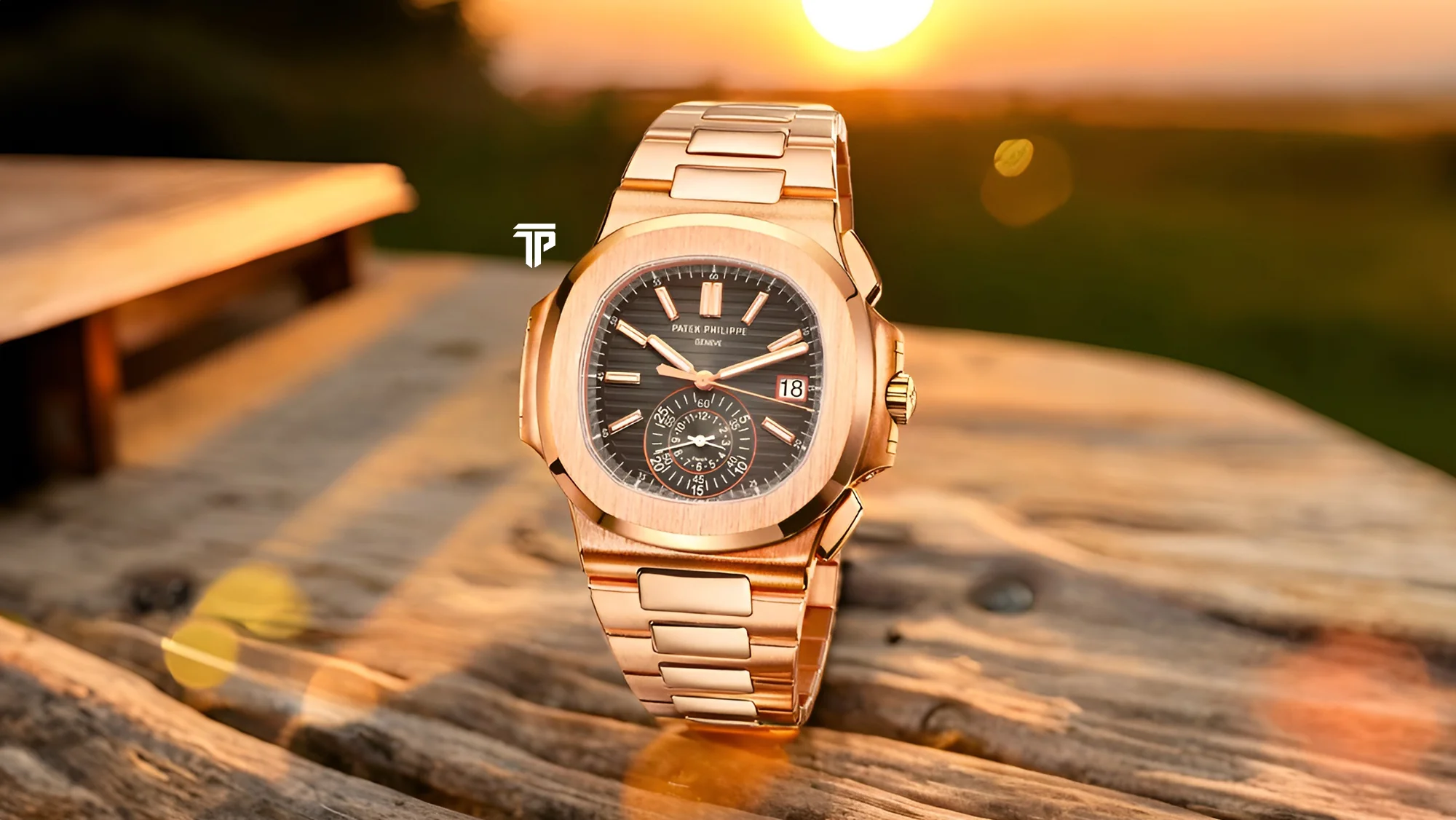
Photo: Bloomberg.com
Production Discipline Reshaping the Watch Industry
Independent Swiss watchmakers are increasingly adopting controlled production strategies that limit annual output even in the face of rising global demand. Unlike mass luxury conglomerates, these makers rely on craftsmanship intensive manufacturing models that cannot be easily scaled. This structural limitation is now becoming a defining force in the luxury watch market.
Why Supply Constraints Are Deepening
The tightening of production is not purely accidental but often a strategic decision. Many independent brands are choosing to preserve exclusivity by keeping output low, ensuring that demand consistently exceeds supply. At the same time, shortages in specialized mechanical components and skilled artisans are further restricting production capacity.
Surge in Collector Demand
High net worth collectors are responding to limited availability by accelerating purchases in both primary and secondary markets. Rare models and limited editions are being absorbed quickly upon release, often leading to immediate aftermarket premiums. This behavior reinforces scarcity dynamics and strengthens brand desirability.
Impact on Pricing Structures
As supply tightens, pricing in both retail and resale environments is becoming more volatile. Certain reference models are experiencing significant appreciation shortly after release, particularly those produced in small batches. The secondary market is increasingly acting as a price discovery mechanism for ultra rare timepieces.
Role of Independent Swiss Makers
Independent watchmakers are gaining increased influence in the luxury ecosystem due to their emphasis on artisanal craftsmanship and mechanical innovation. Unlike larger conglomerates, they operate with greater creative control and often prioritize long term brand prestige over short term volume growth.
Shift in Luxury Consumer Behavior
Luxury consumers are shifting from accessibility driven purchasing to rarity driven acquisition strategies. Ownership of difficult to obtain watches is becoming a status marker that signals access rather than wealth alone. This psychological shift is reinforcing demand for constrained production models.
Secondary Market Expansion
The pre owned and auction based watch markets are expanding rapidly as buyers seek alternatives to scarce retail inventory. Auction houses are reporting increased participation from younger wealthy buyers who are competing for vintage and modern limited editions alike.
Supply Chain Pressure Points
The watch industry is also facing constraints in precision manufacturing components such as escapements springs and specialized alloys. These bottlenecks limit how quickly production can scale even when demand is strong. Skilled watchmakers remain one of the most critical and limited resources in the industry.
Brand Equity Built on Scarcity
For many independent brands scarcity is not a side effect but a core part of their identity. Controlled production reinforces exclusivity and allows brands to maintain strong pricing power over time. This strategy strengthens long term brand equity even at the cost of immediate sales volume.
Long Term Outlook for Luxury Horology
The continued imbalance between demand and supply suggests that scarcity will remain a central feature of the luxury watch market. Independent Swiss makers are likely to maintain disciplined output levels, ensuring that exclusivity remains a defining characteristic of high end horology for years to come.


Subscribe to unlock premium content
Sed at tellus, pharetra lacus, aenean risus non nisl ultricies commodo diam aliquet arcu enim eu leo porttitor habitasse adipiscing porttitor varius ultricies facilisis viverra lacus neque.
A comprehensive guide on Agile development

10 Productivity tools that are worth checking out

Top 7 Must have management tools for productivity

A comprehensive guide on Agile development
10 Productivity tools that are worth checking out
A comprehensive guide on Agile development